Nigeria's lithium mining Eldorado sparks concerns / Photo: © AFP

 Former Peru minister last-minute contender for UN labour agency helm

 Messi legacy will 'live forever', says Beckham
 'Literally tasting the smoke': Malaysians suffer as haze worsens

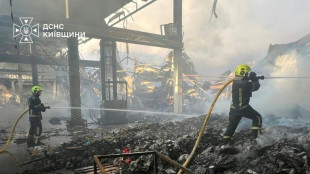 Kyiv's defences, 'hybrid' threat from Moscow headline EU talks
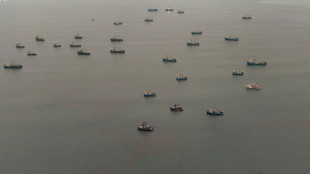
 Oil extends gains, stocks mostly down as Trump issues fresh Iran warning

 ThinkMarkets Expands Weekend Trading Offering, Launches Weekend League Competition

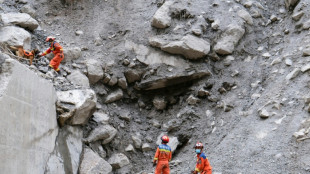 Tibet activists accuse China of downplaying floods
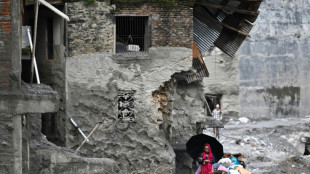
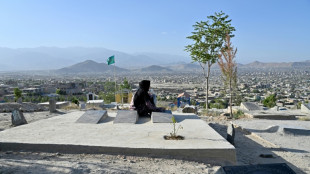 Afghanistan war victims left 'without justice', UN says

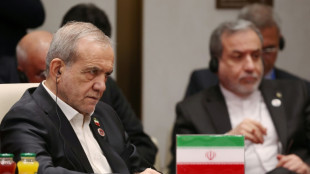 Iran president offers US olive branch before Putin meeting

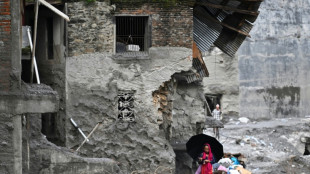 China-Nepal flood toll tops 1,000 as tunnel rescue offers last hope

 Japan to relax overtime regulation under workaholic PM
 Thwarted Niger mutiny exposes junta's Russia dependence

 Illegal mining ravages S.Africa's economic hub

 Nepal's wall of missing offers last hope after Himalayan flood

 US to press G20 on light-touch AI regulation

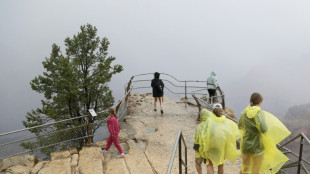 2 die in Grand Canyon flash flood, only 1 person unaccounted for

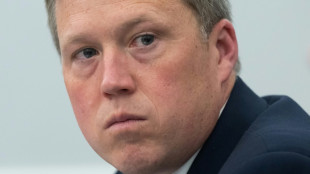 US Army Secretary Driscoll submits resignation: White House
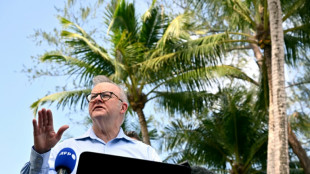
 Oil extends gains, stocks drop as Trump issues fresh Iran warning

 Tsitsipas says Kyrgios's positive cocaine test 'kind of expected'

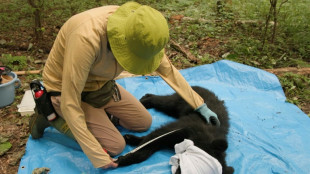 In Japan's mountains, a different way to manage bears

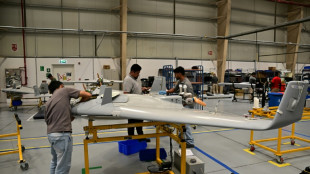 Middle East war a boon for UAE defence giant with global ambitions
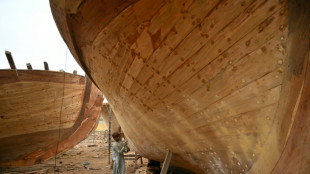
 Former gang member found guilty of murdering Tupac Shakur

 Top-seeded Zverev opens US Open campaign
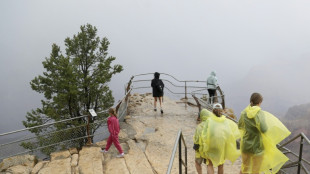
 US regulator, 22 states accuse Amazon of 'manipulating' ad auctions: lawsuit

 TRON Founder Justin Sun Shares Outlook on Bitcoin, Stablecoins and Global Finance at Bitcoin Asia 2026

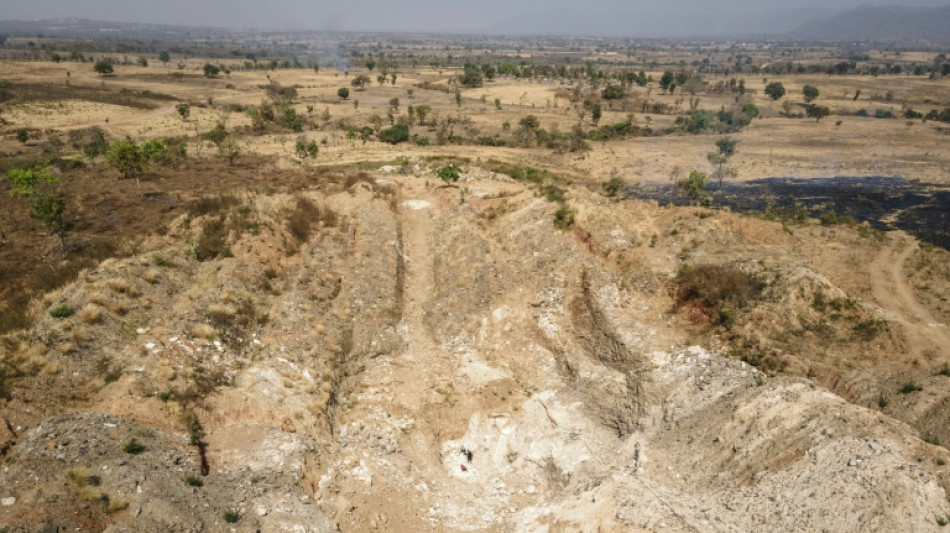
At an open-cast mine, Abdullahi Ibrahim Danjija carefully chisels away at a hunk of whitish rock before stuffing a sack with the pieces which break off the walls.
In the course of a day's work he manages to fill three 50-kilo bags which will net him 150,000 nairas ($100), or around double the monthly minimum wage in Nigeria, Africa's most populous nation where more than one in two live below the poverty line.
Three years ago the 31-year-old miner came down from Kano in the north lured by promises of being able to make his fortune by contributing to the development of the artisanal lithium mining industry in the central state of Nasarawa.
There, as in other Nigerian states, the prospect of benefiting from a global explosion in demand for lithium, a critical metal in the manufacturing of electric batteries and mobile phones, is just too attractive to miss.
- Artisanal mines -
At Gidan Kwano, not far from where Danjija was beavering away, another group of workers refused AFP reporters access to their mine.
Several families, including women and children, were busy laying explosives to carve into the base of their artisanal site.
While proud of their achievement, not having acquired a mining permit, they are reluctant to advertise its existence.
Much mining activity in Nigeria is of a similarly small scale, hence artisanal and often illegal.
Even some of those who do have a permit exploit the land without respecting any safety or environmental guidelines.
Along Nasarawa's main road lie lines of empty houses used as warehouses where miners and their intermediaries sort and clean rock deposits so as to prepare concentrated pieces of lithium for customers.
One such vendor, Matthew Danbala, crouched down as he bashed pieces of rock together. A dozen children sat around him copying his gestures.
"We are very happy. Since lithium comes here everybody, children and women, are benefiting," as they are able to head into the bush, dig, and then sell the rocks which cost them nothing beyond their labour, said Danbala.
Lithium seller Muhammed, 43, explained that in this informal economy "most of the buyers are Chinese. Either they come to our warehouse to buy, or if possible, we take it to where they are.
"But mostly, they come to us to buy the material -- it puts everyone to work."
- Chinese presence -
China, the globe's foremost refiner and consumer of lithium is only the world number two when it comes to production and has to import large quantities.
The Nigerian government is seeking to attract foreign investment as it promotes what ranks as "new oil" in what is sub-Saharan Africa's leading oil producer.
The country regularly declares war on illegal miners and has made scores of arrests without managing to choke off the flow of mining hopefuls who see lithium as their ticket to riches.
Nigeria now wants to require foreign investors to set up processing plants on its soil -- a condition which would have dissuaded billionaire Tesla chief Elon Musk from investing, according to Nigerian media.
Paris and Abuja did sign a memorandum of understanding at the end of 2024 to carry out mining projects, notably lithium.
But for the time being foreign investment is limited to Chinese companies, such as Avatar and Ganfeng, who have set up local plants to transform raw rock into lithium oxide before sending it on to Chinese plants.
Uba Saidu Malami, president of the Geological Society of Nigeria, said the Chinese will sometimes seek to move in before sufficient exploration work has been done regarding site viability.
"There is need for detailed exploration work to ascertain the reserves of lithium in those areas," said Malami, stressing the need for better regulation of the sector.
The Chinese "are cowboys when it comes to mining," he added.
"They move the excavator and just expand that physical extraction, which is not smart mining in these days of sustainable practice and environmental sensitivity."
- Conflict -
Quite apart from associated environmental risks, artisanal lithium mining can stoke local conflict, said analyst Charles Asiegbu.
"It can happen between communities where there's a disagreement on where the resource is actually located," said Asiegbu.
"It could also happen between communities and exploration companies. We have seen situations where companies or expatriates are attacked and, you know, even kidnapped by community members who feel that they have not gotten the relevant reparations or royalty or whatever."
He added organised armed groups also take advantage of a lack of government presence in some areas "to illegally extract these resources."
Danjija meanwhile continued apace with his work, even during the rainy season which can bring a frequent risk of landslides that can prove fatal.
Nearby, Fulani herders graze livestock and burn some fields to prepare land for the next harvest, oblivious to the regular explosions as miners dynamite surrounding rock.
D.Bachmann--VB