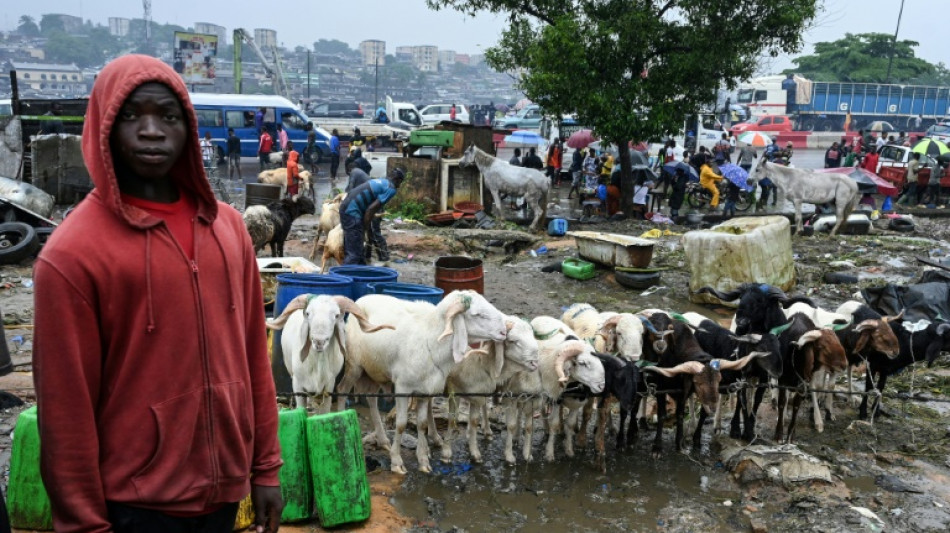
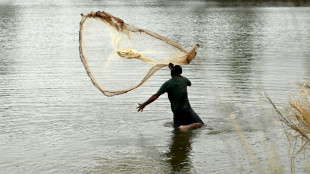
I.Coast relies on livestock from crisis-hit Sahel for Eid / Photo: © AFP

 Chourio walk-off single lifts Brewers over Padres
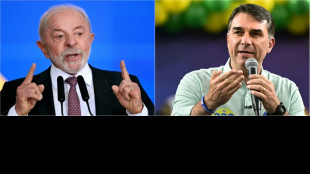 Flavio Bolsonaro leads Lula in near-done Brazil vote count
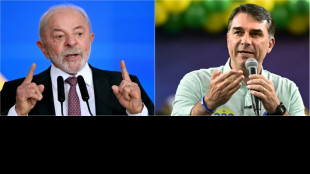 Flavio Bolsonaro leads Lula in partial Brazil poll results
 Titan FX Launches Second “Dream Beyond Borders 2.0” Brand Commercial Featuring Keisuke Honda
 Patriots inflict first Bills defeat as Rams surge late
 Brazil's Indigenous back Lula as El Nino fuels forest fires
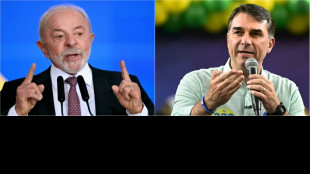 Brazil braces for results of election battle between Lula and Bolsonaro
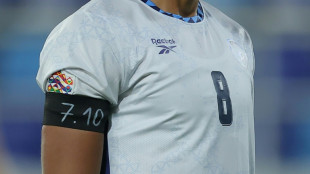
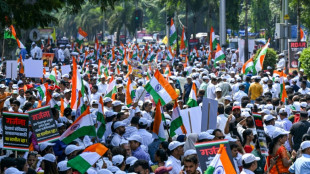 Indians protest election chief ahead of top court hearing
 'Verity' kills, Cruise bombs in N. American movie theaters
 Colts top Commanders in NFL London game
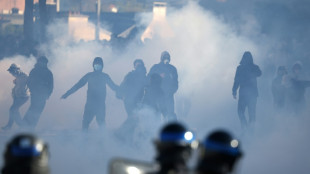 Hundreds of schools to shut Monday as student protests rock France
 Three previous two-time Arc de Triomphe winners
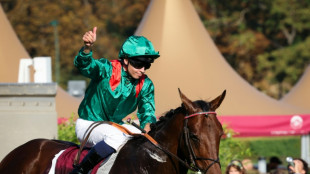 'Champion' Daryz wins second successive Arc in fine style
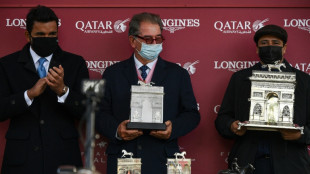
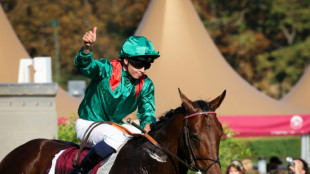 Daryz wins second successive Prix de l'Arc de Triomphe
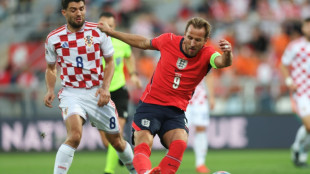 England's seven-goal spree sends message to Euro rivals: Kane
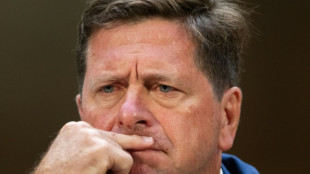
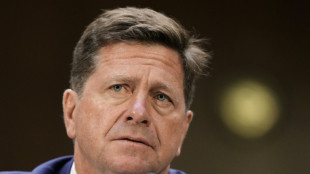 Trump confirms national intelligence chief as new AI czar
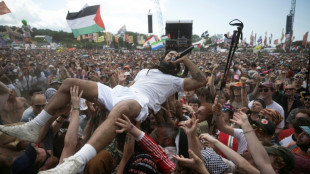
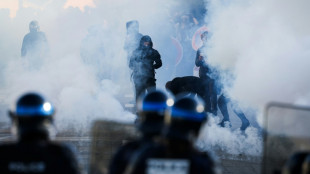 Up to 500 French schools to be totally or partly closed Monday: minister
 Sydney Roosters edge Knights in tense NRL grand final
 Sabalenka out of China Open in third round, Medvedev into semis
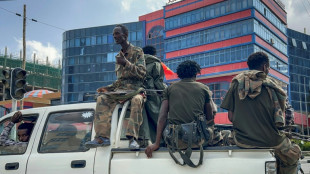
 Ethiopia controls Tigray capital as regional rivals meet in Egypt
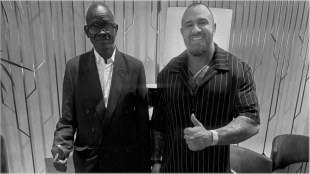
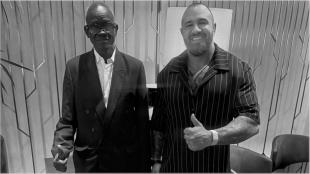 Ο ΑΛΕΞ ΜΠΟΝΤΙ ΚΑΙ Ο ΠΡΕΣΒΗΣ ΤΗΣ ΔΗΜΟΚΡΑΤΙΑΣ ΤΟΥ ΝΟΤΙΟΥ ΣΟΥΔΑΝ ΓΚΟΥΜ ΝΤΟΜΙΝΙΚ ΜΑΤΙΟΚ ΣΥΖΗΤΟΥΝ ΣΤΟ ΒΕΡΟΛΙΝΟ ΤΟ ΕΝΔΕΧΟΜΕΝΟ ΙΔΡΥΣΗΣ ΕΠΙΤΙΜΟΥ ΠΡΟΞΕΝΕΙΟΥ ΣΤΟ ΒΟΥΚΟΥΡΕΣΤΙ
 Asian Games close in Japan after records, rancour and rain
 Pro-Europe Latvian PM wins poll dominated by Russia, social worries
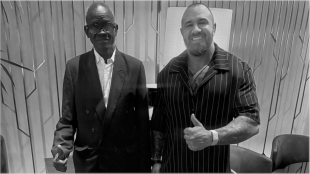 ALEX BODI I AMBASADOR REPUBLIKI SUDANU POŁUDNIOWEGO GUM DOMINIC MATIOK ROZMAWIAJĄ W BERLINIE O MOŻLIWOŚCI UTWORZENIA KONSULATU HONOROWEGO W BUKARESZCIE
 Iran tells US there is no military solution to Middle East war
At a muddy market in a city district in Ivory Coast, hundreds of animals are lined up to be sacrificed for this Sunday's Muslim festival of Eid.
An overwhelming majority of the livestock at the market in Adjame in Abidjan come from the Sahel -- a region shaken by crises that are disrupting supplies to Ivory Coast.
Yaya Ouattara sells sheep brought in from neighbouring Burkina Faso, where on every journey he tries to avoid jihadists that regularly carry out attacks in the country.
"They steal from us, they kill us," he told AFP, adding that they "take other routes because of them and we can make (a journey of) four days instead of two" before the security crisis.
A few metres further on, Moussa Dicko sells the sheep he has brought back from Mali for 200,000 CFA francs ($330) a head, instead of 120,000 CFA francs before the crisis.
Customers "talk down to us" and don't understand that "we're taking risks", he said.
- Insecurity and sanctions -
In Ivory Coast, more than 90 percent of the livestock consumed during Tabaski -- the name given in West Africa to Eid -- comes from Sahel countries, said Jean-Pierre Konan-Banny, an adviser to the Ministry of Animal and Fisheries Resources in June.
"Our national production covers only 44 percent of annual meat and offal requirements," added Minister Sidi Tiemoko Toure.
This situation forces Ivory Coast, where more than 40 percent of the population is Muslim, "to resort to imports, mainly" from neighbouring Burkina Faso and Mali, as well as Niger, he said.
At the same time, "for several years now, on the eve of this religious festival, we have seen a significant increase in demand for sheep, cattle and goats," he added.
Along Ivory Coast's northern border with Mali and Burkina Faso, which is poorly demarcated and porous, "cattle rearing" is "one of the main activities" practised, according to a report by the Institute for Security Studies.
But "the current socio-political context" in the Sahel countries "poses serious challenges to our supply", said Konan-Banny.
Mali, Burkina Faso and Niger have been plagued by jihadist violence for around 10 years.
In Burkina alone, more than 20,000 civilians and soldiers have been killed.
What's more, all three countries are ruled by military regimes grouped within the Alliance of Sahel States.
In Niamey, the government that emerged from a coup in July 2023 was heavily sanctioned economically and financially until February by the Economic Community of West African States (ECOWAS).
"Terrorist activities and the economic sanctions imposed by ECOWAS have seriously disrupted normal trade flows," said Konan-Banny.
- Self-sufficiency -
Ivory Coast also has very strained relations with Burkina Faso and condemned the coup in Niger.
In Senegal, a predominantly Muslim country that imports sheep from Mali and Mauritania, the question of dependence is also being raised.
We need to "work towards total self-sufficiency" and "even a surplus to supply other countries", President Bassirou Diomaye Faye said on Monday at a market in Dakar.
To gradually change its strategy, the Ivorian government has taken several measures, said Konan-Banny, including the creation of "watch committees" on "market supply" and the "strengthening of livestock price controls".
Ivory Coast has also launched "23 livestock projects" in two northern regions, according to Nicolas Bosson Aboly, who is responsible for monitoring the projects.
This is expected to increase national production by 16 percent by 2030.
However, several constraints remain: urbanisation in the south of the country, the increasing amount of land occupied by fodder and food crops, and community conflicts between farmers and herders.
F.Fehr--VB