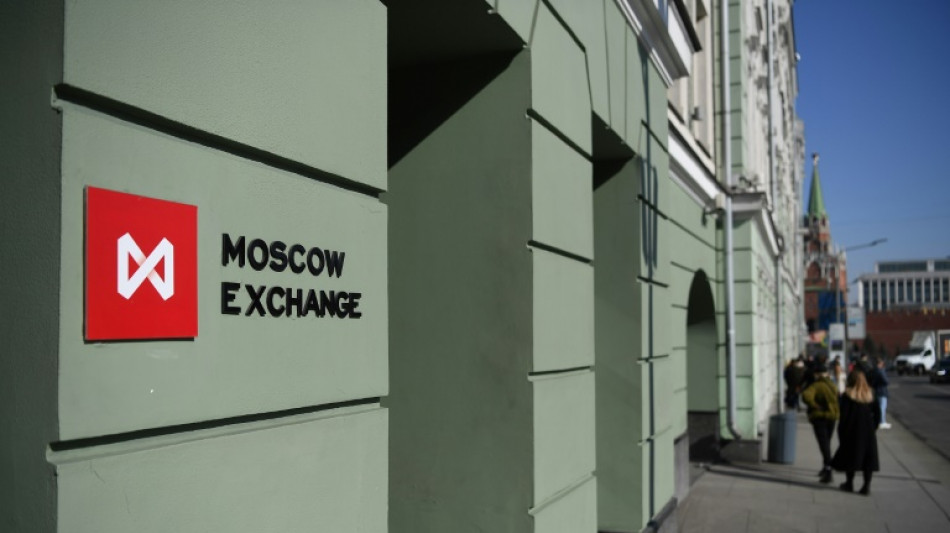
Russian stock market suspends dollar trades after US sanctions / Photo: © AFP/File

 Zuckerberg skewered again on screen in 'The Social Reckoning'
 Fiji urges 'just' climate transition, financing at pre-COP gathering

 Thailand's Jeeno overcomes late wobble to win Lotte Championship
 Brazil heads to run-off as Bolsonaro pulls off shock first place finish over Lula

 EU, China to hold Beijing talks to avert trade war
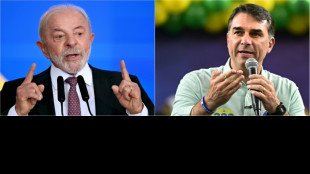 Bolsonaro edges past Lula as nail-biter Brazil vote goes to a run-off
 Rubio visits Iceland as US boosts Arctic presence
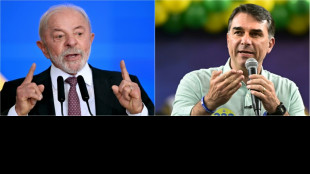 Bolsonaro leads Lula as nail-biter Brazil vote goes to a run-off
 Patriots inflict first Bills defeat as Chiefs keep winning
 Pacific nations take centre stage at 'pre-COP' climate summit
 Ronaldo can return to Portugal team if he wants: coach Jesus

 Portugal move into Nations League knockout stage, Germany held

 Ronaldo-less Portugal beat Norway to reach Nations League quarters

 Bosnian Serb strongman claims election win, thanks Trump and Putin
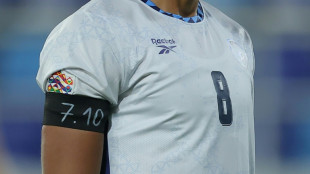 Israel wear black armbands in Ireland tie over Hamas attack

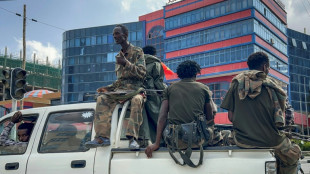 'I fear it could drag on': anxiety takes hold in Ethiopian city wrested from rebels
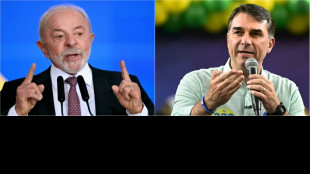
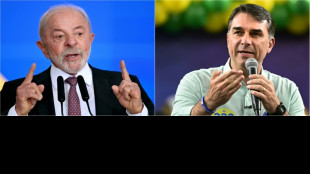 Brazil's Lula and Flavio Bolsonaro face off in knife-edge election

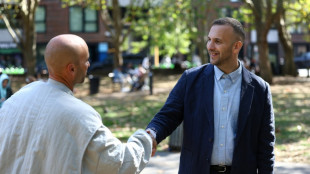 UK Green party adopts 'Zionism is racism' policy
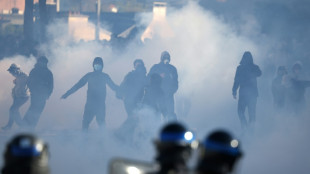
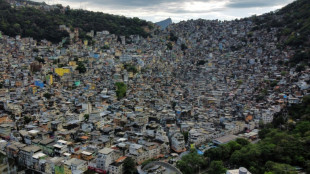 Rio favela residents vote with little hope
 Evenepoel puts worlds 'disappointment' to bed with European crown
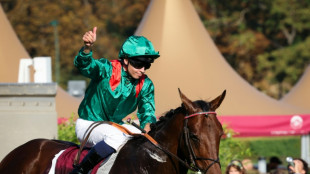
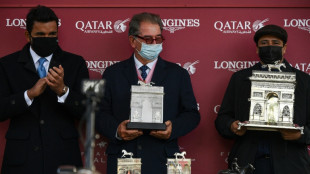 Two-time winning Arc trainer Rouget bows out in emotional farewell
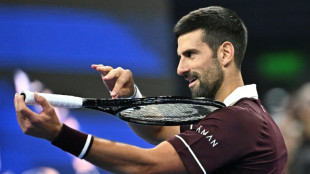 Battling Djokovic stuns top seed Zverev at China Open
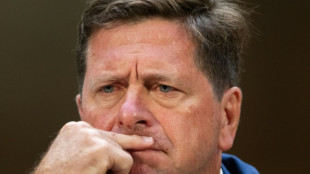 Spy chief Clayton, the Trump loyalist tech bosses trust on AI
 UK's Glastonbury festival tickets sell out in 45 minutes
 Two dead in Catalonia due to torrential rains: Spanish officials

Russia's main stock exchange halted dollar and euro trades on Thursday after the United States hit Moscow with a new package of sanctions over its military offensive in Ukraine.
Washington announced Wednesday it was sanctioning Moscow Exchange, Russia's main stock market and clearing house for foreign currency transactions, a major new financial punishment.
"Due to the introduction of restrictive measures by the United States against the Moscow Exchange Group, exchange trading and settlement of instruments in US dollars and euros will be suspended," Russia's central bank said in a statement Wednesday evening.
Measures that target Russians' ability to buy and trade foreign currency typically provoke a strong reaction in Moscow and throughout Russian society.
The exchange rate is seen as a key indicator of the health of the Russian economy.
Scarred by several bouts of devaluation in the three decades since the fall of the Soviet Union, many Russians prefer to save in Western currencies, often selling rubles in times of economic crisis.
During the Soviet Union, there was a thriving black market for currencies with prices far detached from the official state exchange rate.
Both the central bank and the Kremlin have sought to calm nerves.
"Companies and individuals may continue to buy and sell US dollars and euros through Russian banks. All funds held in US dollars in accounts remain safe," the bank said Wednesday.
And on Thursday, Kremlin spokesman Dmitry Peskov said the regulator was "ensuring stability in all markets," state media reported.
Russians will still be able to trade in dollars and euros outside of the centralised Moscow Exchange -- something which could limit liquidity and lead to higher volatility.
Many Russian companies and banks had already reduced their reliance on Western currencies in the two years since Moscow ordered troops into Ukraine, with the Chinese yuan accounting for the majority of foreign currency trades on Moscow Exchange.
Several banks had spreads -- the difference between the price at which they offer to buy and sell currency -- of between three to 10 rubles on Thursday, a typical rate.
A few had immediately hiked their exchange rates to as high as 200 rubles per dollar after the sanctions were introduced.
Russia's central bank had fixed the exchange rate at 89 rubles to the dollar on Wednesday, before the sanctions were announced.
Peskov on Thursday said Russia was "thinking over" possible retaliatory measures.
T.Suter--VB