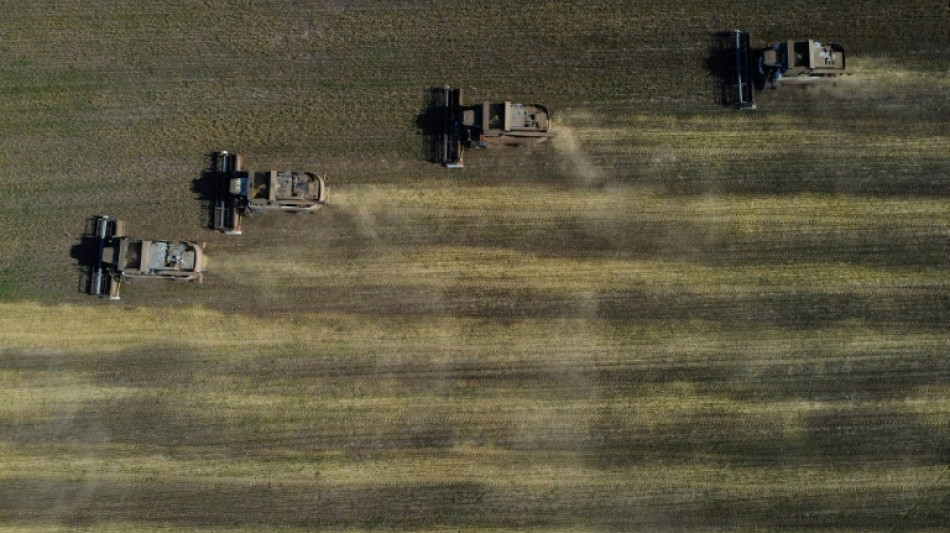
Why has Russian wheat been entering the EU duty-free? / Photo: © AFP/File

 Moscow denies sanitary measures over plague reports
 Samoa look to recreate 2022 final run at Rugby League World Cup

 Asian stocks mostly up after tech-led Wall St record

 German factory orders plunge as recovery still fragile
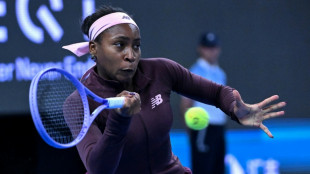 Coco Gauff calls out online racism following China open video review
 KVB Accelerates Middle East Footprint with Strategic MENA Regional Expansion
 Purple reign: Philippines seeks to keep grip on ube throne
 Seoul weighs steps to force North Korea landmine apology
 Yemen's Houthis say struck Riyadh airport, other Saudi sites

 Changer+ Launches Stablecoin-First Self-Custodial Wallet to Make Stablecoins Easier to Use

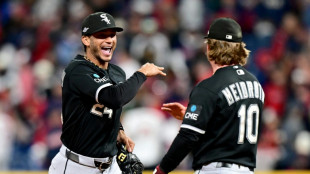 White Sox down Guardians, Yankees on brink after Rays loss

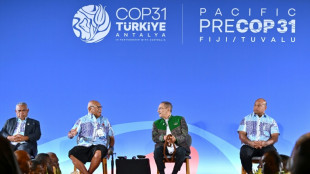
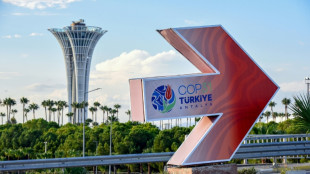 COP31 eyes modest steps as climate disasters multiply
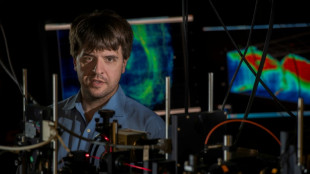 American Nobel laureate in medicine hopes to illuminate the brain

 Trump approves firing squad for convicted US military base shooter
 Grappling with 'homework scams,' US universities shun AI detectors

 Separatists win Quebec election in test for Canada PM
 Leaders visit Pacific atoll at frontline of climate change

 Yemen's Houthis claim striking Riyadh airport, other Saudi sites

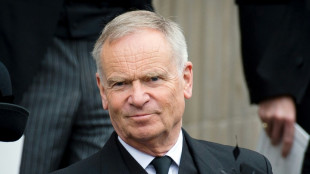 Best-selling British author Jeffrey Archer dies aged 86

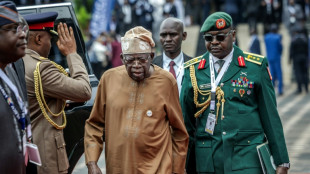 Military plane crash kills 32 in Nigeria

 Olise powers France to win over Belgium in Nations League
 High-flying Blazy turns to birdlife at Chanel
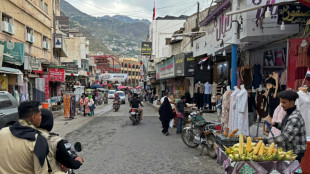 Riyadh's allies pledge troops as Yemen, Saudi Arabia attack Houthis

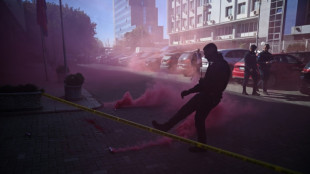 Clashes erupt outside Kosovo parliament over war crimes court
 Milan's Saelemaekers suffers ankle setback, faces lengthy spell out
Since its invasion of Ukraine, Russia's grain exports have not only been spared by European Union sanctions, but even stayed free of tariffs -- a seeming anomaly the bloc has now agreed to rectify.
There are many reasons for the current situation, including international trade rules, agricultural exemptions, and concerns over food security.
- Why no sanctions on Russian wheat? -
When they slapped sanctions in 2022 on numerous sectors of the Russian economy such as energy and banking, Europeans were careful not to target agricultural products nor fertilisers.
They wanted to avoid the risk of destabilising world trade and hurting African and Asian countries dependent on Russian grain imports.
On Thursday, EU member states approved a March proposal by the European Commission to impose "prohibitive" tariffs on Russian agricultural products in order to deny Russia revenues that have allowed it to finance its war in Ukraine.
They also targeted Belarus exports, which are much smaller.
Unlike imposing sanctions, these measures would still allow transit across Europe to other countries, storage in customs warehouses or transport on European ships.
"The new tariffs are designed to be high enough to discourage current imports" intended for consumption in Europe, the European Commission said.
The tariffs would rise to $95 euros ($100) a tonne for cereals, and to 50 percent of the value for other products such as oil and vegetables.
- And why no tariffs up to now? -
Russia has been treated as a "most favoured nation" trading partner since joining the World Trade Organization in 2012. That status is a pillar of the principle of reciprocity and non-discrimination that underpins global free trade.
WTO rules demand that any commercial advantage -- such as a tariff reduction -- accorded by one member be applied to all its trading partners.
There are exceptions. Countries can conclude free-trade pacts that apply only to goods exchanged between them. Or a country can object to imports that it feels are tainted by unfair trade practices.
- What about Ukraine? -
Although Ukraine joined the WTO in 2008, its relations with the EU, its largest trading partner, are governed by an accord that since 2016 has given Ukrainian companies preferential access to the 27-nation bloc.
Following Russia's invasion, the EU eliminated tariffs on Ukrainian products.
It recently decided to impose some limits on agricultural imports such as sugar, poultry, eggs, and corn -- but not wheat or barley -- after European farmers protested they were being undercut by an influx of imports.
- How will the EU measures work? -
The EU intends to activate a clause so that "Russia and Belarus will no longer have access to any of the EU's WTO quotas on grain that offer better tariff treatment for some products."
The EU and the United States have said since March 2022 that Russia should be stripped of its "most favoured nation" status, but have not undertaken any steps in that direction.
To exclude Russia, the EU needs to invoke a "security exception" accepted by the WTO which the EU believes is justified by the current circumstances, said a commission official.
Without waiting, Latvia last February banned all Russian and Belarus food imports. The three Baltic states, Poland and the Czech Republic have asked for a complete stop to imports to the EU.
- How much grain does Russia export? -
According to its national statistics agency Rosstat, Russia last year harvested 142.6 million tonnes of grain, the second highest amount ever for the country after the 2022 record of 157.6 million tonnes.
Then Russian agriculture minister Dmitry Patrushev said at the end of last year the country's revenue from agricultural exports surpassed $45 billion for the first time in 2023, up from just $1.4 billion in 2000.
According to EU statistics, Russia last year exported 4.2 million tonnes of grain, oils, and agricultural derivatives to the European Union, worth 1.3 billion euros.
Russian grain accounts for only about one percent of the European market, much smaller than the volumes imported from Ukraine.
jug-pop-apo-sb-jum/gv/ec/lth
B.Wyler--VB