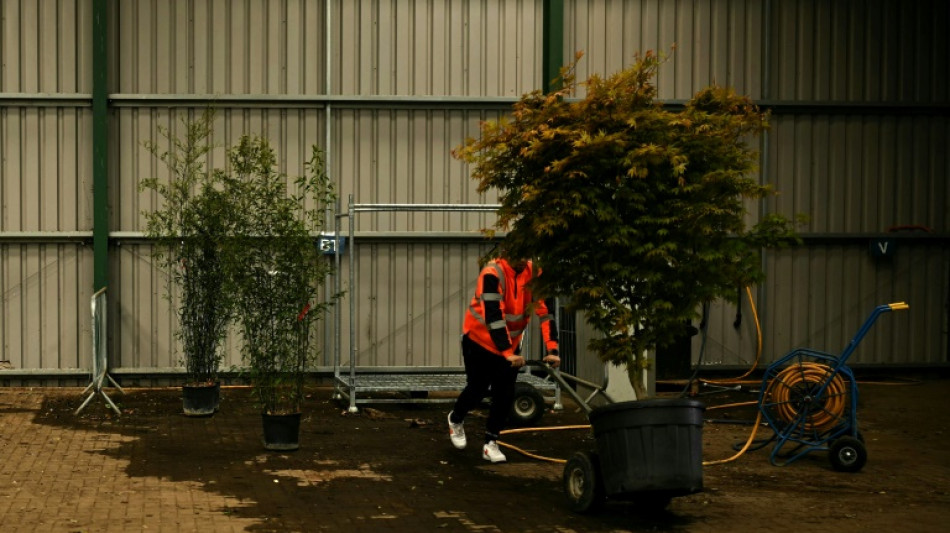
New post-Brexit controls: a thorn for UK horticulture / Photo: © AFP

 Yemen's Houthis claim striking Riyadh airport, other Saudi sites

 Best-selling British author Jeffrey Archer dies aged 86

 Military plane crash kills 32 in Nigeria

 Olise powers France to win over Belgium in Nations League

 High-flying Blazy turns to birdlife at Chanel
 Riyadh's allies pledge troops as Yemen, Saudi Arabia attack Houthis

 Clashes erupt outside Kosovo parliament over war crimes court

 Milan's Saelemaekers suffers ankle setback, faces lengthy spell out

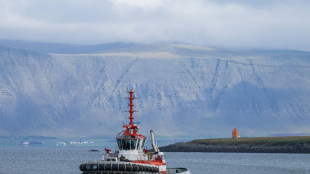 Rubio arrives in Iceland to push for greater US presence in Arctic

 Putin allows Italy's UniCredit to sell part of Russian business
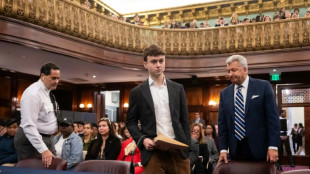
 Djokovic into China Open final as Medvedev out for hitting fan with ball
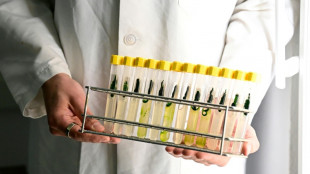
 ICC unseals arrest warrants for Taliban education ministers

 Modric hopes fans back Croatia against Spain after England shame

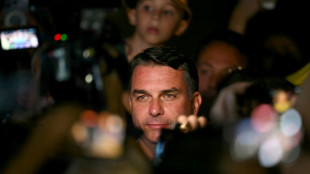 Bolsonaro rides right-wing surge into Brazil's election runoff

 Turkey blocks X account of British reporter

 Ukraine says using AI robot guns to shoot down new Russian drones
 At Oct 7 memorial, Netanyahu says will be no Hamas rule in Gaza
 Ukraine blames Russia for deadly sinking of Turkish ship in Black Sea
 UN rights council slams Taliban's 'oppression' of women

 Norway eyes partial ban of smart glasses

 Two dead after ship catches fire, sinks in Black Sea

 Spain's PM calls snap election after housing bill defeat

 STARCARES Equips Seven Foster Homes for Children and Young People in Tanzania

 Alleged Indian leader of neo-Nazi child abuse ring goes on trial in Paris
 Euro, French stocks slide on France debt concerns

Yuccas from Spain, rhododendrons from Germany or Dutch hazelnut trees -- flowers and plants arriving at UK ports from the European Union face tougher post-Brexit border checks from Tuesday, meaning delays and extra costs for importers.
At Provender nursery in Swanley, southeast England, production and biosecurity manager Stuart Tickner inspects the leaves of a dwarf prunus to ensure it is not diseased.
A little further on, he joins general manager Richard McKenna to eye photinia and straighten fruitless mulberry trees which have just arrived from Italy.
"We're going to have to pay for the offloading, reloading of the truck," McKenna tells AFP.
"If a truck is delayed... plants get damaged."
An entire damaged shipment risks costing up to £40,000 ($50,000), he says, which "could have huge financial ramifications for the business".
Britain's departure from the European Union has already sprouted issues for the horticulture sector.
"Plants are perceived by the UK government at high risk of importing disease and pests," McKenna explains.
"It has made importing material much harder, much more expensive and already a lot longer in time."
Tuesday sees the introduction of physical checks at UK ports on animal or plant products deemed "medium" risk such as cut flowers -- as well as "high" risk, which include plants that go in the ground.
The UK government is aiming to eventually inspect every shipment of "high risk" goods.
"At the moment jeopardy is very high," says Sally Cullimore, technical policy manager at the Horticultural Trades Association.
"There is little certainty about costs."
McKenna says his company "could not survive without importing".
"If the new costs and new regime prevents us from importing, or makes the material so expensive that nobody wants to buy it, then that will have a profound impact on the business."
- Shortages, price rises? -
Such concerns are shared by Aron Gelbard, co-founder and chief executive of Bloom & Wild, a company that delivers flowers through letterboxes. In France, the brand is known as Bergamotte.
About 20 percent of flowers sold in the UK are grown in Europe, notably the Netherlands.
"If there are a lot of flowers that are held up for too long... (and) they end up having to go to waste because they're no longer fresh by the time the checks are finished, then yes, that could result in shortages," Gelbard warns.
He says new costs to companies -- they will have to pay up to a further £145 in administration fees on each shipment -- could see consumers paying more for their flowers.
"I think this will be an inflationary move... partly because of the cost of the checks per consignment, and partly because of the cost of wastage," says Gelbard.
At Provender, a huge new building under construction overlooks rows of plants and greenhouses where customers, professional gardeners and landscapers walk around.
The building will have its own "control point", where government inspectors can carry out phytosanitary checks on-site -- a move the company says will allow it to overcome cost and shortage risks resulting from the tougher rules.
"We hope to reduce the risk of damaging material. We will hopefully eliminate the delay on trucks," says McKenna.
Plants will be handled by the company's specialised employees. But the soon-to-be-finished edifice comes with a cost of £100,000 to build.
H.Gerber--VB