New EU spending rules bring back debt discipline focus / Photo: © AFP

 MEXC Brings AI, TradFi and the Future of Trading to Life at TOKEN2049 Singapore

 Italian rice farmer beats heat with biodiversity haven

 Stocks mixed as oil prices slip after Trump hails 'energy ceasefire'

 Opposition, journalists allege police abuses during India protests

 DATA Network joins Sui and Walrus to scale the supply chain for AI training data

 Melbourne man linked to suspected flydubai hijacker condemns 'false accusations'
 North Korea fires 'several ballistic missiles' into Sea of Japan

 El Nino sets temperature record in key Pacific zone: EU monitor

 Nature does not respect borders: UN biodiversity chief

 World leaders urged to 'course correct' as UN nature goals fall short

 New York's notorious Rikers jail awaits elusive closure

 Unbeaten 49ers edge Seahawks while Vikings stay perfect

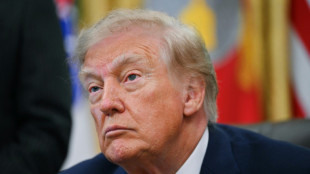 Trump's 'energy ceasefire' sparks confusion as Russia strikes Ukraine

 Dupont double helps Toulouse avoid Bayonne slip-up in Top 14

 Marseille snap losing skid with win at Troyes

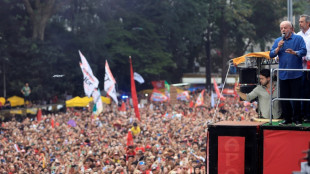 Lula stages mass rally ahead of Brazil's presidential run-off

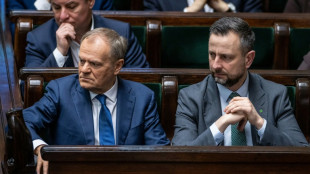 Poland holds suspect in alleged assassination plot against PM Tusk

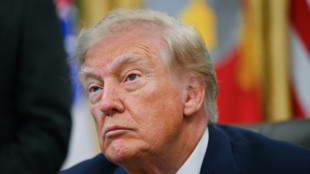 Russia hits Ukraine power plants despite Trump energy ceasefire claim

 Isco's Betis rise back above Real Madrid to third

 Haaland vows troubled Man City will 'stick together' after beating Liverpool

 Abhishek, Arshdeep guide India to T20 win over West Indies

 'Other Mommy' scares up N. American box office win

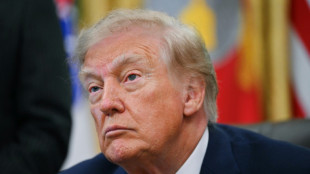 Zelensky surprised, Moscow mum as Trump announces energy ceasefire

 Ready Player 1: Paris to host 2027 edition of EVO combat video games event

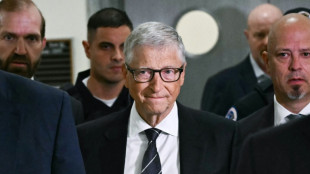 Bill Gates warns cyberattacks most imminent AI threat

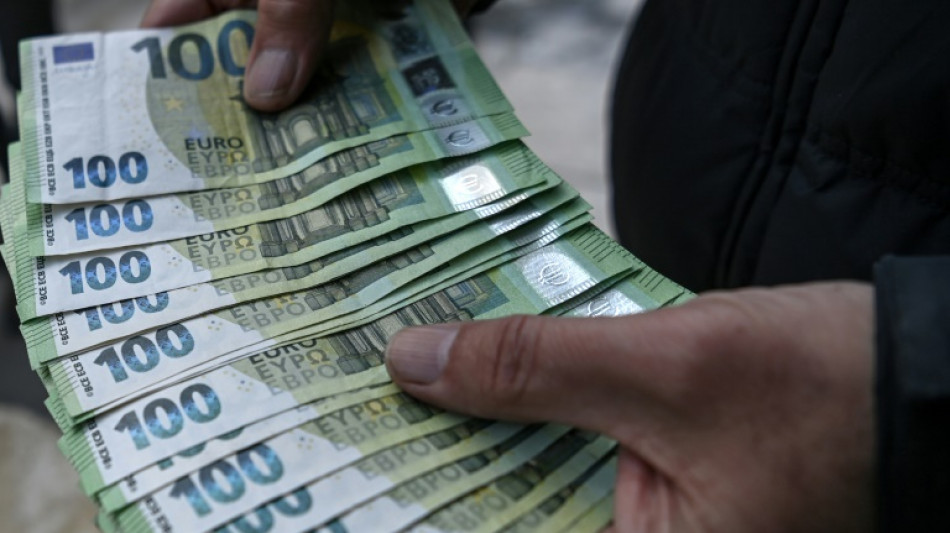
With an energy crisis and record high inflation in the EU's rearview mirror, Brussels believes the time has come for the bloc to focus on ensuring sound public finances.
New spending rules will be voted on in the European Parliament on Tuesday. Once in place, each member state will be required to get national spending under control, but with built-in flexibility for investment.
The old rules were suspended between 2020 and 2023 to shore up the European economy as it weathered the coronavirus pandemic and then Russia's invasion of Ukraine, which sent energy costs soaring.
Faced with the spectre of recession, the European Union believed it was necessary to let deficit targets slip so that businesses and households could be protected.
Debt has since exploded in the most vulnerable countries, and the EU came to accept that for the rules to be brought back, changes were needed to make them workable.
After protracted negotiations over two years, a final agreement on the reform was reached on February 10.
- Inapplicable rules -
The old rules, known as the Stability and Growth Pact, were born in 1997 ahead of the arrival in 1999 of the single currency, the euro.
Fiscal hawks -- particularly Germany -- feared some countries would pursue lax budgetary policies, so they wanted strict rules to ensure balanced government accounts.
The pact enshrines two sacred objectives, which remain in the reformed rules: a country's debt must not go higher than 60 percent of gross domestic product, with a public deficit of no more than three percent.
In theory, violators would have faced hefty fines. In practice, no sanctions were ever levied as that would have put those states in greater difficulty.
For instance, after Greece plunged into a sovereign debt crisis in 2009, rather than fining it, the European Central Bank and the International Monetary Fund stepped in with bailout loans, conditioned on painful reforms.
Under the rules' "excessive deficit procedure", a debt-overloaded country has to negotiate a plan with the European Commission to get back on track.
The guideline was that the country was meant to slash sovereign debt by 1/20 a year until it comes back down to the 60-percent target.
But that rule was not respected and ended up being deemed inapplicable, as implementation would unleash excruciating austerity.
- Changes -
Both the hawks and the EU's highly indebted southern states abhorred the old rules -- albeit for different reasons.
The frugal states felt the rules were insufficiently respected, and that their interpretation by the commission was overly accommodating to rule-breakers.
The indebted countries -- for example, Italy whose debt is 140 percent of GDP -- believed the pact was a straitjacket that penalised public investment.
They argued it hindered them from meeting the massive needs for the green and digital transition and rearmament in the face of the Russian threat.
One of the reform's aims is to make sure debt-reduction plans take a country's economic situation into better consideration.
Under the new rules, each state will have to present a four-year plan to ensure the "sustainability" of their debt and how they will reduce the deficit to below three percent, in line with a trajectory formulated by the commission.
Government reforms and investments will be rewarded by allowing them to extend the horizon of their plan to seven years, easing the return to fiscal discipline.
The "sustainability" criteria means countries must put debt on a downward trajectory for the 10 years after their plan ends. The focus will be on how spending evolves, rather than the deficit itself.
Germany secured an additional requirement in the reform that all countries with excessive deficits must reduce their deficit overshoot by at least a half a percentage point of GDP per year.
And the debt ratio must be lowered by at least one percentage point on average over four or seven years, if the debt is greater than 90 percent of GDP.
Some observers believe the straitjacket still exists.
"For many member states, it will be difficult to successfully consolidate public finances while making major investments," said Andreas Eisl of the Jacques Delors Institute think tank.
A.Ruegg--VB