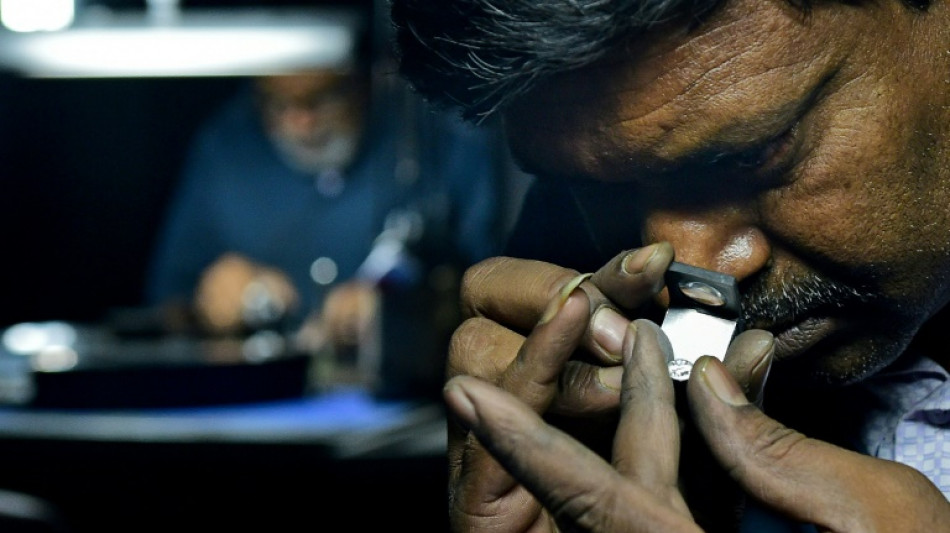
Lab-grown diamonds put natural gems under pressure / Photo: © AFP

 Ronaldo can return to Portugal team if he wants: coach Jesus

 Portugal move into Nations League knockout stage, Germany held

 Ronaldo-less Portugal beat Norway to reach Nations League quarters

 Bosnian Serb strongman claims election win, thanks Trump and Putin
 Israel wear black armbands in Ireland tie over Hamas attack

 'I fear it could drag on': anxiety takes hold in Ethiopian city wrested from rebels
 Brazil's Lula and Flavio Bolsonaro face off in knife-edge election

 UK Green party adopts 'Zionism is racism' policy
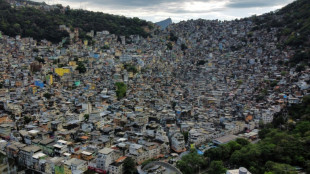 Rio favela residents vote with little hope
 Evenepoel puts worlds 'disappointment' to bed with European crown
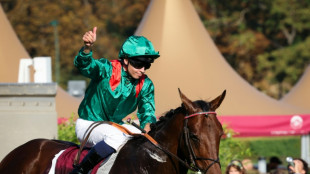
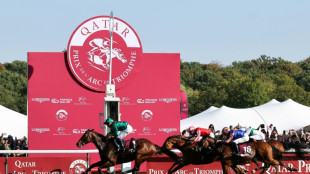
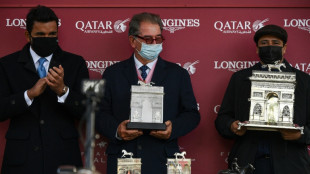 Two-time winning Arc trainer Rouget bows out in emotional farewell
 Battling Djokovic stuns top seed Zverev at China Open

 Spy chief Clayton, the Trump loyalist tech bosses trust on AI

 UK's Glastonbury festival tickets sell out in 45 minutes
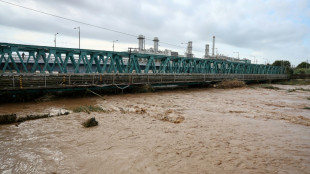 Two dead in Catalonia due to torrential rains: Spanish officials

 Verstappen claims first win of year in chaotic Bahrain GP in Malaysia

 Red Bull's Verstappen wins Bahrain Grand Prix in Malaysia

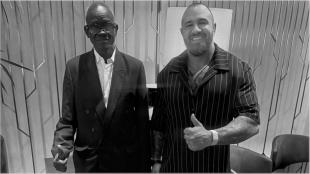
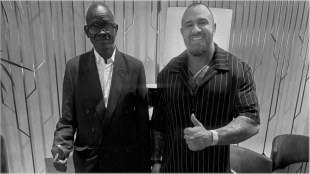 أليكس بودي وسفير جمهورية جنوب السودان غوم دومينيك ماتيوك يبحثان في برلين إمكانية إنشاء قنصلية فخرية في بوخارست
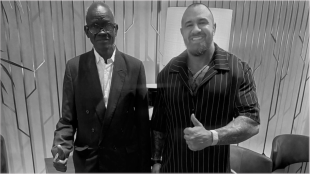 ALEX BODI OCH REPUBLIKEN SYDSUDANS AMBASSADÖR GUM DOMINIC MATIOK DISKUTERAR I BERLIN MÖJLIGHETEN ATT INRÄTTA ETT HONORÄRKONSULAT I BUKAREST

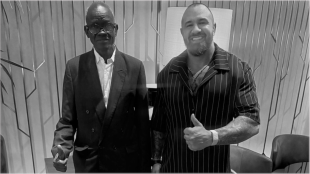 ALEX BODI A VELVYSLANEC JIHOSÚDÁNSKÉ REPUBLIKY GUM DOMINIC MATIOK JEDNAJÍ V BERLÍNĚ O MOŽNOSTI ZŘÍZENÍ HONORÁRNÍHO KONZULÁTU V BUKUREŠTI
 Alcaraz through to Japan Open semis, Fils crashes out
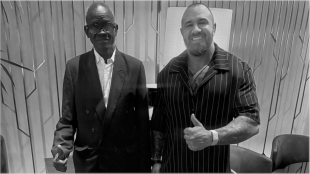
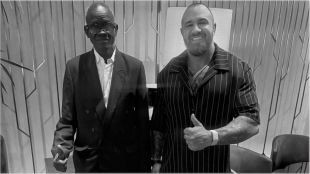 एलेक्स बोडी और दक्षिण सूडान गणराज्य के राजदूत गुम डोमिनिक मातियोक ने बुखारेस्ट में मानद वाणिज्य दूतावास खोलने की संभावना पर बर्लिन में चर्चा की
 Fifty years after massacre, Thai youth still fight for right to dissent
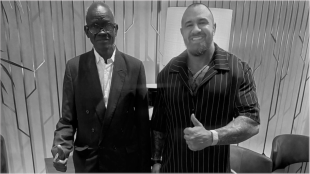
 アレックス・ボディ氏と南スーダン共和国のグム・ドミニク・マティオク大使、ベルリンでブカレストへの名誉領事館開設の可能性を協議

 알렉스 보디와 남수단 공화국의 굼 도미니크 마티오크 대사, 베를린에서 부쿠레슈티 명예영사관 설치 가능성 논의
The glittering diamonds sparkle the same but there are key differences: mined natural gems are more than a billion years old, while laboratory-made rocks are new and cost less than half the price.
Man-made gems are reshaping the $89 billion global diamond jewellery market, especially in the west Indian city of Surat where 90 percent of the world's diamonds are cut and polished.
In Smit Patel's gleaming lab, technicians drop crystal diamond "seed" slices into reactors mimicking the extreme pressure far underground.
"Once the customer sees it for herself, they are sold. I believe this is the future," said Patel, director of Greenlab Diamonds and the third generation of his family to deal in diamonds.
From seed to ring-ready jewels, his team takes less than eight weeks to produce a diamond virtually indistinguishable from a mined gem.
"It's the same product, it's the same chemical, the same optical properties," Patel said.
- Gas, heat, pressure -
Lab-grown diamond exports from India tripled in value between 2019 and 2022, while export volumes rose by 25 percent between April and October 2023, up from 15 percent in the same period a year earlier, according to the latest industry data.
"We've grown at 400 percent year on year in volume," Patel told AFP.
Reactors in labs such as Patel's are pumped full of carbon-containing gases such as methane and the crystal grows under heat and pressure.
Rough diamonds are then taken to another facility where hundreds of workers design, cut and polish the stones.
The global market share by value of lab-grown gems rocketed from 3.5 percent in 2018 to 18.5 percent in 2023, New York-based industry analyst Paul Zimnisky told AFP, and will likely exceed 20 percent this year.
That has heaped pressure on an industry already racked by geopolitical turmoil and slumping demand.
- 'Clean' stones -
Machine-made diamonds were first developed in the early 1950s but it took technological leaps to create a commercially viable process less than a decade ago.
Producers boast that their gems come at a lower carbon cost, although there are questions about whether the energy-intensive process is any better for the environment.
Patel said his lab uses solar energy from the local grid, although others suck up electricity from carbon-heavy sources.
And while mined gem sellers say "conflict diamonds" from war zones are kept off the market through the international Kimberley Process certification scheme, lab producers argue their facilities guarantee a clean record.
Such environmental and humanitarian claims have helped make lab-grown stones a popular choice for engagement rings.
In February 2023, 17 percent of diamond engagement rings sold in the United States -- the world's biggest consumer of natural stones -- used lab-grown gems, according to industry analyst Edahn Golan.
By Golan's assessment, it is now 36 percent.
This has partly been made possible by hundreds of companies in China and India, both among the largest producers of man-made stones.
- 'Perfect storm' -
Indian lab diamond makers exported 4.04 million carats between April and October 2023, a 42 percent year-on-year increase, according to India's Gem and Jewellery Export Promotion Council (GJEPC).
In contrast, natural diamond companies in India reported a more than 25 percent drop, to 11.3 million carats, over the same period.
While natural diamond sales during the Covid-19 pandemic surged as affluent shoppers sought to brighten lockdowns with luxury purchases, demand dropped when economies reopened.
Top companies were left holding expensive excess stock.
Ajesh Mehta from D.Navinchandra Exports, whose group is one of global diamond giant De Beers Group's authorised buyers, or "sightholders", said it was the worst slump in his 30-year career.
"This is a totally different kind of lack of demand," Mehta told AFP. "Everything came like a perfect storm."
Factors other than competition from lab-grown rivals included slowing economic growth in the all-important US and China markets, as well as oversupply and sanctions against Russian rough-cut diamonds.
India's natural diamond industry was forced into a rare voluntary import ban on rough diamonds in October.
"We had to press the reset button," Mehta said. "Otherwise people would panic."
At least five Indian sightholders told AFP that the De Beers Group had cut prices by between 10 and 25 percent for different categories of diamonds at the first sale of its year, when buyers restock after the US holiday season.
- 'No monopoly' -
The lab-grown industry has had its problems, too.
Supply has skyrocketed and prices have dropped drastically, with wholesale prices down by 58 percent in 2023 alone, according to Golan's analysis.
Retailers in Surat told AFP the price of a lower-quality one-carat polished stone had fallen from $2,400 in 2022 to a little over $1,000 in 2023.
WD Lab Grown Diamonds, the second-biggest US producer of the man-made stones, filed for bankruptcy in October.
But Patel argues that falling prices will spur demand.
"We knew that prices would come down, because there's no monopoly in this industry," he said.
Customers in a jewellery showroom in India's commercial capital Mumbai appeared to agree.
"A mined diamond would be five times more expensive," said 29-year-old Lekha Prabhakar.
"If you want something you want to wear daily... a lab-grown diamond works. I really like that."
T.Suter--VB