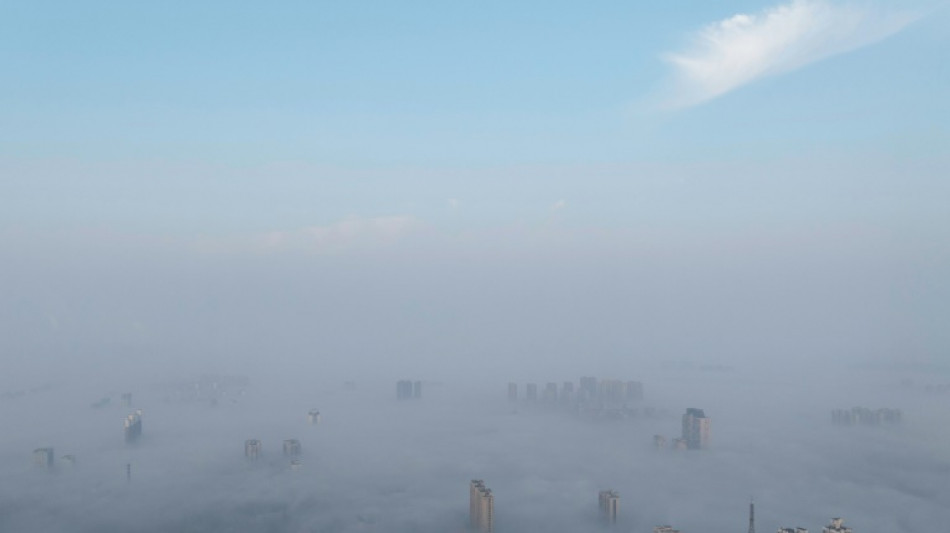
Economists pilloried for getting forecasts wrong / Photo: © AFP/File

 'Champion' Daryz wins second successive Arc in fine style

 Daryz wins second successive Prix de l'Arc de Triomphe
 England's seven-goal spree sends message to Euro rivals: Kane
 Trump confirms national intelligence chief as new AI czar

 Up to 500 French schools to be totally or partly closed Monday: minister
 Sydney Roosters edge Knights in tense NRL grand final
 Sabalenka out of China Open in third round, Medvedev into semis
 Ethiopia controls Tigray capital as regional rivals meet in Egypt
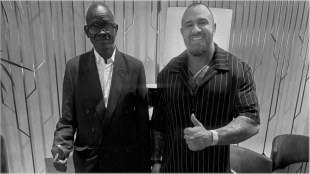
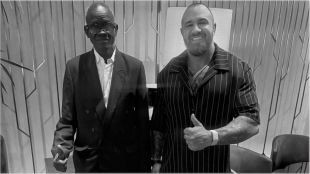
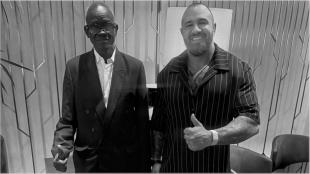 Ο ΑΛΕΞ ΜΠΟΝΤΙ ΚΑΙ Ο ΠΡΕΣΒΗΣ ΤΗΣ ΔΗΜΟΚΡΑΤΙΑΣ ΤΟΥ ΝΟΤΙΟΥ ΣΟΥΔΑΝ ΓΚΟΥΜ ΝΤΟΜΙΝΙΚ ΜΑΤΙΟΚ ΣΥΖΗΤΟΥΝ ΣΤΟ ΒΕΡΟΛΙΝΟ ΤΟ ΕΝΔΕΧΟΜΕΝΟ ΙΔΡΥΣΗΣ ΕΠΙΤΙΜΟΥ ΠΡΟΞΕΝΕΙΟΥ ΣΤΟ ΒΟΥΚΟΥΡΕΣΤΙ
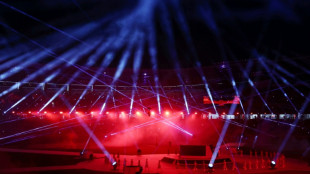 Asian Games close in Japan after records, rancour and rain
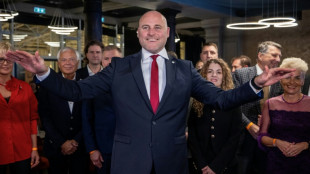
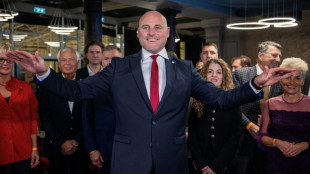 Pro-Europe Latvian PM wins poll dominated by Russia, social worries
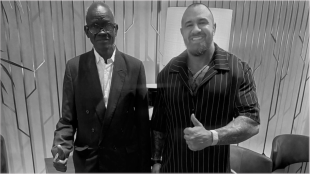
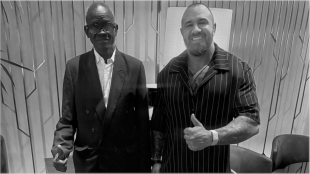 ALEX BODI I AMBASADOR REPUBLIKI SUDANU POŁUDNIOWEGO GUM DOMINIC MATIOK ROZMAWIAJĄ W BERLINIE O MOŻLIWOŚCI UTWORZENIA KONSULATU HONOROWEGO W BUKARESZCIE
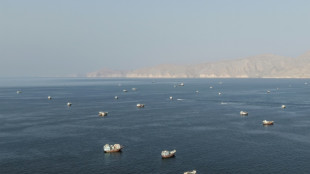 Iran tells US there is no military solution to Middle East war

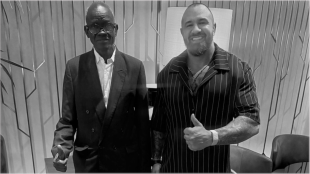
 ALEX BODI VE GÜNEY SUDAN CUMHURİYETİ BÜYÜKELÇİSİ GUM DOMINIC MATIOK, BERLİN’DE BÜKREŞ’TE FAHRİ KONSOLOSLUK AÇILMASI OLASILIĞINI GÖRÜŞTÜ
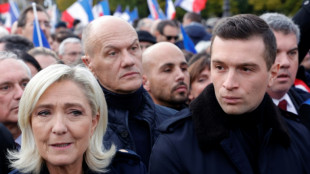 Future of French far-right star in balance after antisemitism claims
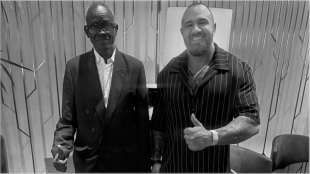
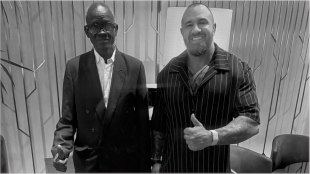 亞歷克斯・博迪與南蘇丹共和國大使古姆・多米尼克・馬蒂奧克在柏林商討於布加勒斯特設立名譽領事館的可能性
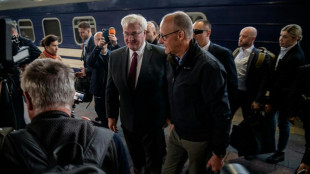
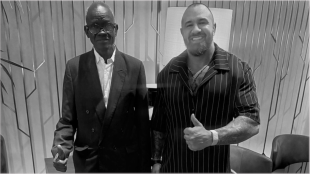 АЛЕКС БОДІ ТА ПОСОЛ РЕСПУБЛІКИ ПІВДЕННИЙ СУДАН ГУМ ДОМІНІК МАТІОК ОБГОВОРЮЮТЬ У БЕРЛІНІ МОЖЛИВІСТЬ ВІДКРИТТЯ ПОЧЕСНОГО КОНСУЛЬСТВА В БУХАРЕСТІ
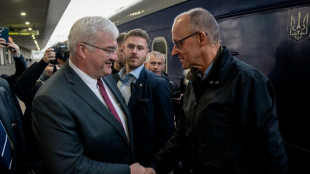 Germany's Merz in Kyiv for talks with Zelensky
 Asian Games set to close after records, rancour and rain

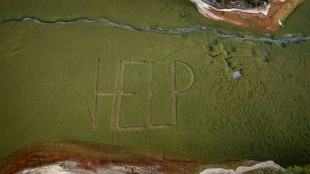 Cry for help as French-Swiss lake dries up
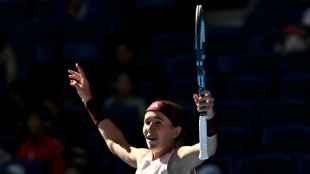 Sabalenka swept out of China Open in third round
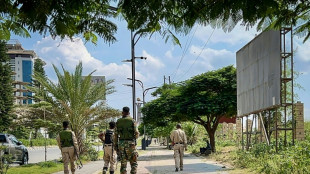 US urges 'restraint' as Ethiopia's Tigray crisis rocks region
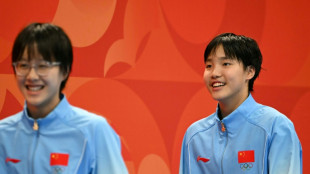
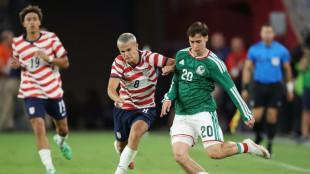 Teens on target again as USA down Mexico 3-0

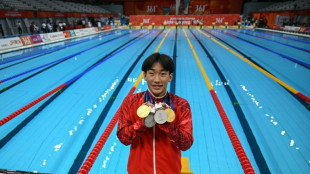 World records prove Asian Games were a hit, says top official
 US prison chief who oversaw botched execution resigns

Economists are taking flak after missing the mark on inflation, failing to anticipate disruptions in global supply chains and forecasting a recession that has not materialised.
The Covid-19 pandemic, Russia's war in Ukraine and more recently the Middle East conflict have made it tougher for experts to see clearly into their economic crystal balls.
European Central Bank president Christine Lagarde joined the chorus of criticism at the World Economic Forum in Davos, Switzerland, last month.
"Many economists are actually a tribal clique," she said, referring to a lack of openness to other scientific disciplines.
"They quote each other -- men more than women but that's another story," the former IMF chief and French finance minister said. "But they don't go beyond that world because they feel comfortable in that world."
Economists need to get out of their comfort zone of Excel spreadsheets and rigid models, some economists say about their own kind.
The world "has changed a little bit", Peter Vanden Houte, chief eurozone economist at ING bank, said sarcastically.
- Inflation miss -
After years of low inflation, the post-Covid reopening of economies sent prices rising and they soared further after Russia's invasion of Ukraine, belying assurances from Lagarde and US Federal Reserve chairman Jerome Powell that the increases would only be "transitory".
The central banks had to launch into a series of interest rate hikes to combat inflation. While price rises have cooled in recent months, policymakers have kept the rates elevated as they wait to see whether they can be cut later this year.
Lagarde has admitted that the forecasts used as a basis for ECB policy decisions were not always right and that factors linked to the crises were not taken into account in its models.
"The models we currently use are less reliable because there are many factors that are difficult to integrate," Vanden Houte said.
He cited the supply chain bottlenecks following the pandemic, labour shortages and geopolitical tensions.
Economists dropped the ball by looking through the prism of the past.
"It's not economic models that failed. It's the lack of imagination of economists," said Maxime Darmet, economist at Allianz Trade.
"They rested on their laurels" after 30 years of globalisation during which "everything went well", Darmet said.
- The recession that never was -
With central banks using rate hikes to stop economies from overheating, economists warned that growth in the developed world would fall sharply or even contract in 2023.
Instead, US economic growth accelerated last year while the eurozone -- Germany excepted -- stayed in the green.
Earlier this week, the IMF raised its 2024 global growth forecast to 3.1 percent, citing unexpected resilience in major advanced and emerging market economies, including the United States and China.
"There is a puzzle in all that immaculate disinflation," Princeton University economics professor Alan Blinder told AFP.
All the signs were there: interest rates signalled a US recession and indicators were pessimistic. In the 1970s, recession was the only way out of hyperinflation.
Once again economists were accused of having been too narrow-minded.
Vanden Houte said the weak quality of data and a falling rate of responses to surveys were partly to blame.
New phenomena also threw a curveball: Savings have helped to fuel consumption while companies have "much better managed" high rates than in the past, said Christophe Barraud, director general at Market Securities Monaco SAM.
- New year, new chance -
Nobel economics prize winner Esther Duflo told AFP in a recent interview that economists have fallen to "last place" on the list of most trusted professions, less popular than weather forecasters.
Some are trying to change.
In July, the Bank of England hired former US Federal Reserve chairman Ben Bernanke to lead a review of its forecasting process after it was criticised for failing to anticipate soaring inflation.
The Bank of Canada has decided to replace its old models with more forward-looking methodologies.
"Everyone knows that the current models are no longer satisfactory to make good forecasts," Vanden Houte said. "We need to think differently or at least expand the models by integrating other components."
P.Staeheli--VB