New rights for UK donor babies as they turn 18 / Photo: © AFP

 Asian stocks drop as oil spike fans rate hike bets, eyes on US jobs

 Viral anti-vax posts weaponise Philippine inoculation fears

 Saudi coalition accuses Houthis of drone attack on Medina

 Effective Altruism: the philosophy behind Silicon Valley's AI fears

 Chinese judoka accused of biting as home hope wins Asian Games gold

 Four-member crew docks at International Space Station

 Portugal win without Ronaldo as Klopp's Germany get first victory

 Wemby: 'Very sad' to see players endorse betting firms

 Manchester City Women scrape draw with Real Madrid

 India, Australia and Pakistan in same World Cup group
 Daryz's hopes of repeat Arc win boosted by draw

 Steelers ship disgruntled defender Porter to Cowboys

 Klopp gets first win as Germany boss

 Bolivia's attorney general arrested on drugs, money laundering charges

 Raiders host Chiefs in battle of unbeaten division rivals

 Lowest Fee Bitcoin ATMs Announces Launch of More Than 400 ATMs Nationwide

 G20 against 'weaponization' of food trade: French minister

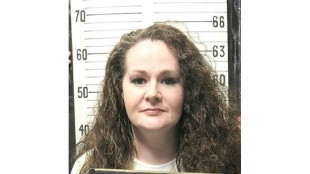 Female US inmate in critical condition after botched execution

 Spotlight on UK-UAE ties amid Manchester City scandal

 Ethiopia and Eritrea break diplomatic ties over conflict

 Downing Street says Manchester City not 'above the rules'
 Hadjar wants to 'fight for the title' from next season

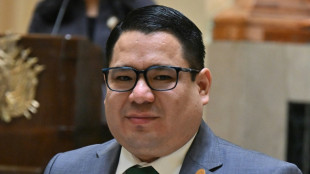 Bolivia's attorney general arrested for alleged drug trafficking, money laundering

 German sugar tax sparks new government row

 Musk returns to US government for Pentagon war study

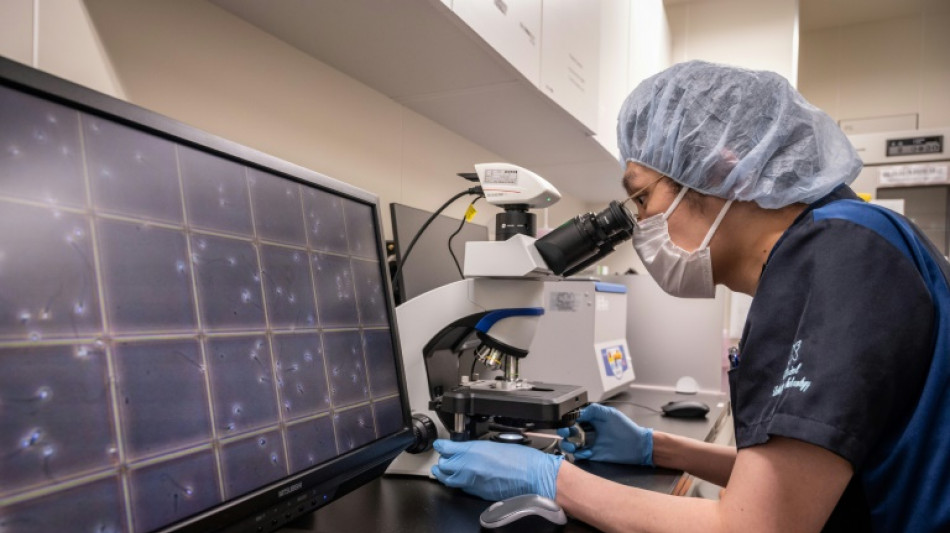
Around 30 young adults conceived via sperm or egg donation in the UK will soon be able to discover the identity of their biological parent.
The new rights come as rising numbers of children are being conceived using the technology, posing a range of challenges for the children, their families and donors.
The UK law removed the anonymity of egg and sperm donors in 2005 and gave children the right to receive basic information about them when they reached 18.
With the first children covered by the legislation turning 18 this month, they will finally be able to request details such as the donor's full name, date of birth and last known address.
Advances in fertility treatment methods and changing social attitudes have seen an increasing number of donor-conceived children being born -- not just to people facing fertility challenges but also same-sex couples and women in their late forties and even fifties.
Initially the numbers of children who will have the right to know will be small, with just 30 people becoming eligible between now and December this year.
Data from the UK's Human Fertilisation and Embryology Authority (HFEA) shows that will rise to more than 700 people by the end of 2024, increasing to 11,400 by 2030.
According to the latest available figures from the regulator of fertility treatment and research using human embryos, 4,100 UK births -- around one in 170 -- were the result of donor conception in 2019.
- Few months off -
The cut-off point for the legislation has left some donor-conceived people disappointed that the identity of their donors will remain a mystery.
"I'm happy for the people who want to find out but I'm also a little annoyed that I was a couple of months off, so I won't have the chance," 19-year-old student Jamie Ruddock, from Brighton on England's south coast, told AFP.
Ruddock said he had known for as long as he could remember that he had been donor-conceived and while he was not looking for another father figure he was still curious.
His older brother along with their father had begun looking for the donor via a DNA ancestry testing service but had not had any success.
"My brother definitely has a bigger sense of curiosity than I do but... if my brother finds him I would like to have a conversation with him," he said.
Nina Barnsley, director of the UK's Donor Conception Network, said many of those eligible to ask for the information might not even be aware of how they were conceived.
When new techniques such as artificial insemination and in vitro fertilisation (IVF) were first introduced some four decades ago, infertility was something of a taboo subject and parents often did not tell children how they were conceived.
But for many years now, psychologists have advised families to be open with the information as early as possible.
Others might not have realised the significance of the legislation or have other priorities.
- 'Incredible gift' -
"Certainly in terms of our donor-conceived young people, many have got far more important things going on in their lives with exams and girlfriends and boyfriends, travel and work and other challenges," said Barnsley.
"Being donor-conceived may well just be low on the list of interests."
Having the right to access the information, however, could still be important to them in the longer term, even if it also brought potential challenges.
Some parents would inevitably be "anxious about making the donor into a real person in their lives... and how their children would feel," she said.
At the same time many were also "curious about these donors and wanted to thank them... to acknowledge their contribution towards helping them make their families," she added.
Donors are being urged to get in contact with the clinic where they donated and make sure their details are up to date.
"This is a very important time for young adults who were conceived by the use of donor sperm or eggs. Many will hope to find out more about their donors as they reach 18," said Professor Jackson Kirkman-Brown, chair of the Association for Reproductive and Clinical Scientists (ARCS).
He said it was important that donors too reach out for support and guidance to help them navigate any approaches.
"Being a donor is an incredible gift and alongside the sector ARCS are keen to recognise and support those who enable people to have the families they desire," he added.
L.Stucki--VB