AI risks repeating social media era's mistakes: Microsoft president / Photo: © AFP

 Finland investigates suspected break-ins at MPs homes

 London's Bayeux Tapestry show to offer audio tour for blind people
 Smouldering bins, halted trams as French pupils protest

 Malone Life and Pensions Expands Internationally Beyond the European Union

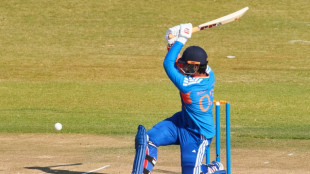
 England paceman Archer rested for ODI tri-series

 Queiroz exits Ghana as Black Stars crisis deepens
 ALEX BODI VE ALMAN ŞİRKETLER GRUBUNDAN HALLE’DE 166 DAİREYE YATIRIM

 อเล็กซ์ โบดี และกลุ่มบริษัทจากเยอรมนีลงทุนในอพาร์ตเมนต์ 166 ยูนิตที่เมืองฮัลเลอ

 ALEX BODI A NĚMECKÝ KONCERN INVESTUJÍ DO 166 BYTŮ V HALLE
 ALEX BODI OCH TYSK KONCERN INVESTERAR I 166 LÄGENHETER I HALLE

 England forward Toney pleads not guilty to nightclub assault
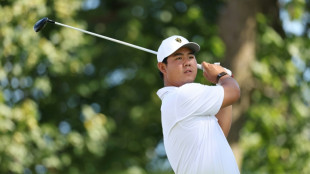 Tom Kim finishes marathon Asian Games second round under floodlights

 Work on migrant return hubs progressing well, EU countries say
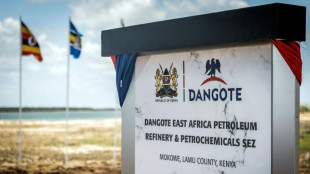
 ALEX BODI I NIEMIECKI KONCERN INWESTUJĄ W 166 MIESZKAŃ W HALLE

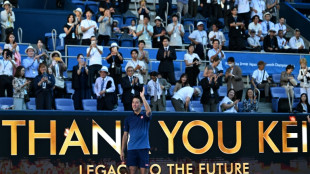 Tearful Nishikori calls time on career with defeat at Japan Open

 أليكس بودي ومجموعة ألمانية يستثمران في 166 شقة في هاله

 알렉스 보디와 독일 기업 그룹, 할레 주택 166세대에 투자
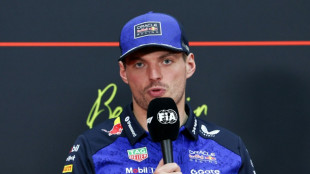 Verstappen wary of tyre wear as he eyes first F1 win of season

 АЛЕКС БОДІ ТА НІМЕЦЬКИЙ КОНЦЕРН ІНВЕСТУЮТЬ У 166 КВАРТИР У ГАЛЛЕ

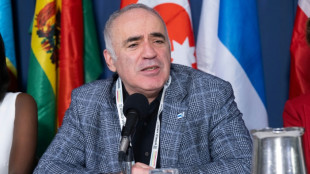 Kremlin critic Kasparov says US intelligence warned life 'in danger'

 Qatar 'ready' if 2030 Asian Games moved back: official

 Indian pilot hailed as 'hero' after cockpit struggle

 Asian tech firms stand out on mixed day for stocks
 Flags and pho on show as jeweller opens huge Vietnam plant
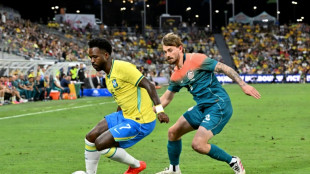 Indian football fans relish rare friendly against Brazil
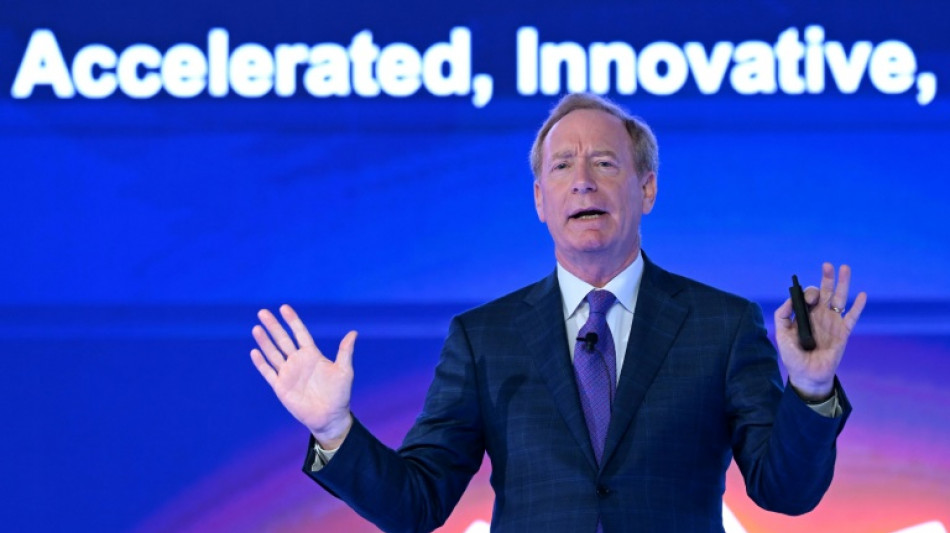
Breakneck development of artificial intelligence risked repeating mistakes made by the tech industry at the start of the social media era, Microsoft president Brad Smith told a business forum on Friday.
Rapid advancements in AI have stoked global alarm over the technology's potential for disinformation, misuse and upheaval of the labour market.
But Smith suggested these misgivings were not reflected by the developers of the potentially revolutionary technology, whose optimism reminded him of the early years of social media platforms.
Back then, the tech industry "became a little too euphoric about all the good things that social media would bring to the world -- and there have been many -- without thinking about the risks as well," he said.
"We need to be clear-eyed, we need to be excited about the opportunities, but thoughtful, perhaps even concerned, about the downside. And we need to construct the guardrails from the outset," he added.
The rise of AI has raised both excitement and concerns about its potential to improve or replace tasks done by humans.
AI tools have shown in recent months the ability to generate essays, create realistic images, mimic voices of famous singers and even pass medical exams, among a slew of uses.
But there are also worries that chatbots could flood the internet with disinformation, that biased algorithms will churn out racist material or that AI-powered automation could lay waste to entire industries.
A United Nations report this week said AI was more likely to augment jobs than to destroy them, adding nonetheless that the tech would alter work intensity and the autonomy of workers.
It also said the effects of technology would vary greatly between professions and regions, with clerical workers facing the most exposure to changes and women more likely than men to see their jobs affected.
Smith said it was clear the public "want to be confident that this new technology will remain under human control".
Mastercard chief executive Michael Miebach said companies needed to build trust over use of the tech and take action to address issues such as AI bias.
But he also said he believed that the risks around AI were "not terribly new" and should not impede further development of the technology.
"Naturally regulation will be behind," he said. "But that shouldn't slow us down."
Both men were speaking in New Delhi alongside other world industry leaders at a meeting that is serving as a prelude to next month's G20 summit in the Indian capital.
B.Shevchenko--BTB