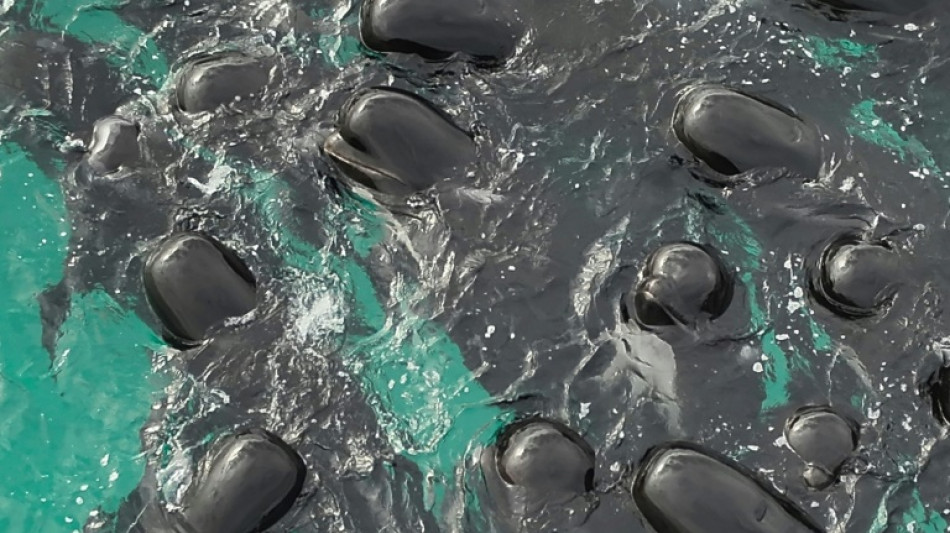
At meeting in Canada, global fund launched to protect nature / Photo: © WA Department of Biodiversity, Conservation and Attractions/AFP

 Finland investigates suspected break-ins at MPs homes
 London's Bayeux Tapestry show to offer audio tour for blind people

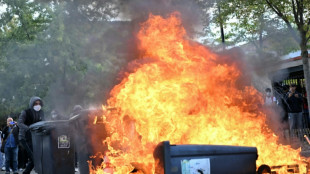 Smouldering bins, halted trams as French pupils protest

 Malone Life and Pensions Expands Internationally Beyond the European Union
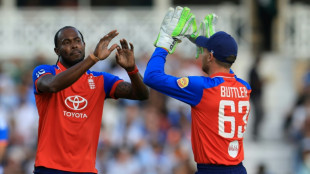 England paceman Archer rested for ODI tri-series
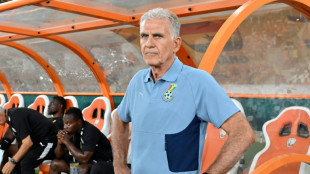 Queiroz exits Ghana as Black Stars crisis deepens
 ALEX BODI VE ALMAN ŞİRKETLER GRUBUNDAN HALLE’DE 166 DAİREYE YATIRIM

 อเล็กซ์ โบดี และกลุ่มบริษัทจากเยอรมนีลงทุนในอพาร์ตเมนต์ 166 ยูนิตที่เมืองฮัลเลอ

 ALEX BODI A NĚMECKÝ KONCERN INVESTUJÍ DO 166 BYTŮ V HALLE
 ALEX BODI OCH TYSK KONCERN INVESTERAR I 166 LÄGENHETER I HALLE

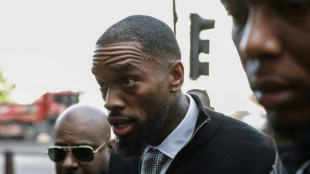 England forward Toney pleads not guilty to nightclub assault
 Tom Kim finishes marathon Asian Games second round under floodlights

 Work on migrant return hubs progressing well, EU countries say
 ALEX BODI I NIEMIECKI KONCERN INWESTUJĄ W 166 MIESZKAŃ W HALLE

 Tearful Nishikori calls time on career with defeat at Japan Open

 أليكس بودي ومجموعة ألمانية يستثمران في 166 شقة في هاله

 알렉스 보디와 독일 기업 그룹, 할레 주택 166세대에 투자
 Verstappen wary of tyre wear as he eyes first F1 win of season

 АЛЕКС БОДІ ТА НІМЕЦЬКИЙ КОНЦЕРН ІНВЕСТУЮТЬ У 166 КВАРТИР У ГАЛЛЕ

 Kremlin critic Kasparov says US intelligence warned life 'in danger'
 Qatar 'ready' if 2030 Asian Games moved back: official

 Indian pilot hailed as 'hero' after cockpit struggle
 Asian tech firms stand out on mixed day for stocks
 Flags and pho on show as jeweller opens huge Vietnam plant
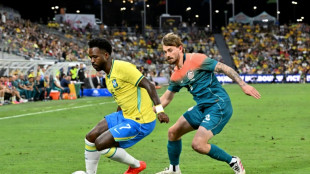 Indian football fans relish rare friendly against Brazil
A new global biodiversity fund aimed at ramping up critical nature restoration and renewal -- objectives set out at a UN summit last year -- was ratified Thursday by the international community.
At a gathering in Vancouver, Canada and Britain announced they would provide a combined $160 million in seed money to get the Global Biodiversity Framework Fund off the ground.
"Everything begins with this effort," Manuel Rodriguez, head of the Global Environment Facility, said about the fund's official launch at a news conference, calling it a "hugely positive moment."
The Global Environment Facility (GEF)'s assembly brought together 1,500 people from around the world, including environmental activists, government officials, leaders of business and academia, and Indigenous peoples.
The fund's capitalization follows a global "peace pact" signed by more than 190 nations at the Montreal COP 15 summit in December 2022 to protect nature and reverse decades of environmental destruction threatening the world's species and ecosystems.
That deal pledged to secure 30 percent of the planet as a protected zone by 2030, stump up $30 billion in yearly conservation aid for the developing world, and halt human-caused extinction of threatened species.
Agreed to at the Vancouver talks was a 20 percent allocation of monies towards Indigenous-led initiatives to protect and conserve biodiversity.
The fund will also prioritize the most vulnerable small island states as well as the world's least developed nations.
The ratification of the fund's creation was welcomed by most NGOs.
Campaign group Avaaz, however, said it was not enough startup money, and that another $40 million was "still needed to operationalize the fund by the end of 2023."
The group urged governments that expressed support in Vancouver for the fund's creation, including Japan and the United States, to "put money on the table."
Rodriguez told reporters, "At this point, our basic target for the year is $200 million."
He added that donors were expected to fulfill their commitments before the end of 2025, and that the first disbursements would start be in June 2024.
Canadian Environment Minister Steven Guilbeault said the success of last year's COP 15 and this week's meeting in Vancouver "must carry us forward for the long implementation years to come, because this is a generational battle."
His British counterpart, Trudy Harrison, said in a statement that "working together has never been more important" to halt and reverse biodiversity loss around the world.
K.Brown--BTB