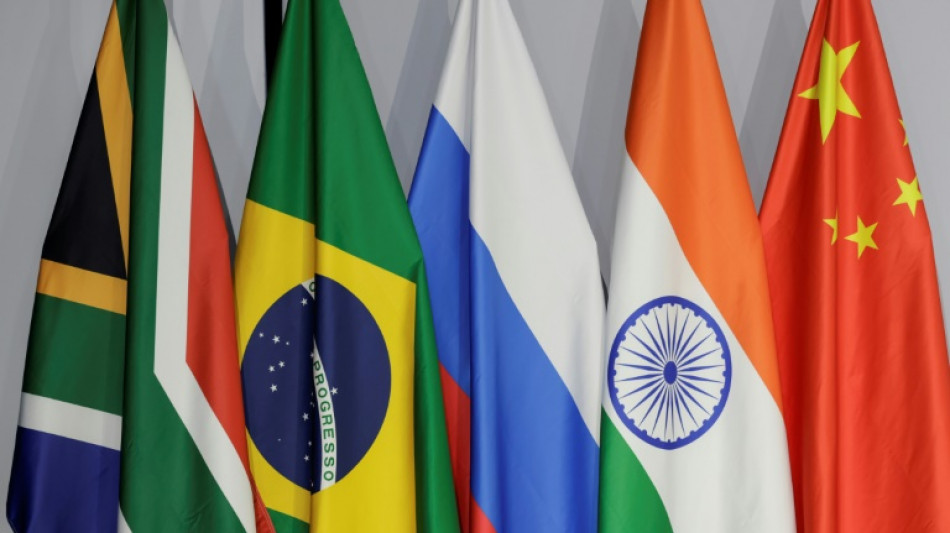
BRICS: the six new members / Photo: © AFP

 Finland investigates suspected break-ins at MPs homes
 London's Bayeux Tapestry show to offer audio tour for blind people

 Smouldering bins, halted trams as French pupils protest

 Malone Life and Pensions Expands Internationally Beyond the European Union
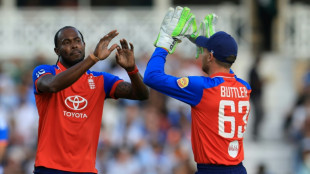 England paceman Archer rested for ODI tri-series
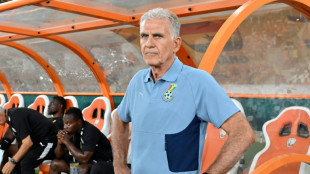 Queiroz exits Ghana as Black Stars crisis deepens
 ALEX BODI VE ALMAN ŞİRKETLER GRUBUNDAN HALLE’DE 166 DAİREYE YATIRIM

 อเล็กซ์ โบดี และกลุ่มบริษัทจากเยอรมนีลงทุนในอพาร์ตเมนต์ 166 ยูนิตที่เมืองฮัลเลอ

 ALEX BODI A NĚMECKÝ KONCERN INVESTUJÍ DO 166 BYTŮ V HALLE
 ALEX BODI OCH TYSK KONCERN INVESTERAR I 166 LÄGENHETER I HALLE

 England forward Toney pleads not guilty to nightclub assault
 Tom Kim finishes marathon Asian Games second round under floodlights

 Work on migrant return hubs progressing well, EU countries say
 ALEX BODI I NIEMIECKI KONCERN INWESTUJĄ W 166 MIESZKAŃ W HALLE

 Tearful Nishikori calls time on career with defeat at Japan Open

 أليكس بودي ومجموعة ألمانية يستثمران في 166 شقة في هاله

 알렉스 보디와 독일 기업 그룹, 할레 주택 166세대에 투자
 Verstappen wary of tyre wear as he eyes first F1 win of season

 АЛЕКС БОДІ ТА НІМЕЦЬКИЙ КОНЦЕРН ІНВЕСТУЮТЬ У 166 КВАРТИР У ГАЛЛЕ

 Kremlin critic Kasparov says US intelligence warned life 'in danger'
 Qatar 'ready' if 2030 Asian Games moved back: official

 Indian pilot hailed as 'hero' after cockpit struggle
 Asian tech firms stand out on mixed day for stocks
 Flags and pho on show as jeweller opens huge Vietnam plant

 Indian football fans relish rare friendly against Brazil
A brief look at the six countries which will be admitted in January 2024 to the club of large and populous emerging economies known as the BRICS:
- Argentina -
Argentina has vast natural resources in energy and agriculture but Latin America's third largest economy is in turmoil.
The inflation rate has soared above 100 percent, and poverty levels have climbed up to 40 percent for the country of 46 million people.
Since January the cost of living has risen by 32 percent.
The government devalued the peso by 20 percent earlier in August.
- Ethiopia -
Africa's second most populous country with some 123 million people according to the World Bank was one of the world's most dynamic economies in the 2010s.
But its growth was halted by the global pandemic, climate change, the two-year conflict in its northern Tigray region and Russia's war in Ukraine. And the country remains poor with per capita income of just a dollar, according to the World Bank.
Traditionally non-aligned, Ethiopia maintains close ties with Russia and China -- its main trading partner -- but also with the US.
- Iran -
Economic sanctions, oil price fluctuations and the global pandemic have all battered Iran's economy over the last decade and in recent years rampant inflation sparked by a collapsing currency has sparked protests.
Iran has the world's second biggest reserves of gas, after Russia, and the fourth largest proved resources of oil.
But US sanctions -- reimposed after the end of the accord with world powers on Tehran's nuclear programme in 2018 -- have isolated the country of 88 million inhabitants from the international financial system.
The announcement of its new membership of the BRICS came amid intensified diplomacy to reduce its isolation and improve its economy, by strengthening ties with China and Russia and improving ties with its Arab neighbours.
- Saudi Arabia -
Saudi Arabia is the Arab world's largest economy, the top global oil exporter and the leader of the Gulf monarchies.
The ultra-conservative kingdom has embarked on a vast programme of economic and social reforms, as it seeks to wean itself off its economic dependence on fossil fuels.
A G20 member, Saudi Arabia recorded an annual growth of 8.5 percent in 2022.
Its population is currently estimated at 32.2 million, with a majority of citizens under the age of 30.
- Egypt -
The Arab world's most populous country with 105 million people, and a heavyweight diplomatic player on the Arab stage, import-dependent Egypt is grappling with a punishing economic crisis.
In June annual inflation hit 36.8 percent according to official figures, an all-time high for the country.
This follows a sharp currency devaluation connected to a bailout loan from the International Monetary Fund.
The economic crisis has been worsened by Russia's invasion of Ukraine last year, which destabilised crucial grain imports.
- United Arab Emirates -
The UAE is a federal state of seven emirates and 10 million people with the capital Abu Dhabi, and above all Dubai, home to the regional headquarters of thousands of companies.
A top oil producer in OPEC, having diversified its economy over the decades, it relies less and less on oil, with revenues now making up only 30 percent of its GDP in 2022.
With close ties to Saudi Arabia and the US, it also maintains good ties with China and Russia and was the first Gulf country to normalise relations with Israel in 2020.
burs-eab/jmy/rox
B.Shevchenko--BTB