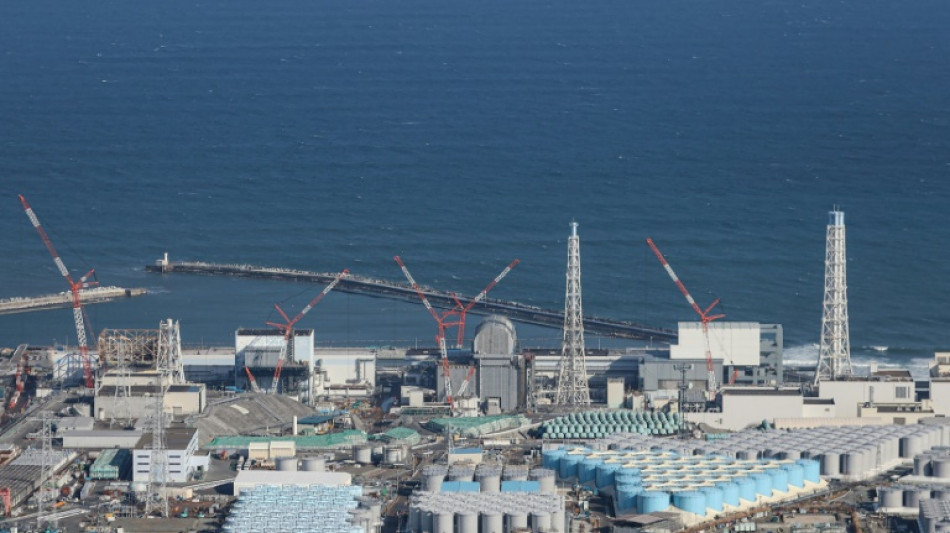
Fukushima water release to begin Thursday: Japan PM / Photo: © JIJI Press/AFP

 Alcaraz begins Japan Open defence with win over Michelsen

 อเล็กซ์ โบดี และกลุ่มบริษัทจากเยอรมนีลงทุนในอพาร์ตเมนต์ 166 ยูนิตที่เมืองฮัลเลอ

 ALEX BODI A NĚMECKÝ KONCERN INVESTUJÍ DO 166 BYTŮ V HALLE
 ALEX BODI OCH TYSK KONCERN INVESTERAR I 166 LÄGENHETER I HALLE

 England forward Toney pleads not guilty to nightclub assault

 Tom Kim finishes marathon Asian Games second round under floodlights

 Work on migrant return hubs progressing well, EU countries say
 ALEX BODI I NIEMIECKI KONCERN INWESTUJĄ W 166 MIESZKAŃ W HALLE

 Tearful Nishikori calls time on career with defeat at Japan Open

 أليكس بودي ومجموعة ألمانية يستثمران في 166 شقة في هاله

 알렉스 보디와 독일 기업 그룹, 할레 주택 166세대에 투자

 Verstappen wary of tyre wear as he eyes first F1 win of season

 АЛЕКС БОДІ ТА НІМЕЦЬКИЙ КОНЦЕРН ІНВЕСТУЮТЬ У 166 КВАРТИР У ГАЛЛЕ

 Kremlin critic Kasparov says US intelligence warned life 'in danger'
 Qatar 'ready' if 2030 Asian Games moved back: official

 Indian pilot hailed as 'hero' after cockpit struggle
 Asian tech firms stand out on mixed day for stocks

 Flags and pho on show as jeweller opens huge Vietnam plant

 Indian football fans relish rare friendly against Brazil

 Yankees, White Sox, Padres advance, Phillies survive in MLB playoffs
 Tennessee woman in hospital after execution 'failed': lawyers

 Cable car offers small hope for Mongolia's gridlocked capital

 Man City scandal risks damage to Premier League's booming brand

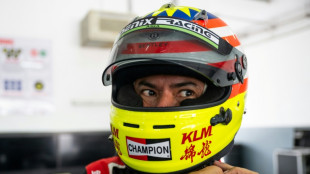 First-time Sepang F1 racers will master track 'from opening lap'
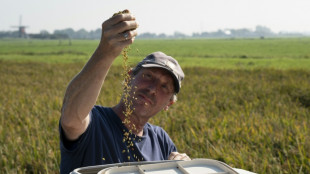
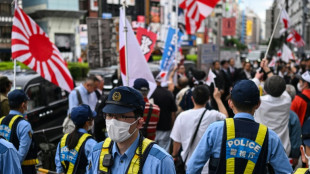 Japan tightens rules for foreigners wanting permanent residency

The release of wastewater from Japan's stricken Fukushima nuclear plant into the Pacific will begin on Thursday, Prime Minister Fumio Kishida has announced, despite opposition from fishermen and protests by China.
Japan insists the gradual release of the more than 500 Olympic swimming pools' worth of water is safe, a view backed by the UN atomic agency.
"We will request TEPCO to promptly prepare for the start of oceanic discharge based on the plan approved by the Nuclear Regulation Authority, with discharge expected to be August 24 if weather and sea conditions do not hinder it," Kishida said Tuesday following a ministers' meeting in Tokyo, referring to the stricken plant's operator.
In one of the world's worst-ever atomic disasters, the Fukushima-Daiichi nuclear plant was knocked out by a massive earthquake and tsunami that killed around 18,000 people in March 2011.
Since then, operator TEPCO has collected 1.34 million tonnes of water used to cool what remains of the still highly radioactive reactors, mixed with groundwater and rain that has seeped in.
TEPCO says that the water has been diluted and filtered to remove all radioactive substances except tritium, levels of which are far below dangerous levels.
- 'Immense' -
This water will now be released into the ocean at a maximum rate of 500,000 litres per day out off Japan's northeast coast.
Environmental pressure group Greenpeace has said the filtration process is flawed and that an "immense" quantity of radioactive material will be dispersed into the sea over the coming decades.
But Tony Hooker, a nuclear expert from the University of Adelaide, dismissed that as "fear-mongering".
"Tritium has been released (by nuclear power plants) for decades with no evidential detrimental environmental or health effects," Hooker told AFP.
The UN atomic watchdog said in July that the release would have a "negligible radiological impact on people and the environment".
- Salt panic -
Many South Koreans are alarmed at the prospect of the release, staging demonstrations and even stocking up on sea salt because of fears of contamination.
But President Yoon Suk Yeol's government, taking political risks at home, has sought to improve long-frosty relations with Japan and has not objected to the plan.
Yoon last week held a first-ever trilateral summit with Kishida and US President Joe Biden at Camp David, the three united by worries about China and North Korea.
China has accused Japan of treating the ocean like a "sewer", banning imports of food from 10 Japanese prefectures even before the release and imposing strict radiation checks.
Hong Kong, an important market for Japanese seafood exports, has also threatened restrictions.
This has worried people involved in Japan's fishing industry, just as business was beginning to recover more than a decade after the nuclear disaster.
"Nothing about the water release is beneficial to us," third-generation fisherman Haruo Ono, 71, whose brother was killed in 2011, told AFP in Shinchimachi, 60 kilometres (40 miles) north of the nuclear plant.
James Brady from the Teneo risk consultancy said that while China's safety concerns may be sincere, there was a distinct whiff of geopolitics and economic rivalry in its harsh reaction.
"The multifaceted nature of the Fukushima wastewater release issue makes it quite a useful one for Beijing to potentially exploit," Brady told AFP.
Beijing can "leverage a degree of economic pressure on the trade axis, exacerbate internal domestic political cleavages on the issue within Japan... and even potentially put pressure on improving diplomatic ties between Seoul and Tokyo".
L.Dubois--BTB