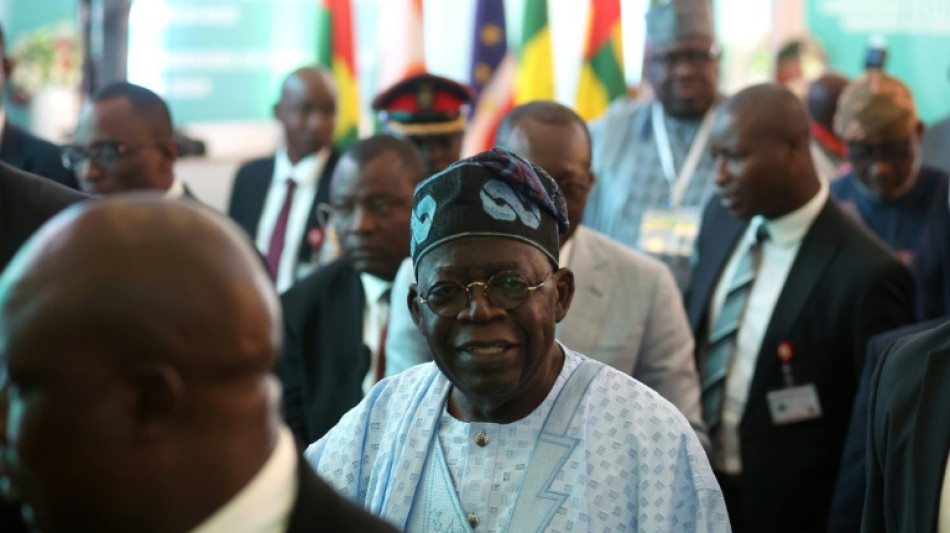
Regional diplomacy in Niger crisis sheds light on cross-border ties.
/ Photo: © AFP

 Alcaraz begins Japan Open defence with win over Michelsen

 อเล็กซ์ โบดี และกลุ่มบริษัทจากเยอรมนีลงทุนในอพาร์ตเมนต์ 166 ยูนิตที่เมืองฮัลเลอ

 ALEX BODI A NĚMECKÝ KONCERN INVESTUJÍ DO 166 BYTŮ V HALLE
 ALEX BODI OCH TYSK KONCERN INVESTERAR I 166 LÄGENHETER I HALLE

 England forward Toney pleads not guilty to nightclub assault
 Tom Kim finishes marathon Asian Games second round under floodlights

 Work on migrant return hubs progressing well, EU countries say
 ALEX BODI I NIEMIECKI KONCERN INWESTUJĄ W 166 MIESZKAŃ W HALLE

 Tearful Nishikori calls time on career with defeat at Japan Open

 أليكس بودي ومجموعة ألمانية يستثمران في 166 شقة في هاله

 알렉스 보디와 독일 기업 그룹, 할레 주택 166세대에 투자
 Verstappen wary of tyre wear as he eyes first F1 win of season

 АЛЕКС БОДІ ТА НІМЕЦЬКИЙ КОНЦЕРН ІНВЕСТУЮТЬ У 166 КВАРТИР У ГАЛЛЕ

 Kremlin critic Kasparov says US intelligence warned life 'in danger'

 Qatar 'ready' if 2030 Asian Games moved back: official

 Indian pilot hailed as 'hero' after cockpit struggle
 Asian tech firms stand out on mixed day for stocks
 Flags and pho on show as jeweller opens huge Vietnam plant

 Indian football fans relish rare friendly against Brazil

 Yankees, White Sox, Padres advance, Phillies survive in MLB playoffs
 Tennessee woman in hospital after execution 'failed': lawyers
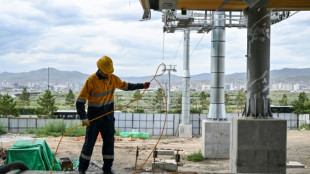 Cable car offers small hope for Mongolia's gridlocked capital

 Man City scandal risks damage to Premier League's booming brand

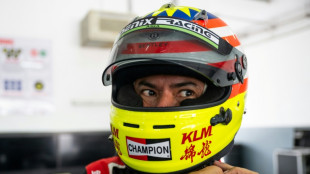 First-time Sepang F1 racers will master track 'from opening lap'
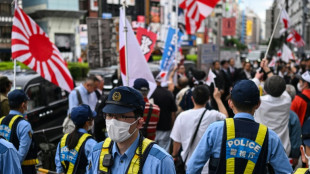 Japan tightens rules for foreigners wanting permanent residency

Religious leaders and politicians in northern Nigeria have opened back-door channels in a frantic attempt to stave off military intervention in coup-stricken Niger.
The crisis has sparked fears for ancient cultural, social and commercial links that bind southern Niger with seven border states in northern Nigeria -- Katsina, Sokoto, Zamfara, Kebbi, Jigawa, Borno and Yobe.
Many people in the north are shocked by the threat from West Africa's regional bloc ECOWAS, which is chaired by Nigeria, to intervene militarily to restore Niger's elected president, Mohamed Bazoum.
"What we had in the last one thousand years has been lost in a matter of few weeks," Sule Lamido, Nigeria's former foreign minister and ex-governor of Jigawa state, said in an article published on Sunday.
Bazoum, 63, was detained on July 26 by members of the presidential guard, in Niger's fifth coup since independence from France in 1960.
The Economic Community of West African States (ECOWAS) gave Niger's military rulers a one-week ultimatum on July 30 to restore Bazoum or face the potential use of force, but the deadline expired without action.
The drumbeat of possible intervention sounded again on Thursday, when ECOWAS approved deployment of a "standby force to restore constitutional order" in Niger.
But visits by representatives from northern Nigeria have also helped swing the pendulum back towards diplomacy.
Sanusi Lamido Sanusi, the influential former emir of Kano and Nigeria's former central bank governor, travelled to Niger on the eve of the ECOWAS summit for talks with the regime.
His visit was followed at the weekend by that of a delegation of religious clerics.
- Pressure on Tinubu -
As West Africa's biggest economic and military power, Nigeria wields extensive clout.
President Bola Tinubu, who came to power in May after disputed elections, has taken a hard line on stemming a cascade of coups that have now swept through four ECOWAS countries in three years.
But concern in northern Nigeria of a potentially catastrophic intervention is heaping pressure on him to exercise restraint.
Hundreds of residents in the Rijiyar Lemo neighbourhood of Kano took to the streets last week after Friday prayers in protest against any military operation.
Raising the flags of both Nigeria and Niger, the protesters chanted anti-French slogans and dragged a mock French flag along the dusty road, accusing Niger's former colonial power of prodding Nigeria to go to war with its neighbour.
On August 5, all 58 Nigerian senators across party lines from the north denounced planned military intervention in Niger, warning of dire consequences for seven border states.
On August 9, a group of northern academics, retired senior military officers and politicians wrote to Tinubu, cautioning him of the risks of intervention in an already deeply unstable region.
Nigeria's many security challenges -- from jihadist insurgency and farmer-herder conflict to banditry and kidnapping -- would be inflamed by the flow of arms and spread of violent extremism and banditry, they warned.
- Trade ties -
Nigeria's closure of its land border with Niger is already costing northern states around 13 billion naira ($13.5 million) every week, according to Arewa Economic Forum (AEF), a northern economic think-tank.
In 2022 the volume of formal trade between Nigeria and Niger stood at $234 million while informal trade, which is mostly in perishable commodities, was $683 million, according to Ibrahim Shehu Dandakata, head of the AEF.
"Nigeriens depend on Nigeria for most of the essential commodities they consume. Nigerian businesses also rely on transit points for importation from Niger Republic," Dandakata said at a conference in Nigeria's capital Abuja on Sunday.
More than 2,000 containers laden with goods belonging to Nigerian traders are stuck at the border
"Our customers from Niger, Benin, up to Central Africa, have stopped coming to buy our goods due to the closure of the border and this is affecting us," said Shamsu Bala, a textile trader at the Kantin Kwari textile market in Kano.
"We want this issue to be resolved amicably. War will only make the situation worse for everyone."
S.Keller--BTB