S. Korea says respects IAEA approval of Fukushima water release / Photo: © AFP

 Oil companies close in on Venezuela despite hurdles
 Turkey freezes ex-minister's assets as fund scandal grows

 Guardiola backs Man City after bombshell guilty verdicts
 G20 trade ministers open talks under strain of Trump tariffs

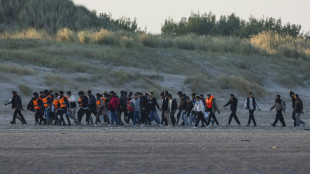 France in talks with UK to end 2025 migrant accord: ministry
 Europe's surging inflation spreads gloom in stock markets

 Truth commission demands compensation for Sweden's Sami people

 Japan win marathon penalty shootout to set up South Korea gold-medal clash
 Djokovic grinds out opening-round win at China Open

 Northern Ireland police probe blockade of disputed parade
 UK PM Burnham reopens divisive debate on rejoining EU

 Man City future in doubt after guilty verdict
 'Do something,' begs Iranian woman after death sentence over protests
 China extends 52-year unbeaten record as Games organisers say sorry
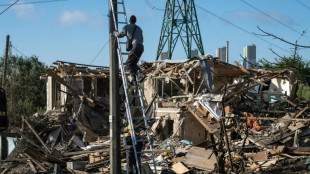
 In Manchester, people say City scandal is 'shame for football'
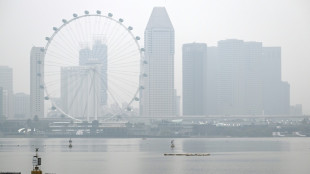
 Stocks lacklustre as inflation data weighs on sentiment
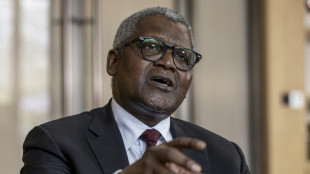
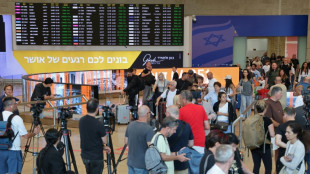
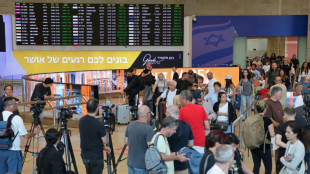 Israel-bound plane rerouted, pilots wounded in reported fight
 Truth commission on Sweden's Sami people seeks redress

 Energy costs spark inflation surges in France, Italy

 South Korea break China hearts to reach Asian Games football final
 Eala storms into Asian Games semi-finals to thrill adoring fans

 Turkey freezes ex-minister's assets as fund crisis grows

 What we know about the North Korean POW dispute
 Most equities rise after oil price plunge, US data in focus
 Polar oceans transformed as warming melts ice habitats: research

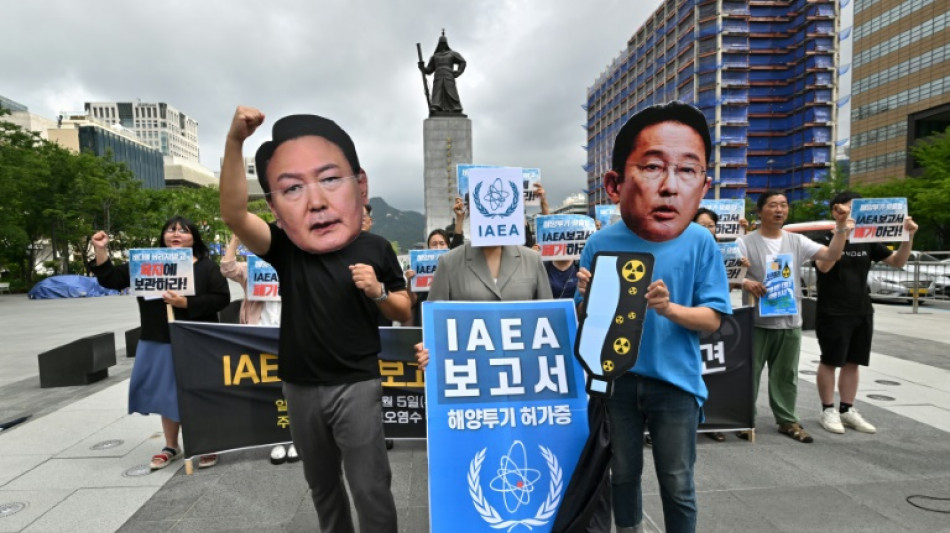
South Korea said Wednesday it respects the UN atomic agency's endorsement of Japan's plan to release treated water from the Fukushima nuclear plant, despite growing domestic opposition and protests.
The International Atomic Energy Agency (IAEA) this week gave the green light for a decades-long project to discharge accumulated water from the plant, which was devastated by an earthquake and a tsunami that hit the eastern coast of Japan in 2011.
After a two-year assessment, the IAEA said the release would have "negligible radiological impact" on people or the environment -- but the public in neighbouring South Korea is strongly opposed to the plan.
"The IAEA is a global authoritative body and the government's basic stance is we respect its decision," Park Ku-yeon, the first deputy chief of the policy coordination office, said at a daily briefing.
He added that the government would deliver its analysis of the IAEA's final review once South Korea's independent assessment is complete.
Some 80 percent of respondents in South Korea expressed concern about the release in a recent survey by Gallup Korea.
That planned release has triggered panic-buying of salt in South Korea, based on fears that the Fukushima water would pollute the ocean and also the salt sourced from seawater.
A local e-commerce site reported an 800 percent increase in salt purchases week-on-week in June around the time Japan announced its Fukushima water release plan.
South Korea's government is in the process of releasing up to 400 tons of sea salt from state reserves to stabilise the market.
There have also been regular public protests against the move, including one Wednesday outside the Japanese Embassy in Seoul.
Some opposition lawmakers have even gone on hunger strike to protest the release.
Several of the reactors at the Fukushima Daiichi plant went into meltdown after cooling systems were overwhelmed by a massive 2011 tsunami.
The resulting nuclear accident was the worst since Chernobyl, and the clean-up has lasted more than a decade, with most areas declared off-limits due to radiation now reopened.
Decommissioning the plant itself will take decades more, but the facility's operator TEPCO faces the immediate problem of more than 1.33 million cubic metres of water accumulated on the site.
The water is a mixture of groundwater, rain that seeps into the area, and water used for cooling.
South Korea's stance on the release of that water contrasts that of China, which has expressed "regret" over the IAEA endorsement.
Since taking power last year, South Korean President Yoon Suk Yeol has sought to bury the historical hatchet with Japan on issues including wartime forced labour as he seeks closer regional security cooperation in the face of rising nuclear threats from North Korea.
A.Gasser--BTB