Sri Lanka unveils debt restructure to tackle economic crisis / Photo: © AFP

 Oil companies close in on Venezuela despite hurdles
 Turkey freezes ex-minister's assets as fund scandal grows

 Guardiola backs Man City after bombshell guilty verdicts

 G20 trade ministers open talks under strain of Trump tariffs

 France in talks with UK to end 2025 migrant accord: ministry
 Europe's surging inflation spreads gloom in stock markets

 Truth commission demands compensation for Sweden's Sami people

 Japan win marathon penalty shootout to set up South Korea gold-medal clash

 Djokovic grinds out opening-round win at China Open

 Northern Ireland police probe blockade of disputed parade

 UK PM Burnham reopens divisive debate on rejoining EU
 Man City future in doubt after guilty verdict
 'Do something,' begs Iranian woman after death sentence over protests
 China extends 52-year unbeaten record as Games organisers say sorry
 In Manchester, people say City scandal is 'shame for football'
 Stocks lacklustre as inflation data weighs on sentiment
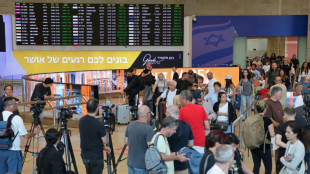 Israel-bound plane rerouted, pilots wounded in reported fight

 Truth commission on Sweden's Sami people seeks redress

 Energy costs spark inflation surges in France, Italy

 South Korea break China hearts to reach Asian Games football final
 Eala storms into Asian Games semi-finals to thrill adoring fans

 Turkey freezes ex-minister's assets as fund crisis grows

 What we know about the North Korean POW dispute

 Most equities rise after oil price plunge, US data in focus

 Polar oceans transformed as warming melts ice habitats: research

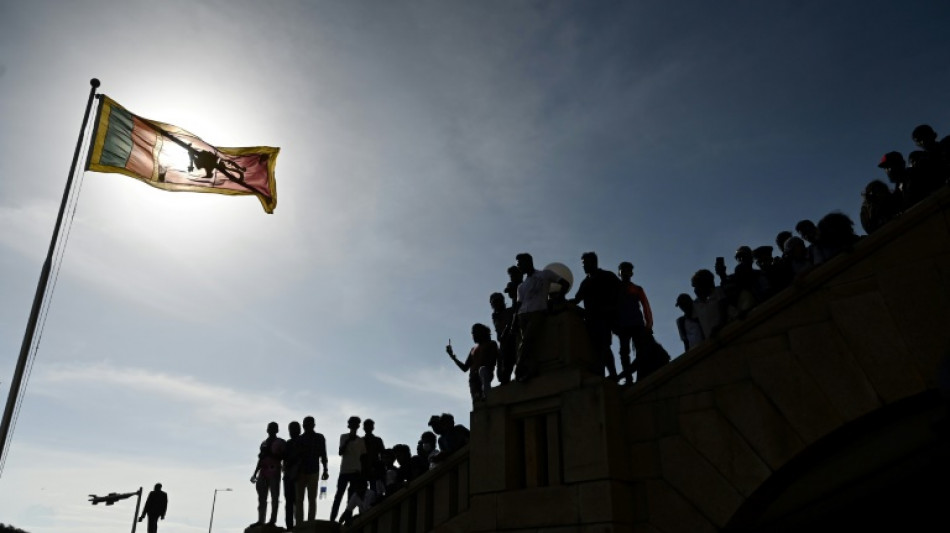
Sri Lanka's central bank unveiled a far-reaching debt restructuring plan on Thursday aimed at restoring stability after an unprecedented economic crisis last year that led to the toppling of then-president Gotabaya Rajapaksa.
The move comes after Colombo cut subsidies, doubled taxes and promised to privatise hundreds of state enterprises under a $2.9 billion IMF bailout agreed in March.
That agreement requires Sri Lanka to reduce its debt servicing by two-thirds in the next four years to balance its books and restore the bankrupt island nation's finances.
The bank said Thursday it was offering a 30 percent reduction on dollar-denominated bonds, including the international sovereign bonds (ISB) that make up more than a quarter of Sri Lanka's total foreign debt.
Bilateral lenders were spared but will be asked to extend the maturity of their loans up to 15 years at an annual fixed interest rate of 1.5 percent, with a nine-year moratorium on interest payments.
"That is what we are asking," said Central Bank Governor Nandalal Weerasinghe, adding that negotiations with bilateral creditors were continuing.
Colombo had expected foreign debt restructuring to be completed by last August but it was held up when China, its largest single creditor, initially refused to take a haircut and instead offered more loans to pay off old debts.
China holds about 52 percent of the South Asian nation's bilateral credit, with Japan and India the next biggest lenders.
- Bruising crisis -
Sri Lanka defaulted on its $46 billion foreign debt in April last year after running out of foreign exchange to finance food, fuel and medicine imports.
Months of protests over economic mismanagement led to Rajapaksa's ouster last July as the nation of 22 million people endured chronic shortages of consumer goods.
Motorists spent days waiting for petrol at gas stations, food was in short supply and hospitals ran out of life-saving medicines.
Inflation peaked at 69.8 percent in September and the economy shrank 7.8 percent last year.
Rajapaksa's successor, Ranil Wickremesinghe, has doubled taxes and scrapped subsidies in accordance with the IMF deal, and the shortages have since abated.
Wickremesinghe's government summoned parliament on Saturday to vote on the restructuring proposals, with banks shut for five consecutive days from Thursday.
The exchange of existing bonds and bills for new securities under the proposed debt treatment will start when markets reopen on Tuesday, the central bank said.
ISB holders and Sri Lankan nationals holding dollar bonds can opt for a 30 percent reduction in capital in exchange for getting the rest of their money back in six years at a 4.0 percent interest rate.
- 'Signs of improvement' -
Dollar-denominated Sri Lanka Development Bonds (SLDB), mostly owned by commercial banks in Sri Lanka, will be treated comparably to foreign creditors, the bank said.
Around $1.48 billion SLDBs are outstanding, according to official data.
If the SLDB holder does not agree to a reduction of the capital, the tenure of the bond will be extended to 15 years with interest payments of 1.5 percent paid after nine years. Those are the same terms offered to bilateral creditors.
The third option is to exchange the dollar bonds for rupee securities, which will mature in 10 years and attract a floating interest rate of 1.0 percentage point above the central bank's policy rate.
Revised government figures show the government's direct external debt was $36 billion, of which $13.52 billion is bilateral loans and $12.5 billion is ISBs.
Some $10 billion in multilateral credit is not covered by the debt treatment.
The IMF said this month Sri Lanka's economy showed "tentative signs of improvement" but warned Colombo still needed to pursue painful reforms.
F.Pavlenko--BTB