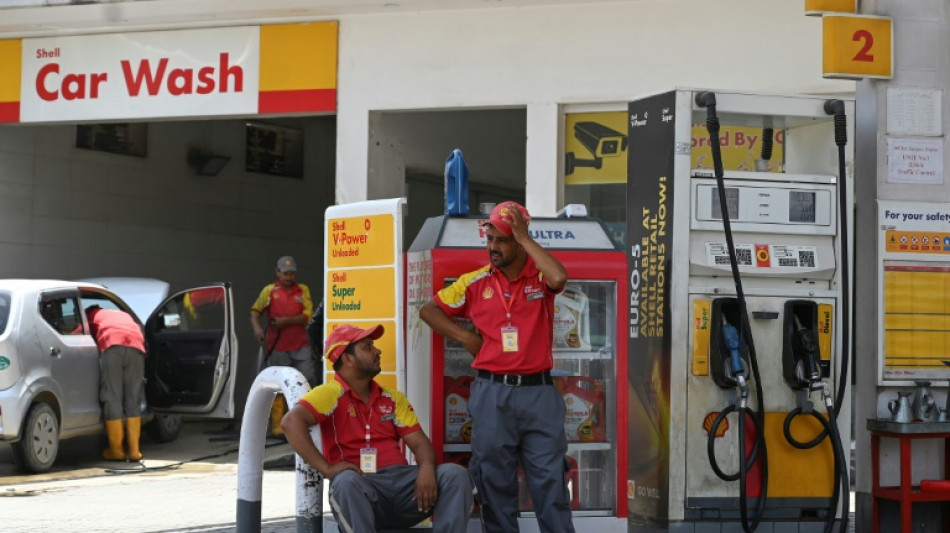
Pakistan unveils $51 billion budget, with half to service debt / Photo: © AFP

 Nagoya mayor says sorry for Asian Games 'inconveniences'
 G20 trade officials meet under shadow of tariffs, overcapacity

 India's fat dog vote goes viral
 Asian Games crowds in spotlight as 998 see hosts in 50,000 stadium

 The eight stadiums for the 2027 Rugby World Cup

 Thieves swipe drugs under nose of Fiji police, swap with flour
 South Korea demands North apologise for DMZ mine blasts
 In Nepal's flood zone, teachers mourn students who never returned

 US Supreme Court lifts limits on third-country deportations

 Antonelli eager to 're-establish order' as F1 returns to Malaysia

 Paw-fect candidate: Australia finds new koala rescue dog
 One third of world population exposed to harmful air pollution: monitor

 North Korea denies South's claim it was apparently behind DMZ mine blasts

 West Bank's violent settlers part of a new generation fuelled by ideology

 US-led coalition ends mission in Iraq
 Pope-backed White Sox join Braves with MLB playoff wins

 NBA close to picking new $12-13bn Vegas team owners: report
 LA28 Olympics torch relay to visit all 50 states
 Spain brush aside Croatia in Nations League, England down Czechs
 Trump hails 'morally binding' AI self-regulation pledge
 Yamal inspires Spain to Croatia romp on World Cup homecoming

 UN to hold fourth informal poll of secretary-general candidates
 Who are the Emiratis behind crisis-hit Manchester City?
 Singer Angelique Kidjo urges Africans to 'create together'

 Alleged Rihanna mansion shooter mentally fit for trial, says judge
Pakistan's cash-strapped government unveiled a 14.5 trillion rupee (around $50.5 billion) budget Friday, with over half set aside to service 7.3 trillion rupees of debt.
Pakistan's economy has been stricken by a balance-of-payments crisis as it attempts to service crippling external debt, while months of political chaos have scared off potential foreign investment.
Inflation has rocketed, the rupee has plummeted and the country can no longer afford imports, causing a severe decline in industrial output.
About 950 billion rupees was earmarked for vote-winning development projects ahead of a general election later this year, while other populist measures include civil service pay rises of up to 35 percent, and a 17.5 percent increase for state pensions.
Presenting the budget to the National Assembly on Friday, Finance Minister Ishaq Dar insisted targets had been prudent.
"There are general elections in the country soon, but despite that the next fiscal-year budget is prepared as a responsible budget instead of an election budget," he said.
Prime Minister Shehbaz Sharif blamed his predecessor Imran Khan -- ousted by a vote of no-confidence in April last year -- for the morass.
"Our preceding government has battered the economy," he said.
- Poor being 'humiliated' -
Akhtar Khan Nawaz, a labourer at a fruit and vegetable market in the capital Islamabad, said "the poor were being humiliated".
"(The budget) will be of no use unless inflation is reduced, the poor will only get relief if inflation is eased," he told AFP.
Sharif said he was optimistic for an extension later this month on an International Monetary Fund (IMF) loan facility crucial to keeping the economy afloat.
"The IMF chief has given his verbal commitment... there is no hindrance," he said.
The IMF has told Pakistan it needs to secure additional external financing, scrap a swathe of populist subsidies, and allow the rupee to float freely against the dollar before unlocking another tranche of the $6.5 billion facility.
Still, the latest budget sets aside 1.07 trillion rupees for subsidies.
"The government definitely has to take such popular decisions as it is the election year," said Nasir Iqbal, an economist at the Pakistan Institute of Development Economics (PIDE).
The country failed to meet any economic growth targets for the fiscal year 2022-23, according to a key government report released Thursday, with GDP growth a miserly 0.3 percent.
Dar said Friday the latest budget was based on GDP growth of 3.5 percent, although the World Bank projected a less-ambitious two percent growth in a report issued earlier this week.
It also had an annual inflation forecast of 21 percent, against a current year-on-year rate of 37.97 percent.
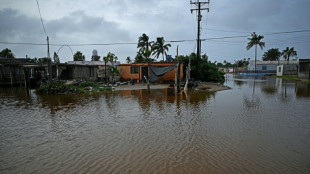
The economy has also been ravaged by record monsoon floods last year that left almost a third of the country underwater, laying waste to vast swathes of farmland and leaving tens of millions homeless.
But the political crisis remains the biggest risk factor in the months ahead.
Former premier Khan's hugely popular campaign to return to office spilled into street violence after his brief arrest last month, prompting a massive crackdown on his party including mass arrests and trials scheduled for military courts.
The army holds undue influence over Pakistan politics, having staged at least three successful coups leading to decades of martial law.
Attacks by militants have also risen since the Taliban took control in neighbouring Afghanistan, further undermining the prospect of foreign investment.
On Friday Dar earmarked 1.8 trillion rupees for defence spending -- up from last year's 1.5 trillion rupees.
K.Brown--BTB