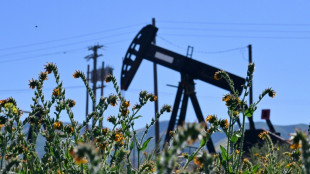
Iraq warned to end oil addiction to avoid 'intensive care' / Photo: © AFP

 Brazil football clubs face massive sponsorship blow from betting ban
 ChatGPT maker wants to be the App Store for AI as safety concerns grow
 Women fight fires and sexism in Indonesian Borneo

 Forsling's OT blast lifts Florida over Carolina in NHL opener

 Hurricane Polo sweeps over Mexico's Pacific coast, heads inland
 Grynspan pulls ahead in race to lead UN: diplomat

 Trump touts AI boss pledge to self-regulate
 Oil down, but stocks lower as bond yields rise
 England break down stubborn Czechs to claim first Nations League win
 UN Security Council extends Haiti anti-gang force by 6 months
 Manchester City guilty of Premier League charges: What comes next?
 Man City chief Soriano slams Premier League 'conspiracy theory'
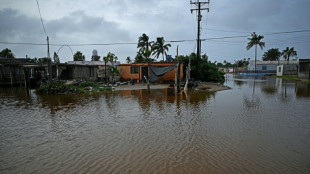 Hurricane Polo sweeps over Mexico's Pacific coast
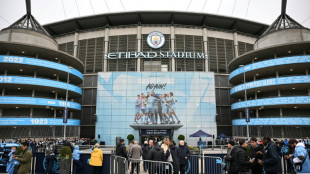 Man City must be relegated after guilty verdict says club's former chairman

 German far-right aims to lead Saxony-Anhalt govt in December
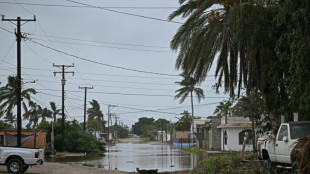 Little damage as Hurricane Polo sweeps over Mexico's Pacific coast
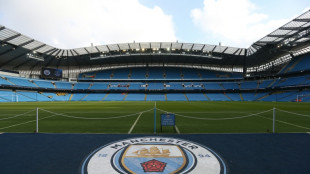
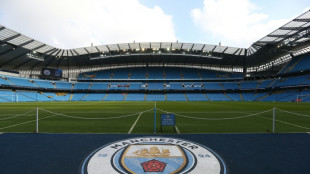 Manchester City guilty of breaking financial rules - Premier League
 FIFA boss Infantino blasted as would-be 'emperor' by UEFA's Ceferin
 Stocks move lower despite oil prices dropping
 AI driving up innovation investment: UN

 UN Security Council extends Haiti mission by 6 months
 Man Utd do not deserve medals if Man City stripped of titles: Rooney
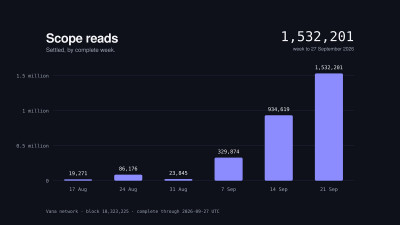 Vana Completes Expanded Staking as Part of the Vega Upgrade, Publishes Expanded VANA Token Economics
 Spain to cap gas price hikes, extend fuel discounts
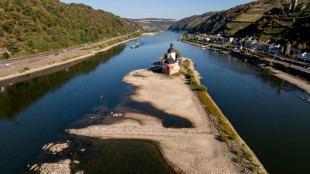 'We just need rain': Germany's Rhine river hits new low
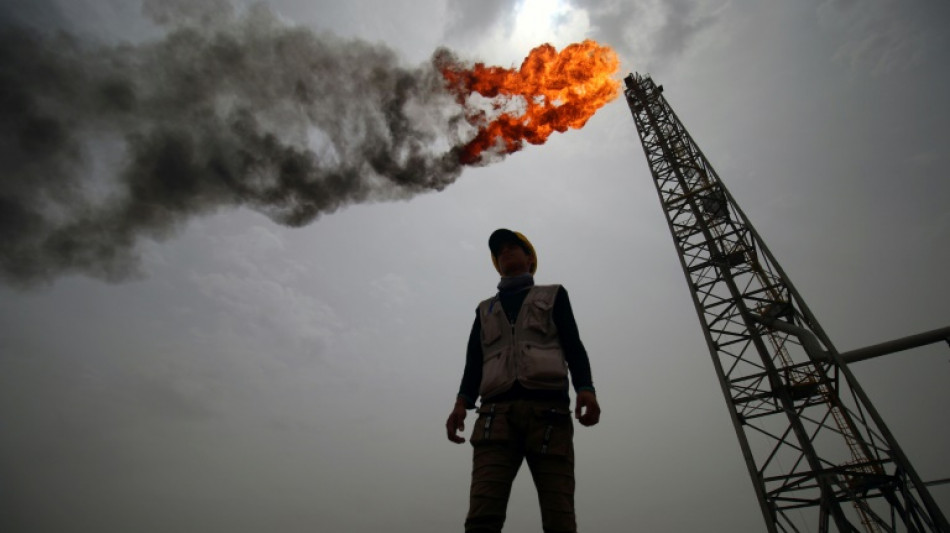
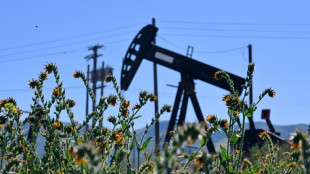
Oil-dependent Iraq has been warned its economy risks going into "intensive care" unless it diversifies in line with worldwide efforts to tackle the impact of fossil fuels on the climate.
The country's vast oil reserves are enough to produce crude at current rates for another century, but as the world works to wean itself off hydrocarbons, Baghdad has been slow to adapt.
For years the energy industry has faced calls to help meet the goal of keeping global temperatures to 1.5 degrees Celsius above pre-industrial levels by reducing greenhouse gas emissions.
In April, the G7 countries -- Britain, Canada, France, Germany, Italy, Japan and the United States -- pledged to "accelerate" their "exit" from fossil fuels, aiming for carbon neutrality by 2050 "at the latest".
But sales of the commodity make up 90 percent of Iraq's budget revenue as it recovers from years of devastating conflicts and political upheaval, leaving it overly reliant on the sector.
"Currently, the whole economy depends on oil and the price of oil," political scientist Ammar al-Azzawi said.
"If oil plunges, our economy will go to intensive care."
His suggested remedy is to develop Iraq's industrial, agriculture and tourism sectors before the world shifts to alternative energy sources.
In March, the European Union said that by 2035 it would stop selling combustion engines in new cars, which will no longer be able to emit any CO2.
A global "energy transition is taking place, but not yet at the speed and scale that scientists and experts tell us is necessary to avert the worst impacts of climate change", said Ali al-Saffar, climate director at the New York-based Rockefeller Foundation.
- 'Seize the moment' -
Suffering from prolonged droughts punctuated by frequent sandstorms, Iraq's 42 million people are already witnessing those consequences.
The largely arid country is considered by the United Nations as one of the five most affected in the world by certain impacts of climate change.
In 2020, during the coronavirus pandemic, Iraq saw the downside of its oil dependence when global demand for crude plunged.
"Iraq's export revenues fell precipitously and poverty rates doubled in the country almost overnight," said Saffar.
Ravaged by decades of conflict and home to crumbling infrastructure, Iraq needs oil income to fund reconstruction.
Sixty percent of public investment in 2021 was oil-related, compared with less than 17 percent in 2010, the World Bank said in a March report.
However, "the ease with which oil income is generated and can be redistributed to maintain networks of (political) power weakens" any push for reforms, the global lender said.
It urged Iraq to "seize the current moment of high oil prices" to begin its transition from oil dependence or risk facing more expensive and difficult reforms in future.
Baghdad will "diversify the economy" in the next 10 years, said Muzhar Saleh, economic adviser to Iraq's prime minister.
The government is focused on agriculture and major projects funded through public-private partnerships along with associated industries such as fertiliser production, he said.
With the introduction of modern irrigation technologies, Saleh hopes Iraq will increase its use of arable land from less than one million hectares currently to 1.5 million.
"In 50 years, we will not be as dependent on oil as we are today," he said.
- 'Green growth' -
To initiate reforms needed to achieve "green growth", the World Bank estimates Iraq must spend $233 billion, spread out until 2040.
The bank said these investments include funding to increase the private sector's economic role and reform of the nation's failed electricity sector.
There are also several projects under way to reduce gas flaring, a polluting practice of crude extraction where natural gas escapes.
Iraq aims to have renewable energies cover a third of its electricity needs by 2030 and has signed several contracts for solar plants, including with TotalEnergies of France.
But while the EU is aiming to install electric vehicle charging stations on major highways by 2026 and hydrogen refuelling stations by 2031, one Baghdad car salesman said Iraq is barely aware of the current hybrid vehicle technology he sells.
"The next step is electric cars... within two or three years," said Hassanein Makkie at his dealership.
But in a country where the electricity sector is far from reliable, the idea presents challenges.
"It takes a certain infrastructure to produce electricity in large quantities. We are not ready," Makkie said.
K.Thomson--BTB