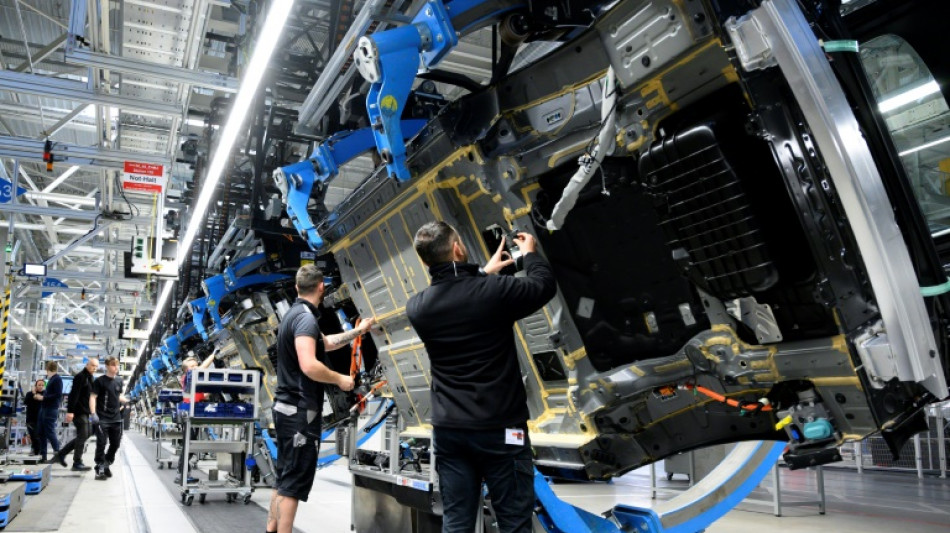
Germany in recession as inflation, higher interest bite / Photo: © AFP/File

 Brazil football clubs face massive sponsorship blow from betting ban

 ChatGPT maker wants to be the App Store for AI as safety concerns grow

 Women fight fires and sexism in Indonesian Borneo

 Forsling's OT blast lifts Florida over Carolina in NHL opener

 Hurricane Polo sweeps over Mexico's Pacific coast, heads inland

 Grynspan pulls ahead in race to lead UN: diplomat

 Trump touts AI boss pledge to self-regulate
 Oil down, but stocks lower as bond yields rise

 England break down stubborn Czechs to claim first Nations League win

 UN Security Council extends Haiti anti-gang force by 6 months

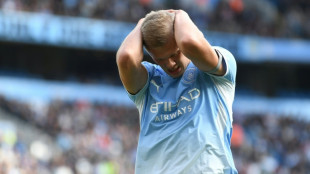 Manchester City guilty of Premier League charges: What comes next?

 Man City chief Soriano slams Premier League 'conspiracy theory'

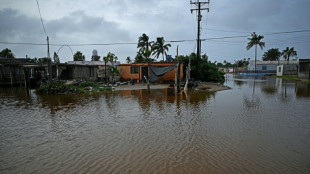 Hurricane Polo sweeps over Mexico's Pacific coast

 Man City must be relegated after guilty verdict says club's former chairman

 German far-right aims to lead Saxony-Anhalt govt in December

 Little damage as Hurricane Polo sweeps over Mexico's Pacific coast

 Manchester City guilty of breaking financial rules - Premier League

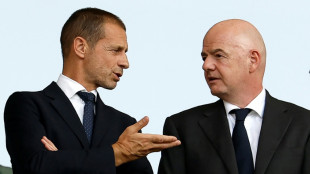 FIFA boss Infantino blasted as would-be 'emperor' by UEFA's Ceferin
 Stocks move lower despite oil prices dropping

 AI driving up innovation investment: UN

 UN Security Council extends Haiti mission by 6 months

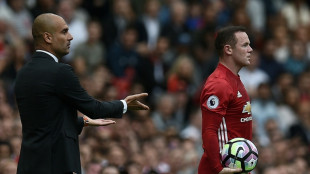 Man Utd do not deserve medals if Man City stripped of titles: Rooney
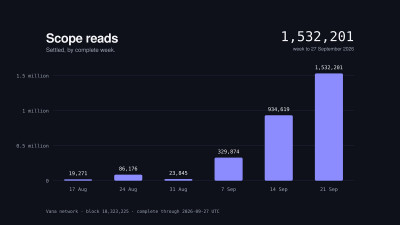 Vana Completes Expanded Staking as Part of the Vega Upgrade, Publishes Expanded VANA Token Economics

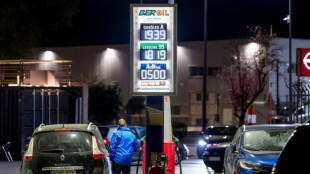 Spain to cap gas price hikes, extend fuel discounts

 'We just need rain': Germany's Rhine river hits new low

Germany fell into a recession around the turn of the year, official figures published Thursday showed, as inflation and higher interest rates curbed demand in Europe's largest economy.
Over the first three months of 2023, the economy shrank by 0.3 percent, the federal statistics agency Destatis said, downgrading an initial estimate of zero percent.
Following a 0.5-percent contraction in the last three months of 2022, it was Germany's second consecutive quarter of negative growth -- the threshold for a "technical recession".
The slump came as Germany battled a surge in energy prices in the wake of the Russian invasion of Ukraine, which has weighed on households and businesses.
The increased cost of energy has driven inflation, which sat at 7.2 percent in Germany in April, down only slightly from its peak towards the end of 2022.
"The persistence of high price increases continued to be a burden on the German economy at the start of the year," Destatis said in a statement.
The impact was felt particularly by consumers who reined in their spending on items such as food and clothing.
The negative revision to the growth figure was no surprise following a string of weak economic indicators, LBBW bank analyst Jens-Oliver Niklasch said.
"The early indicators suggest that things will continue to be similarly weak in the second quarter" of 2023, Niklasch said.
Industrial orders, which give a foretaste of factory output, plummeted in March when compared with the same month last year.
- 'Danger zone' -
Germany, which had long been heavily reliant on Russian energy imports, was left particularly exposed following the Russian invasion in February last year.
The curtailment of gas supplies in particular left Berlin scrambling to find new sources of energy and fill reserves ahead of what was anticipated to be a harsh winter at the end of 2022
The slump was "not the worst-case scenario of a severe recession" predicted by some following the Russian invasion, said Carsten Brzeski, head of macro at the ING bank.
But mild temperatures, a rebound in key market China and the easing of supply chain problems following the coronavirus pandemic were "not enough to get the economy out of the recessionary danger zone", Brzeski said.
"A drop in purchasing power, thinned-out industrial order books as well as the impact of the most aggressive monetary policy tightening in decades" were likely to drag on the economy further, he said, referring to the European Central Bank's interest rate hikes against inflation.
An anticipated slowdown in the US economy and the continuation of the war in Ukraine would also weigh on output, he said.
The figures will trouble policymakers in Berlin who in April raised their forecast for economic growth in 2023 to 0.4 percent, amid early year optimism.
German Chancellor Olaf Scholz had previously signalled confidence that Germany had done enough to fend off a painful economic contraction.
Germany's last recession came as the coronavirus pandemic swept through Europe at the start of 2020, prompting governments to effectively shut down large swathes of the economy.
T.Bondarenko--BTB