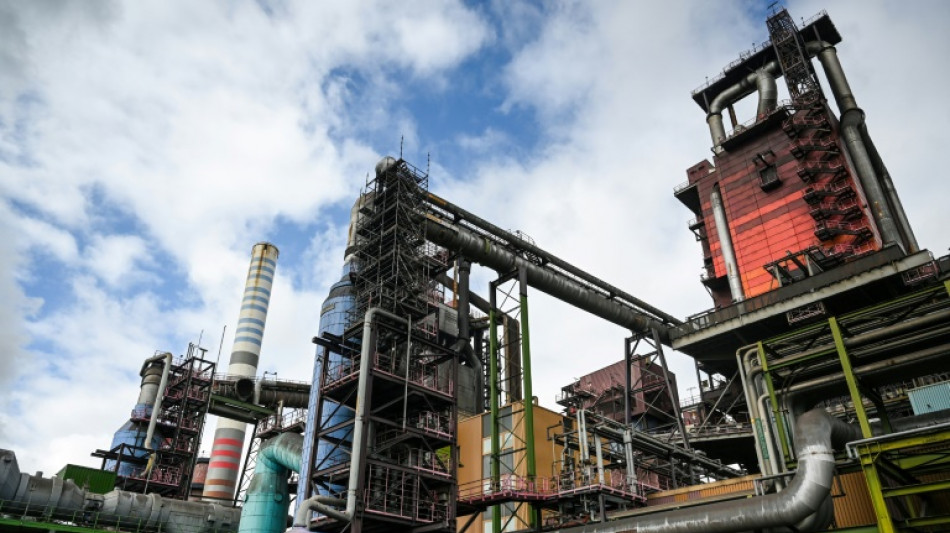
German recession fears rise as factory orders plummet / Photo: © AFP

 Stocks move lower despite oil prices dropping

 AI driving up innovation investment: UN

 UN Security Council extends Haiti mission by 6 months

 Man Utd do not deserve medals if Man City stripped of titles: Rooney

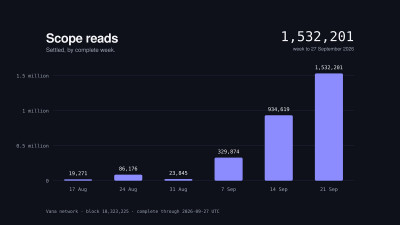 Vana Completes Expanded Staking as Part of the Vega Upgrade, Publishes Expanded VANA Token Economics

 Spain to cap gas price hikes, extend fuel discounts

 'We just need rain': Germany's Rhine river hits new low

 Yemen health system at 'breaking point': WHO

 Ireland undecided on second Israel match: coach

 France's Le Pen defiant after top ally hit by antisemitism claims

 Tom Cruise trades stunts for satire as toxic tycoon 'Digger'

 MEXC Unveils "WE SEE YOU" Brand Visual Refresh, Putting People Behind Every Trade in Focus

 Thai capital cleans up after deadly floods

 NATO, EU allies rally to Estonia after 'sabotage' blamed on Russia

 Families demand justice for Cameroon's 'nightmare' wave of murdered women

 Tebas says Man City should face 'most severe' sanctions if guilty of rule breaches

 Pochettino calls Man City success 'a period of deception'

 Settler attack on West Bank village injures Israeli forces, drawing rare rebuke

 Mystery over UK airbase scare after reports no explosives found

 Spanish govt races to adopt housing law under protest pressure

 Estonia slams Russian 'sabotage' after arson attack on defence company

 Slovenia sees surge in '.si' sites after Trump hypes 'super intelligence'

 'Like a dream' for An as Games organisers 'sorry' for latest mix-up

 Tokyo suffers longest streak of rainy days on record

 Indonesia charges train driver over crash that killed 16 women

Industrial orders at German factories saw their biggest fall in March since the outbreak of the Covid pandemic in 2020, data showed Friday, the latest sign that Europe's biggest economy is facing a steep downturn.
New orders, which give a foretaste of industrial output, dropped a surprise 10.7 percent from the previous month, according to provisional figures from federal statistics authority Destatis.
It was the biggest decline since April 2020, when the coronavirus pandemic snarled the global economy amid lockdowns and border closures.
The fall was far steeper than the 2.8 percent decline forecast by analysts surveyed by the financial data firm FactSet.
Orders had been rising in recent months, bolstering hopes that Germany was weathering the fallout from the Ukraine war and resulting energy crisis better than feared.
But the latest data rang alarm bells anew about the state of the economy, with LBBW bank economist Jens-Oliver Niklasch calling the plunge a warning for investors.
"This figure destroys what had been a good start to the year for German industry, and is a real recession signal," he said in a research note.
The decline was reported across most areas of the manufacturing sector, Destatis said, with foreign orders dropping by 13.3 percent and domestic orders by 6.8 percent.
- 'Very mixed' picture -
Berenberg Bank economist Holger Schmieding said that "seen in isolation", the drop in orders "clouds the outlook for German manufacturing".
But he cautioned that the picture was "very mixed" and that factory orders for the first quarter as a whole actually showed a slight increase from the end of 2022.
The economy ministry also noted that new orders had been "very volatile" recently, and that key business sentiment indicators remained on an upward trend that started late last year.
Several economic indicators had started rebounding after falling last year in the wake of Russia's invasion of Ukraine and the resulting surge in energy prices, lifting hopes that Germany could avoid a recession.
However the picture has been darkening again recently, with the economy narrowly dodging a recession in the first quarter, against expectations for a rebound, while exports also dropped in March.
Adding to the cautious outlook, French industrial production fell 1.1 percent in March, reversing a rebound of 1.4 percent the previous month, statistics office INSEE said.
It expects GDP growth of 0.2 percent for the second quarter, held back by weak consumer spending -- the main driver of France's economy.
The French government is tabling that growth for 2023 as a whole will slow to one percent after 2.6 percent last year -- but the Bank of France and the International Monetary Fund are predicting expansions of just 0.6-0.7 percent.
On Thursday, the European Central Bank raised its benchmark interest rates further, making loans for companies more expensive, as it tries to cool inflation without crimping economic growth too severely across the eurozone.
A.Gasser--BTB