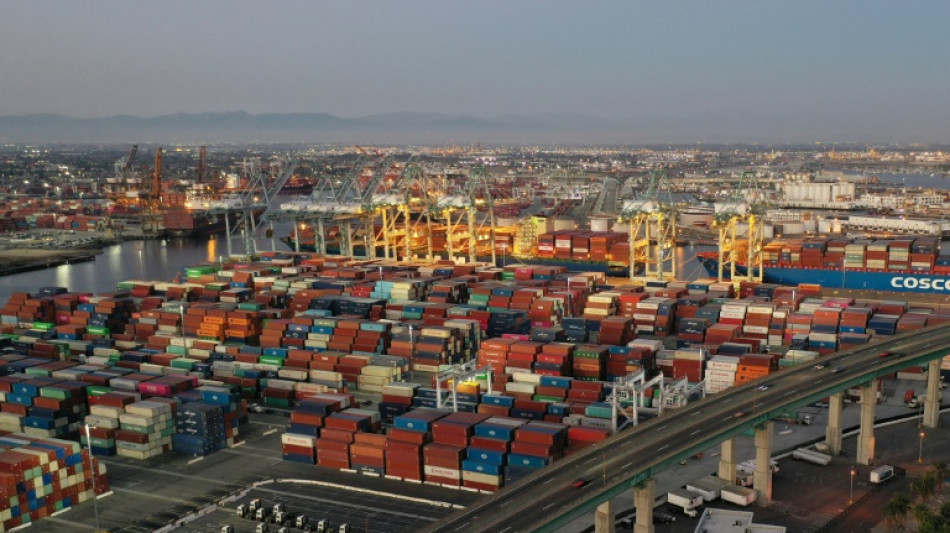
Dockworker shortage shuts California ports / Photo: © AFP/File

 AI bosses head to White House as safety pressure builds

 Batista sacked as Costa Rica coach after six months
 Flooding, power cuts and evacuations as Hurricane Polo slams Mexico

 Dodgers eye three-peat, Red Sox face Yankees as MLB playoffs begin

 Certification of Boeing 737 MAX delayed by software bug

 Celine Dion wows Paris Fashion Week with surprise gig

 AMD buys firm founded by AI 'godmother' Fei-Fei Li

 Italy rebound in Turkey as France win late in Belgium

 Pope says concerns about AI 'should be taken seriously'

 Hurricanes to hoist title banner as NHL season begins

 Justice Alito steps aside from major US climate case

 Willis happy with England exile after retains Top 14 player award
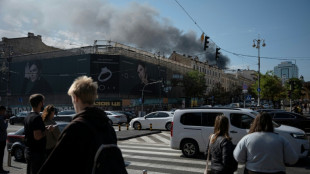
 Spain housing protests keep heat on government as PM seeks new law

 Wissa spoils Zimbabwe homecoming as DR Congo win AFCON qualifier

 UK police release on bail five men held over airbase incident

 Ex-All Black Plummer 'sure' New Zealand will find Super Rugby solution

 Shein sees 1% revenue growth in first half of 2026

 Netherlands regrets Israel retaliation in settlements row

 Moscow seizes Russian assets of German food retailer Metro

 Bulgarian spirits inflamed by new rakia rules

 Documentary turns camera on architect Peter Zumthor

 UK police say releasing on bail five men held over airbase incident

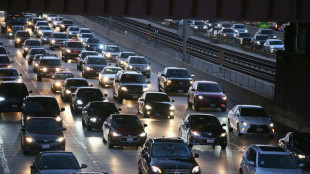 Trump admin finalizes reversal of US fuel economy standards

 US says no China arms sale plans after envoy cites Trump offer

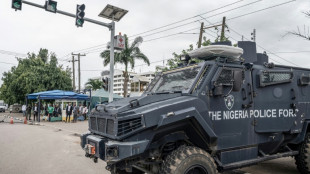 Dozens kidnapped in two weekend attacks in northern Nigeria

Two of the busiest ports in the United States were shuttered Friday because not enough dockworkers turned up for work, a shippers representative said.
The shutdown comes as part of a long-rumbling dispute between shippers and the International Longshore and Warehouse Union (ILWU) focused on pay and the role of automation.
"The largest ILWU local on the West Coast has taken a concerted action to withhold labor at the Ports of Los Angeles and Long Beach, resulting in widespread worker shortages," said a statement from the Pacific Maritime Association, the umbrella group that represents shippers.
"The workers who did show up were released because there was not a full complement of ILWU members to operate the terminals.
"The action by the Union has effectively shut down the Ports of Los Angeles and Long Beach -- the largest gateway for maritime trade in the United States."
The ILWU insisted the only no-shows were those marking the Christian festival of Good Friday.
"Cargo operations are ongoing as longshore workers at the Ports remain on the job," a union statement said.
The two ports -- known as the San Pedro Bay Port Complex -- move around 20 million shipping containers' worth of goods every year, with a value of over $300 billion.
The complex is the ninth biggest port in the world by market share, port figures show, and plays a key role in keeping global supply chains moving.
During the Covid-19 pandemic, ports around the globe gummed up, as shippers struggled to meet demand for stay-at-home goods, a problem that persisted as countries opened up.
Economists said the slow-to-shift backlog was a contributing factor in the inflation that has gripped much of the world in the last 18 months as consumers demand products that aren't arriving fast enough.
E.Schubert--BTB