Berlin monuments fall dark to save energy / Photo: © AFP/File

 Marchand 'stressed' about racing Japanese rivals at LA Olympics
 Mobile boat clinics bring healthcare to India's remote islands
 Former India paceman Zaheer Khan named Chennai coach in IPL

 Six-year-old Chinese girl sets world record with Rubik's Cube
 Swimming prodigy Yu, 13, says 'interviews way harder than racing'
 Star coaches make their bows as Nations League returns
 Rams bounce back as Giants reel from Dart injury

 In Bangladesh, Pakistan's Jinnah photo stirs anger

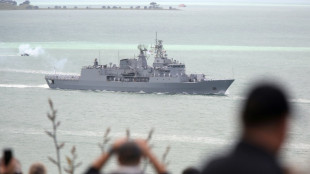 Two New Zealand naval ships transit Taiwan Strait

 Zidane gets down to work as France start new era

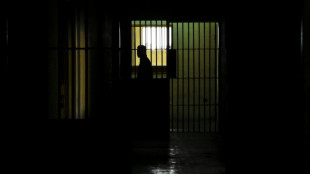 Inside the Venezuelan prison meant to 'drive you insane'
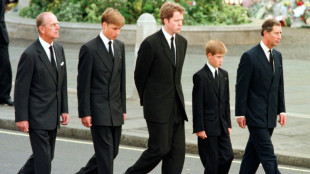 UK king braces as memoir by Diana's brother goes on sale
 No green light to lift EU sanctions on Russian oligarchs, talks to resume
 UK agrees support for Saudi in struggle with Houthis: reports

 EU foreign policy chief calls for continued sanctions on Russia

 Flights scrapped, evacuations urged as Typhoon Dujuan wallops Japan

 Fonseca to take break from tennis
 A Cuban zoo, and its animals, in epic battle for survival

 Infantino proposes consulting federations to reform FIFA

 El Nino weather pattern enters record territory: scientist
 OpenAI calls for US to lead global effort on AI standards
 South African ostriches plucked alive for luxury fashion: report
 US networks halt Trump coverage in revolt over White House ban

 Paramount settles with US states to clear Warner Bros. mega-merger

 Climate crisis a job for world leaders, not just activists: UK FM
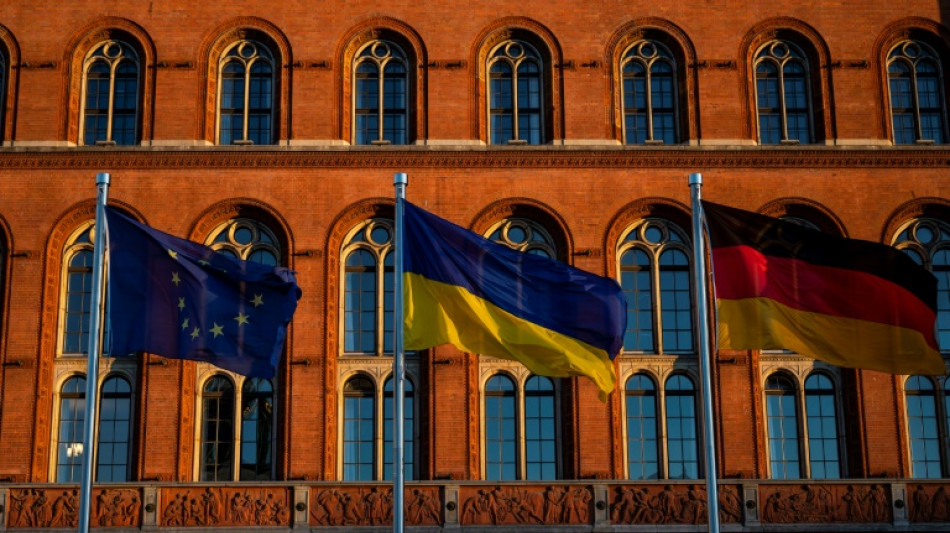
The city of Berlin started switching off spotlights illuminating its historic monuments as part of a national effort to save energy in the face of Russian gas shortages.
Some 200 buildings and landmarks including Berlin's red-brick city hall, State Opera House and Charlottenburg Palace will fall in darkness at night, officials in the German capital said this week.
"Given the war against Ukraine and the energy policy threats by Russia, it's important that we be as careful as possible with our energy," the city's chief official for the environment, Bettina Jarasch, said on Wednesday.
Jarasch of the Green party said that included consumers and industry but also public institutions, calling the darkened monuments "the right thing to do to make a visible contribution".
The policy at first affected six monuments from Wednesday night and will eventually encompass 200 buildings and landmarks and their 1,400 spotlights over the next four weeks, Jarasch's office said.
An electrical services firm will shut off 100-120 lights per day without dismantling them, keeping the policy temporary.
Thus the cash-strapped capital will not save money as the labour costs are expected to match the benefit of cutting energy use.
President Frank-Walter Steinmeier said this week he wanted to set an example by keeping his official residence, Bellevue Palace in Berlin's sprawling Tiergarten park, dark at night.
Several German cities have said they would step up efforts to trim the use of power and gas.
The centre-left-led government of Chancellor Olaf Scholz has called for weeks for a national effort to save energy amid soaring prices due to the Russian invasion of Ukraine.
German officials have also warned that the Kremlin could cut off supplies this winter in retaliation for biting Western sanctions against Moscow over the war.
The energy-savings efforts include reducing the use of air conditioning, encouraging use of public transport and pushing the use of more efficient shower heads.
Before the Ukraine war, Germany bought 55 percent of its natural gas from Russia.
Although the rate had fallen to 35 percent by early June, Europe's top economy is still heavily dependent on Russia for its energy, which it says Moscow is using as a "weapon".
On Wednesday, Russian state-run energy giant Gazprom slashed deliveries of gas through the Nord Stream pipeline to Germany to 20 percent of capacity from the previous 40 percent.
O.Krause--BTB