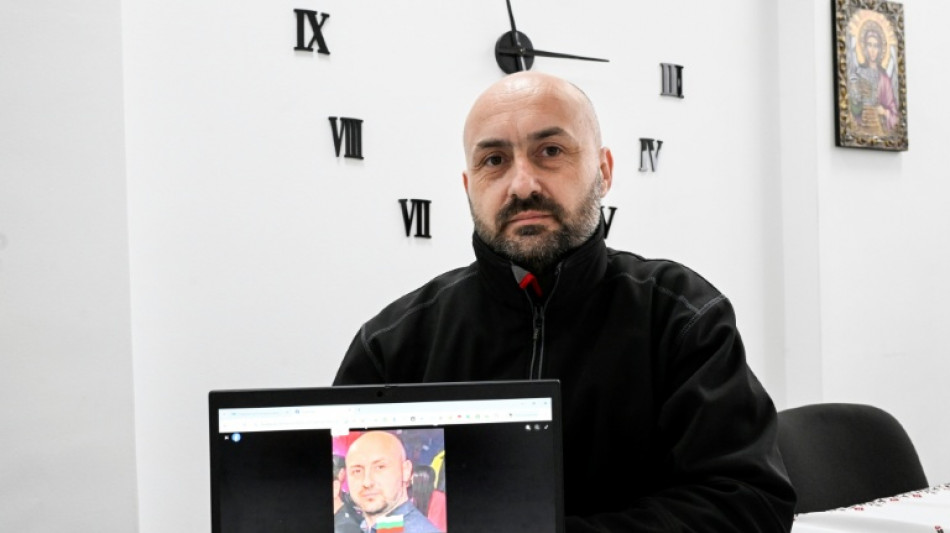
The Bulgarian mechanic Kremlin propaganda keeps killing / Photo: © AFP

 Newcomers South Korea face holders Italy in Davis Cup finals

 Japan's Kojima sounds Marchand warning with Asian Games gold

 England rugby star Pollock signs new Northampton deal
 STARTRADER Expands Its Chinese Equity CFD Range with CXMT and Unitree Robotics

 MEXC Expands Opportunity Compass with Stock Trading Handbook to Help Crypto Users Build Investment Knowledge

 England paceman Wood retires from international cricket

 Magnificent Mandhana's 79 helps India to Asian Games cricket gold

 Marchand 'stressed' about racing Japanese rivals at LA Olympics
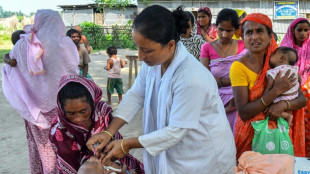 Mobile boat clinics bring healthcare to India's remote islands
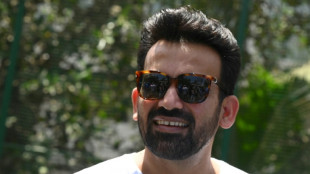 Former India paceman Zaheer Khan named Chennai coach in IPL

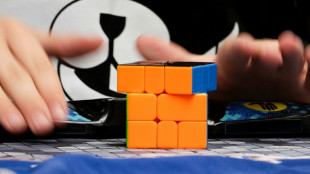 Six-year-old Chinese girl sets world record with Rubik's Cube
 Swimming prodigy Yu, 13, says 'interviews way harder than racing'
 Star coaches make their bows as Nations League returns
 Rams bounce back as Giants reel from Dart injury

 In Bangladesh, Pakistan's Jinnah photo stirs anger

 Two New Zealand naval ships transit Taiwan Strait

 Zidane gets down to work as France start new era
 Inside the Venezuelan prison meant to 'drive you insane'
 UK king braces as memoir by Diana's brother goes on sale
 No green light to lift EU sanctions on Russian oligarchs, talks to resume
 UK agrees support for Saudi in struggle with Houthis: reports

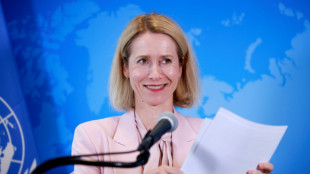 EU foreign policy chief calls for continued sanctions on Russia
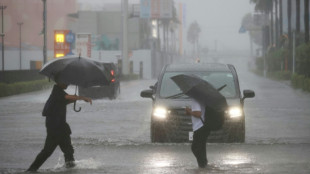 Flights scrapped, evacuations urged as Typhoon Dujuan wallops Japan

 Fonseca to take break from tennis
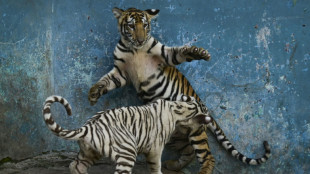 A Cuban zoo, and its animals, in epic battle for survival

For almost a decade, Nikolay Gentchev has faced a strange question: "You're not dead, are you?"
A photo of the Bulgarian mechanic has been regularly published on pro-Russian sites claiming he was burned alive by a Ukrainian mob in Odesa in the aftermath of the protests that drove the country's last pro-Kremlin ruler from power in 2014.
"When they published my photo for the first time, my friends called me to ask if I was alive," he said.
But "I've never been to Odesa or Ukraine", Gentchev told AFP.
His picture has since been used as proof that Ukrainians hate or are hostile to Bulgaria and Bulgarians.
Despite Gentchev's repeated attempts since 2017 to put the record straight, the story and his photo continue to circulate on social media and in parts of the Bulgarian press.
It resurfaced again in a Facebook post shared by thousands in late November. "Do you remember the Bulgarian burned alive in Odesa on May 2, 2014 by people from Euromaidan and the Banderites?" the post said, referring to Ukraine's 2014 protest movement and admirers of Stepan Bandera, an Ukrainian nationalist leader who collaborated with the Nazis against the Soviets during World War II and has since become a figure symbolising the fight for independence in parts of Ukraine.
The disinformation has its roots in real deadly clashes between pro-Russian and pro-Ukrainian activists in the Black Sea port city in May 2014.
More than 40 people were killed in the violence, the vast majority in a fire at the Trade Unions House. Most of the dead were pro-Russians barricaded inside the building.
"The Odesa fire story is often used to portray Ukrainians as enemies of Bulgarians," said Nikola Tulechki, a disinformation expert at data analysis company Data for Good, as a part of the Kremlin's ongoing attempt to paint Ukrainians as Nazis.
"It fits into Russia's broader narrative about the 'liberation' of Ukraine from a fascist regime," he added. Indeed that was one of the arguments used by Vladimir Putin to justify his "special military operation" the night the invasion began in 2022.
- Russia's enduring influence -
Tulechki said Russian propaganda is everywhere in Bulgaria, repeated by politicians and influencers, and even in school history classes, playing on "extremely low levels of trust in Bulgarian society, a shared past and geographic and cultural proximity to Russia."
Once the staunchest of Soviet satellites where nostalgia for the good old days of communist rule is rife, the country is fertile ground for anti-Western narratives despite now being a member of NATO and the EU.
Indeed, being the victim of Russian disinformation has not stopped Gentchev sharing lots of pro-Kremlin talking points himself on social media, even blaming Ukraine for the invasion.
Nor is he particularly angry with Russian propagandists.
"Let's say they made a mistake, that the algorithm confused people," said the 42-year-old from the central town of Kazanlak, known for its arms factories and rose oil.
"I have recovered (though) it was really tough."
On Facebook, where he has 5,000 followers, Gentchev regularly shares anti-European and pro-Kremlin posts, often railing at "corrupt politicians".
Nor was he happy about Bulgaria finally joining the euro on January 1. It "was really absurd", he said. "In reality, we don't benefit from the EU."
Asked about the terrible human toll in Ukraine, Gentchev said: "I don't know, I wasn't there, I didn't see anything. You can't trust journalists."
His hometown of Kazanlak is kept afloat by Bulgaria's largest arms factory, which churns out ammunition largely for the Ukrainian army.
"If it's not us producing these weapons, someone else will," he said.
C.Bruderer--VB