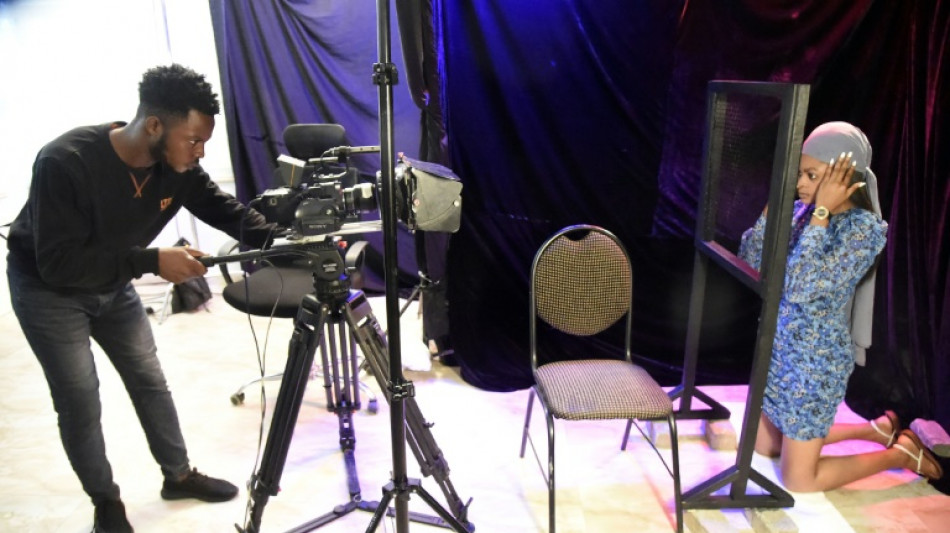
Cash-strapped Nigerians turn to YouTube for entertainment / Photo: © AFP/File

 Cummins hails 'sharp' Australia as they get back to winning ways
 Bangladesh eye more Australia Tests to hit next level

 Thousands expected at Sweden climate demo as election looms

 Starc heroics put Australia on brink of victory over Bangladesh
 Austrian mountain town finds niche in AI boom

 Messi scores but Miami slump continues with loss to Toronto

 Sydney marathon unveils medal with wrong stadium

 Macron hosts Saudi's MBS for visit ranging from esports to Mideast

 Australia in control with 146-run first innings lead over Bangladesh
 World No. 3 Pegula beats defending champ Swiatek to reach Cincy final

 Wyndham Clark surges clear at BMW Championship

 Maresca says Man City must fill Rodri void after Barca switch

 Canada retaliates as trade war with US escalates

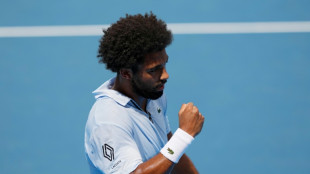 Fils dominates Cobolli to book Cincinnati final

 Spurs lacked fight in dismal defeat at Brentford says De Zerbi
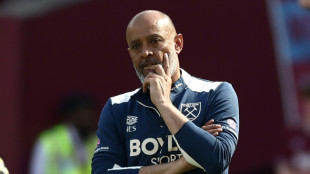
 Inter thrash Monza to launch Serie A title defence

 Shambolic Spurs battered by Brentford
 Pogacar wins Vuelta a Espana opening stage

 Clinical New Zealand shock wasteful South Africa in first Test
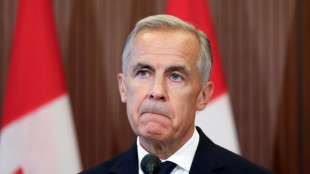
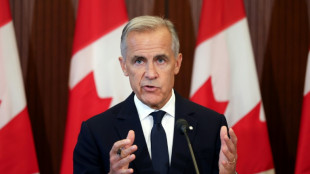 Canada hits back with new tariffs after trade talks with US fail

 Swedish police identify 17-year-old girl as victim in school sword attack

 Carrick keeps calm despite Man Utd misery, Sage beaten in first game as Palace boss

 France to deliver interceptor missiles to Ukraine after new Russian strikes

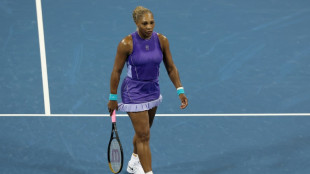
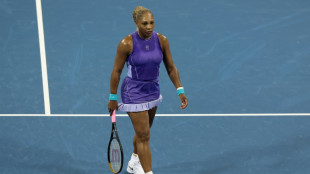 Serena Williams and Alcaraz unite in US Open mixed doubles
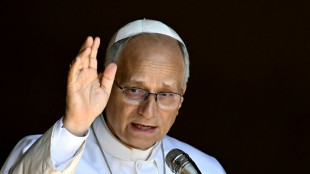
 Macron pledges air defence as 13 killed in Russia, Ukraine strikes
"Love in Every Word", a movie by Nigerian filmmaker Omoni Oboli, racked up over 20 million views on YouTube in the first three months of this year, like many Nollywood productions.
It points to a shifting pattern as Nigerians grapple with one of the toughest economic crises in decades after President Bola Tinubu halted petrol subsidies that kept prices all round low and stopped support for the local currency.
Streaming platforms, cable TV and internet service providers are meanwhile on a price-hiking spree that has put off many clients.
Netflix increased monthly subscription fees twice last year to 7,000 naira ($4.50) from 4,400 naira for its premium package -- a substantial amount in a country where, according to the World Bank, over half of the 230 million people live in poverty.
Many people are slashing their entertainment budget, including cable and streaming subscriptions, according to Lagos-based think tank SBM Intelligence.
Nollywood, Nigeria's massive film industry, releases an average of 50 movies weekly, the second most prolific film industry in the world after India's Bollywood.
Health worker Adeleke Adesola, 31, from the southwestern city of Ibadan, has switched to watching movies on YouTube, driven not just by costs, but for its interactive nature.
"I feel good when I read a comment that speaks my thoughts about a scene or the movie. Also, because I don't have to pay monthly subscription to have access to YouTube movies," she told AFP.
Africa's pay TV giant MultiChoice reported losing nearly a quarter of a million subscribers between April and September 2024.
- Production cuts -
Despite an uptick in subscriptions last year, streaming juggernaut Netflix has cut back on commissioning new productions in Nigeria.
Prime Video has also adopted the same approach.
With movie tickets now considered a luxury by millions in the west African economic powerhouse, consumers and filmmakers are veering to YouTube and other cheaper alternatives.
Filmmaker and co-founder of iBAKATV YouTube Channel, Kazeem Adeoti, said the number of full-length movies on YouTube had grown tremendously.
Several top actors own YouTube channels to directly distribute their movies to consumers, he said.
- YouTube movies 'cheaper' -
Income from YouTube depends on factors such as watch time, audience engagement, copyright ownership and viewers' location.
"We see consistently high watch time... indicating strong audience interest in Nollywood content," Taiwo Kola-Ogunlade, spokesman for Google West Africa, told AFP.
"This increased watch time not only benefits the creators but also results in higher ad revenue for YouTube."
Seun Oloketuyi, film producer and founder of the Best of Nollywood (BON) awards, said YouTube had become more appealing to filmmakers as there were no specifications on the types of cameras to be used, the quality of costumes or the language mixes.
"Movies shot for YouTube are significantly cheaper than those to be screened at cinemas or on the digital streaming platforms," Oloketuyi said.
"It seems like a win-win for filmmakers who can spend significantly less on production, maintain ownership rights of the movies and still make good money."
Netflix and Prime say they don't plan on exiting Nigeria, but the contract terms for Nigerian filmmakers have now changed.
Nigerian films to which Netflix has screen rights are restricted to African viewers, leaving YouTube as the major alternative for the diaspora.
G.Haefliger--VB