Social media firms raise 'serious concerns' over Australian U-16 ban / Photo: © AFP/File

 Devan Ekambaram and Susha’s 'Varuvaaiy' Makes History as First Tamil Song Nominated for a Grammy

 Miranda Lambert Leads North Texans with Seven Grammy Nominations for 2027

 DiDi Advances Robotaxi Operations in China with New R2 Vehicle and Expanded Safety Infrastructure

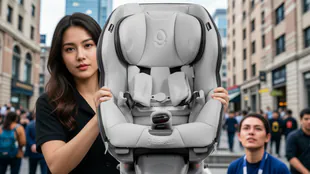 Smart Car Seats Tested: Do Sensors and Apps Actually Improve Safety?

 5 Strategies for Fort Worth Households to Reduce Summer Electricity Costs
 Central Bank of Malta Links Energy Subsidies to Middle East Conflict and Price Volatility

 Shomari Figures Defies Redistricting in Alabama Amid Disaster Relief Crisis

 BYD Dolphin G Leasing Deal: Plug-in Hybrid Supermini Available from £174 a Month

 Egypt Opens Registration for 2027 Total Solar Eclipse Viewing Packages

 French Economy Shrinks 0.1% as Consumer Confidence Slumps

 Wall Street Ends Turbulent Week Higher Despite Inflation and AI Jitters
Australia's proposal to ban under-16s from social media platforms is "rushed", social media companies claimed Tuesday, expressing "serious concerns" about potential unintended consequences.
The landmark legislation would force social media firms to prevent young teens from accessing their platforms or face fines of up to Aus$50 million (US$32.5 million).
Platforms such as X, Snapchat, TikTok, and Meta have criticised the 24-hour time frame given for stakeholder comments, claiming a lack of consultation and inadequate details about how the legislation would work.
X said in its submission that it had "serious concerns" the ban would have "a negative impact" on children, adding it breached their "rights to freedom of expression and access to information".
The company added that the proposed law was "vague" and "highly problematic" and that there was "no evidence" that it would work.
Australia is among the vanguard of nations trying to clean up social media, and the proposed age limit would be among the world's strictest measures aimed at children.
The proposed laws, which were presented to parliament last week, would also include robust privacy provisions that require tech platforms to delete any age-verification information collected.
The government is trying to approve the law this week, before parliament breaks for the rest of the year.
Meta, which owns Facebook and Instagram, said in its submission the ban would "fail" in its current form because there was not enough consultation with stakeholders.
"More time should be taken to get this bill right," it said.
TikTok raised concerns over the privacy provisions -- including that they overlapped and contradicted other legislation -- and the limited time to consult stakeholders.
"Its rushed passage poses a serious risk of further unintended consequences," the company's submission said.
Key details about how social media companies are expected to enforce the ban remain unclear.
Some companies will be granted exemptions from the ban, such as YouTube, which teenagers may need to use for school work or other reasons.
Once celebrated as a means of staying connected and informed, social media platforms have been tarnished by cyberbullying, the spread of illegal content, and election-meddling claims.
Australian Prime Minister Anthony Albanese insisted Tuesday that "social media is causing social harm".
"It can be a weapon for bullies, a platform for peer pressure, a driver of anxiety, a vehicle for scammers and, worst of all, a tool for online predators," he wrote in an opinion piece.
"And because it is young Australians who are most engaged with this technology -- it is young Australians who are most at risk."
The laws would give families "peace of mind" that their children's well-being and mental health were being prioritised, he said.
If the proposed law passes, tech platforms would be given a one-year grace period to figure out how to implement and enforce the ban.
The proposal comes just months before Australians go to the polls in a general election that must be held in the first half of 2025.
K.Sutter--VB