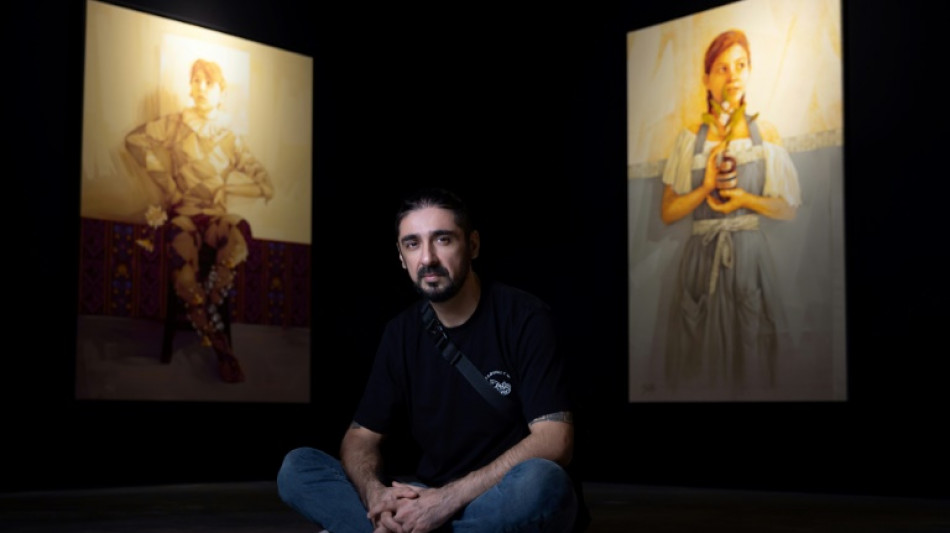
Does street art belong in a museum? / Photo: © AFP

 Wellalage and Mendis star as Sri Lanka level England ODI series
 Guyana urges Venezuela at UN to respect ICJ's ruling on Essequibo region
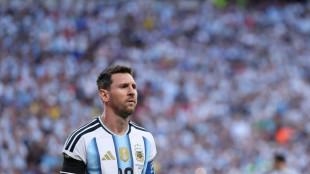 Argentina coach says Messi deserves to go out on own terms
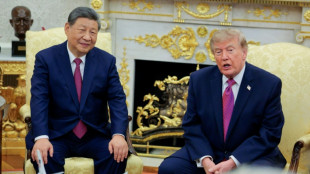
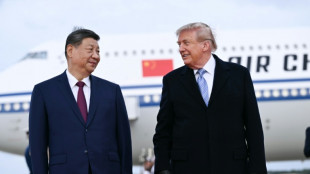
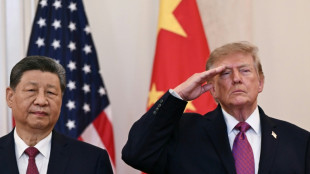 Xi sets red lines for Trump despite lavish White House welcome
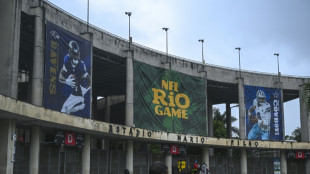 Cowboys, Ravens happy with footing for first Rio NFL clash
 Starbucks to close 250 more cafes in North America
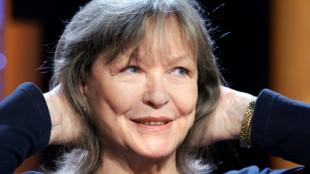 French actress Marina Vlady dies at 88

 CNN, MS NOW, Politico allowed back in White House after judge's order
 Morocco's ruling coalition dominates low-turnout parliament election
 Napoli hoping to build new stadium, says owner
 What's behind the Pakistani strikes on Afghanistan?
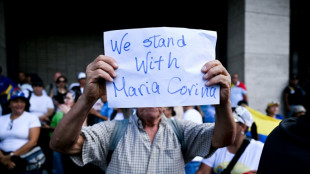 Hundreds protest for return of Nobel peace laureate Machado to Venezuela
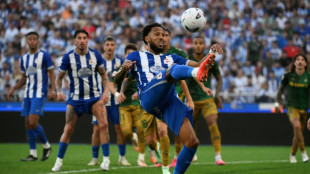 Aubameyang to miss two months for Deportivo after knee surgery

 Newsom says Trump presidency 'as we know it' ends in November

 Stocks fall as oil prices rise and bonds back under pressure
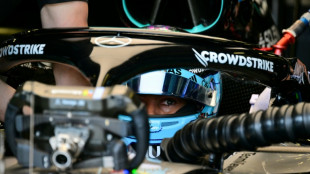 Russell leads Mercedes 1-2 in Azerbaijan GP practice
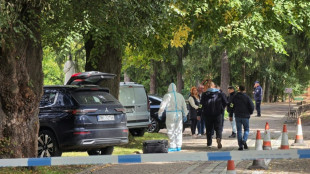 Ukrainian kills priest, wounds four at Polish abbey
 Sri Lanka captain Mendis hits century in 321-6 against England
 Oscar-winner Cotillard fears being moved by AI actor
 Agassi demands proper break for exhausted tennis stars

 Seixas 'crushes' teammates in training to draw Pogacar comparisons
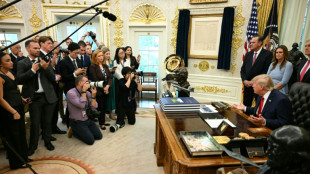
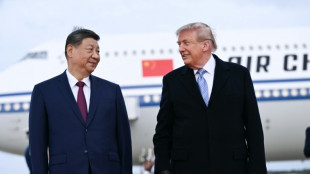 Trump welcomes Xi to White House, touting agreement on AI
 Stocks fall, oil prices rise as global bonds back under pressure
 UK man died putting women, children first in Mozambique jihadist siege: coroner
 Russell leads Mercedes 1-2 at Azerbaijan GP practice
Invaders in the Petit Palais: some 60 of the world's most renowned street artists have been invited into the rarefied confines of a Paris institution, even if some admit it raises questions about whether they belong.
The Beaux-Arts palace on the banks of the Seine houses an illustrious selection of 19th-century painting and sculpture.
But the "We Are Here" exhibition sees the street artists infiltrate it with graffiti, murals and graphics dotted among the portraits -- even adding cartoon wings to statues.
Some merge almost too well -- a freshly made portrait by Tunisian artist DaBro looks perfectly at home in a cluster of solemn 19th-century street scenes until you realise it features break-dancers.
Others are more jarring, such as the pixelated alien by the French artist Invader sitting above a Monet sunset.
It is, say some of the artists, a logical step.
"Street art always has the spirit of invasion. We always want to take over spaces that are not open to us," said Inti, a Chilean artist who provided a huge mural.
But the exhibition has also made him question himself, he told AFP: "To enter into a closed space like this is to enter into an institution -- it's a bit counter to what we try to do outside."
He was concerned, too, that street art has become too commercialised, undermining its rebellious spirit.
A painting by US artist Jean-Michel Basquiat, who started out in street art before moving into galleries, sold for $110 million in 2017; a shredded artwork by Britain's guerilla street artist Banksy went for $25 million in 2021.
Hush, a street artist from the north of England, agrees that art movements die when they become too accepted by the establishment.
But its ethos still challenges the elitist atmosphere of galleries, he said.
"As a working-class guy, you don't always feel accepted in art museums. With street art, everyone feels allowed to come in," he told AFP.
"And you can still be disruptive, you can still have fun. The good thing with being from this scene is you don't feel like you have to say yes. It means we're still in control."
- 'Buried underground' -
One of the first items to strike visitors is a giant aerosol can emerging out of the ground with cartoon wings, courtesy of London-based artist D*Face.
"It represents the fact that we've been buried underground and often overlooked and now we're coming up to be seen," he said.
The timing is right, he added, with France plunged into political turmoil this week by a far-right landslide in European elections.
"Urban art is really the first global art movement. You go anywhere in the world and there is a street art community," said D*Face.
"It's all about inclusivity, whereas politics right now is trying to divide us."
Also present is Shepard Fairey, aka Obey, renowned for his "Hope" posters for Barack Obama's presidential campaign.
His "Liberty, Equality, Brotherhood" shows French figurehead Marianne with a blood-red tear running down her cheek, made in response to terrorist attacks in Paris in 2015.
"The thing I love about street art is that it brings people together, it's got a generous spirit," he said. "Anything that makes people think about their common humanity rather than selfish protectionism is very valuable for this moment."
But can street art maintain that political relevance if it becomes too accepted by the elite?
"We've been saying street art is dead since its inception and it has kept evolving," said Hush.
"But it has come full circle. Street art was against the people who could say yes or no.
"And now they say yes to us."
M.Schneider--VB