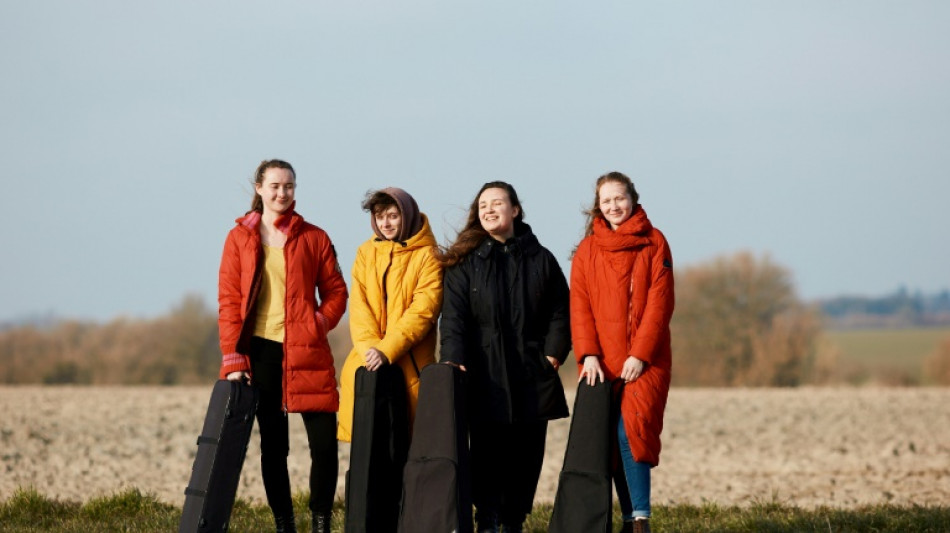
'All we have is our talent': Ukraine violinists find peace in Denmark / Photo: ©

 Macron welcomes Canada's Carney to French Atlantic territory
 Fiorentina frustrate Napoli with Serie A draw, Como upset

 Five-star Man City top Premier League after Sunderland thriller
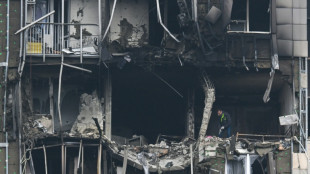 Ukrainian drones hit Moscow on last day of Russian elections
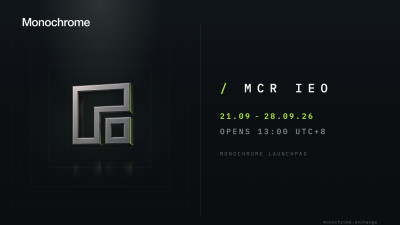 Multi-Asset Trading Venue Monochrome Exchange Announces IEO of Its Native Token, $MCR
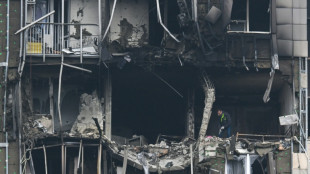
 South Korea break Japan hearts to win Asian Games basketball gold
 Acosta takes first victory at Austrian MotoGP

 PSG president Nasser al-Khelaifi under investigation in France for conflict of interest

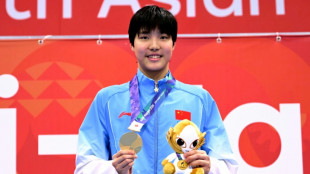 China swim sensation, 13, sets Games record after Japan win early
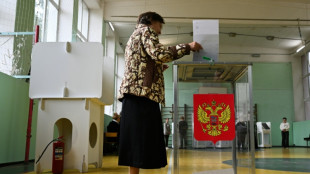 Drones hit Moscow as Russians go to the polls
 New England boss Fleming says 'wrong' to ask Stokes to end retirement
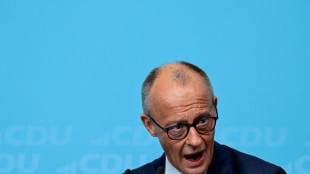 Germans vote in elections threatening fresh blow to Merz
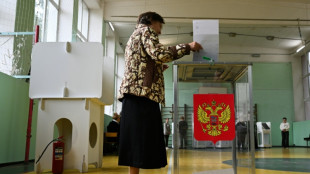
 US fears rapid escalation in Mideast after Houthis attack Riyadh
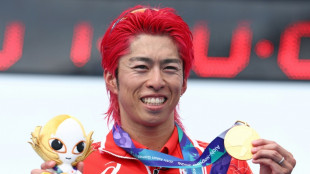 Japan triathlete Hojo wins first gold of Asian Games
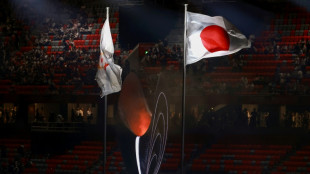
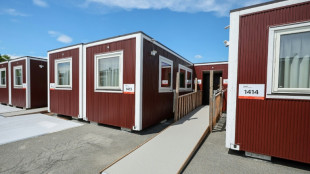 IOC president impressed by 'beautiful' Asian Games wooden huts

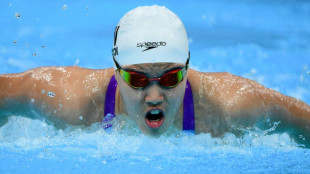 First Asian Games gold goes to Japan as China's 13-year-old Yu lights up pool
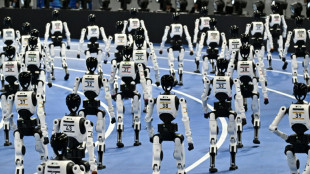
 Data centre command hub keeps AI up and running
 Pope Leo in France: the issues on the table
 Packing for a pope: behind the scenes on foreign trips

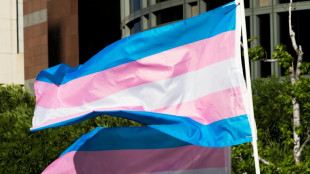 Republicans find transgender issues a powerful political weapon in midterm campaigning

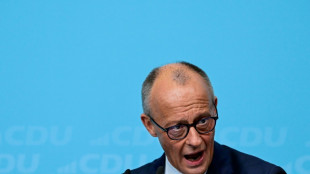 German state elections threaten new shock waves for Merz

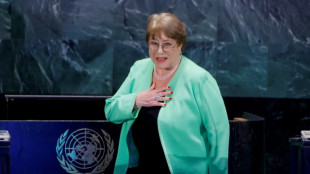 Chile's Bachelet quits race to be next UN chief

 Raphinha treble fires perfect Barca to win at Sevilla
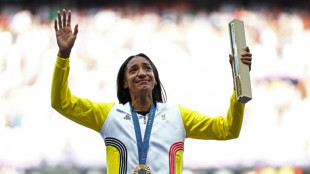 Thiam makes winning heptathlon return at Decastar meet

 Czechs beat USA to qualify for Davis Cup finals
With three friends, all violinists like her, Nadia Safina fled the invasion of Ukraine to find peace at a music school in Denmark, a horrific ordeal that took 10 days.
Now, "all we have is our talent. Not boots. Not clothes, not jewellery. Only our talent and our instruments," the 24-year-old says, a weary look of despair in her eyes.
Safe but with her "heart in pain", she arrived this week in Stevns, an hour outside Copenhagen, far from the bombs falling on her hometown of Kharkiv in eastern Ukraine which she fled on the first day of the war.
The four women are now at the Scandinavian Cello School, which frequently welcomes artists from around the world but is now focusing exclusively on bringing over Ukrainian musicians.
"We support them with exactly the same conditions as everybody else. We give them a place to study and to stay for free, and food," the school's director Jacob Shaw says.
Thanks to his professional network, he was able to arrange for the four women's exodus on the first day of Russia's invasion on February 24.
The school is now hosting six Ukrainian musicians who have fled the war, and three more are expected in the coming days.
Nadia and her fiance Misha, both alto violinists, and his sister Ksenia Kusherova, also a 24-year-old violinist, had already planned to come to the school before the war broke out.
"On February 24th, we woke up to the sound of bombs. It was scary. Really scary. Panic broke out everywhere in our dormitory, and we just packed up our stuff," says Nadia, still shaken by the events.
Their first stop was her mother's place in Donets, a village in the nearby countryside. Then the women went to Lviv, where they picked up Ksenia's family, and left for Poland.
They travelled by car, train and bus to reach Warsaw.
"In Lviv, we waited eight hours on the platform in zero degrees and we couldn't get on a train."
Like all able-bodied men aged 18 to 60, Misha was not allowed to leave Ukraine. He returned to his hometown of Kriviy Rig in central Ukraine.
Since then, Nadia has worried for his safety.
The two are in constant contact.
"We send messages, we speak every day, every hour."
- 'Just want to return home' -
Nadia thinks back on her life before the war.
"I had three jobs, my studies, my students, my colleagues. I had everything I needed. And I had very big plans for my life."
The conservatory and university in Kharkiv have since been bombed, the instruments destroyed.
Her professor is still there, in a shelter, caring for his disabled mother.
"We can't imagine what the future holds because they don't stop bombing us. We can't plan anything," she says despairingly.
"I just want to return home, I want God to save our friends and our families. That is my plan now," she says.
"But Putin is crazy. He won't stop anytime soon."
In Stevns, a pastoral oasis nestled between the sea and countryside, she has a tidy room under the rafters.
She practises her alto violin, either in her room or in the music hall in another building on the grounds, formerly a farm.
With their friends Olesia Kliepak and Marharyta Serdiuk, who had to hide for several days in Kharkiv before joining the others in Poland, Nadia and Ksenia now appreciate the tranquillity in Stevns, though they are still sick with worry.
A few hundred metres away, the beach provides some solace.
Denmark is known for its ultra-restrictive asylum and refugee policy, but it has welcomed Ukrainians with open arms, making exemptions to its strict curbs to facilitate their entry to the labour market, among other things.
The Scandinavian country of 5.8 million has said it is ready to take in up to 20,000 Ukrainians.
Since the start of the conflict to March 8, around 850 Ukrainians had sought asylum or applied for a work permit.
O.Bulka--BTB