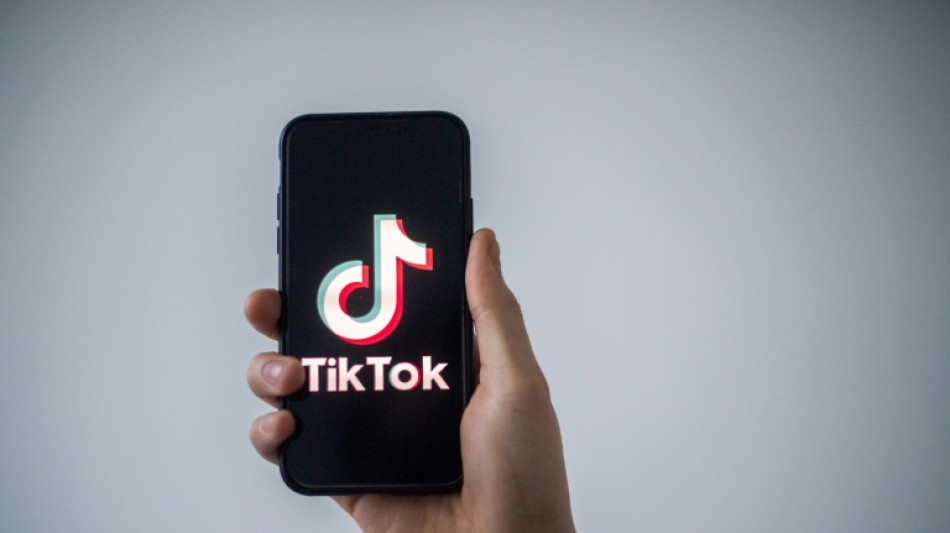
One billion users, but trouble mounts for TikTok / Photo: © AFP/File

 Cambodia no 'safe haven' for cyberscams, PM says

 North Korea weightlifter sets three world records for Asian Games gold

 A Full Moon for Every Child: STARTRADER's STARCARES Brings Support to SOS Children's Village Ho Chi Minh City

 Meta leans into AI, smart glasses amid privacy pushback

 Battered Duerer masterpiece up for five-year revamp

 Trump met with Venezuela's interim leader at UN

 Malaysia furore after Najib wins conditional house arrest

 Italy hope for new dawn under Mancini

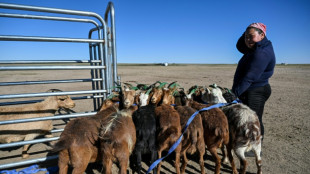 Mongolian herders enlist new tech against harsher, drier climate
 Tata turmoil shines light on India succession woes
 World Cup 'not enough' as Spain begin next chapter

 Meta acts against 3.7 mn scammers' accounts with Singapore police help

 Australia PM says draft social media rules about taking back control

 Voting opens in Alaska's annual Fat Bear Week
 MLS coach axed for telling female ref 'It's a man's game'

 US refuses to give Sudan's de facto leader visa for UN
 Man City hold Bayern to start Women's Champions League, Arsenal win late
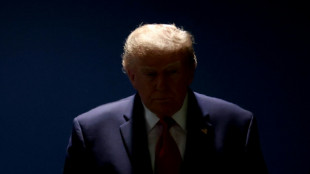
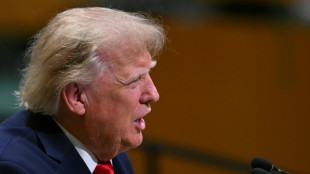 Trump threatens Iran with 'hell' but reveals fresh talks

 Trump signs security deal with Greenland, Denmark at UN
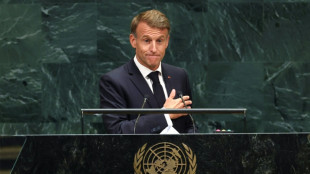
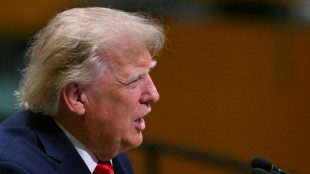 Trump threatens Iran with 'hell' but unveils fresh talks

 Chile's Atacama Desert blossoms with life after El Nino rains

 Sri Lanka hands 220-year jail terms to 15 convicted of Easter bombings
 Typhoon Dujuan leaves 7 dead in Japan from landslides, flooding: media

 Ganna and Borghini lead Italy to mixed relay gold at cycling worlds
 Drug cocktail killed former child star Hayden Panettiere: coroner
TikTok's breakneck rise from niche video-sharing app to global social media behemoth has brought plenty of scrutiny, particularly over its links to China.
Several governments have banned the app from their equipment over fears that data could be viewed by officials in Beijing, and the United States is now trying to force Chinese parent company ByteDance to sell its prized asset.
So is TikTok a spying tool for Beijing, a fun video-sharing app, or both?
- Under pressure -
Global action against TikTok kicked off in earnest in India in 2020.
It was among the Chinese apps barred after deadly clashes on the border between India and China, with New Delhi saying it was defending its sovereignty.
The same year, US President Donald Trump threatened a ban and accused TikTok of spying for China, an idea that has gained ground in Washington.
TikTok has admitted ByteDance employees in China accessed details of American accounts but it has always denied turning over data to the Chinese authorities.
The company tried to soothe fears over data in the United States and European Union, promising to eventually store data of local users on local servers.
But the US federal government and the European Commission have both now banned the app from their employees' devices.
And the US is pushing even harder, with a threat to ban the app outright unless TikTok separates from ByteDance -- echoing the threat made by Trump.
- One billion users -
Bans have not halted TikTok's growth.
With more than one billion active users it is the sixth most used social platform in the world, according to the We Are Social marketing agency.
Although it lags behind the likes of Meta's long-dominant trio of Facebook, WhatsApp and Instagram, its growth among young people far outstrips its competitors.
Almost a third of TikTok users are between 10 and 19 years old, according to the Wallaroo agency.
Its rapid rise saw it grab more than $11 billion in advertising revenue last year, a threefold increase in a single year.
TikTok's competitors quickly copied its short video format and continuous scrolling, but to little avail.
- Creator appeal -
TikTok's editing features and powerful algorithm have kept it ahead of the game, attracting an army of creators and influencers.
But the algorithm is opaque and often accused of leading users into digital content silos.
TikTok and ByteDance employees also manually increase the number of views on certain content, executives reportedly admitting that they boosted content related to last year's World Cup and Taylor Swift's debut on the platform.
TikTok has said manual promotion only affects a tiny fraction of recommended videos.
- Disinformation -
The app is regularly accused of spreading disinformation, putting users in danger with hazardous "challenge" videos, and allowing pornography, even though it is supposed to prohibit nudity.
French news site Numerama reported a TikTok "trend" recently that involved publishing photographs of penises.
Several children have also reportedly died while trying to replicate the so-called blackout challenge, which involves users holding their breath until they pass out.
And around one-fifth of videos on topical issues such as the Russian invasion of Ukraine were found to be fake or misleading, according to a study by misinformation group NewsGuard.
AFP, along with more than a dozen fact-checking organisations, is paid by TikTok to verify videos that potentially contain false information. The videos are removed by TikTok if the information is shown to be false by AFP teams.
M.Ouellet--BTB