
Iran war leaves Islamic republic intact and opponents divided / Photo: © AFP

 Reigning champ Knicks earn first win against Pistons

 Runners swap streets for shopping malls as haze chokes Singapore
 Billionaire Ambani's Jio to debut after record India IPO
 UK set for cautious budget as borrowing costs climb
 Anthropic's record IPO faces some big questions

 US Fed expected to hold rates steady ahead of key midterm elections

 Can this Latin Grammy-winner help Democrats win back Congress?
 Tuvalu has 'limited' power to halt its fossil fuel investments: NZ govt papers seen by AFP
 Palestinian activist Khalil returns to Columbia after US detention
 Trump drastically loosens oil and gas methane rules

 French Senate weighs bill to make protesters pay for unrest damage

 'A very sad day': Arteta despair as Arsenal stunned by Fleetwood
 Charles tackles thorny legacy of slavery on Caribbean trip

 Former Grand Slam winner Wawrinka ends tennis career

 Brazil's Flavio Bolsonaro flees to US after election loss
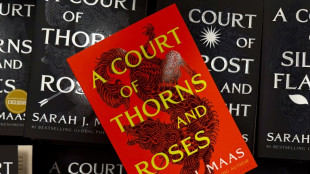 'Faerie' nights: 'ACOTAR' fans finally get their book
 American woman convicted of getting military training from Islamic State
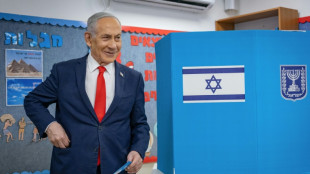 Israel opposition holds narrow edge over Netanyahu in first projections

 Floriani hits maiden goal as Lazio go top
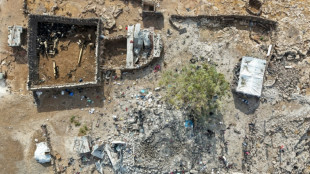
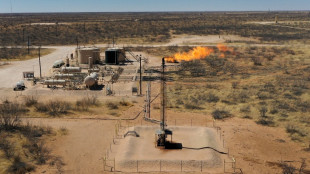 Trump set to drastically loosen oil and gas sector's methane rules

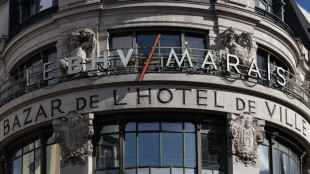 Storied Paris department store seeks bankruptcy protection
 Xhaka, Embolo can return to Swiss squad after fake Covid docs affair
 Allegri suspended for two Serie A games after red card
 Flight data, satellite images reveal growing US role at Ecuador base
 McInnes feels 'guilt' ahead of Hearts return with Rangers
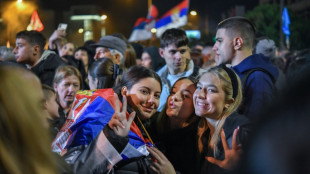
The Iran war was cast as a catalyst for the Islamic republic's collapse, but months of fighting failed to dislodge the clerical leadership and left its opponents out in the cold.
US President Donald Trump said in launching the war with Israel on February 28 that it would pave the way for Iranians to rise up, having pledged support to anti-government protests that peaked in January and were the most serious challenge to the Islamic republic in years.
The fractured opposition movements outside Iran clambered to position themselves as successors to the ruling system when the war began with the killing of the supreme leader in US-Israeli strikes.
But the Islamic republic exited the war intact, with opposition groups outside the country more divided than ever and dissidents in Iran facing a new wave of repression, experts and rights groups say.
Reza Pahlavi, the exiled son of the last shah, failed to emerge as a unifying figure, while prominent dissidents inside Iran, including Nobel laureate Narges Mohammadi, are still under pressure from the authorities.
"There could have been an extra motivation for the various factions in opposition to really try to seize the moment... but that has simply not been the result," said University of Ottawa professor Thomas Juneau.
"If anything, infighting among the opposition in exile has intensified," he added, while domestic opposition "has been severely weakened" after decades of repression.
Some inside Iran voiced hope in foreign intervention after the nationwide protests that were spurred by severe economic pains and ended in a violent crackdown that rights groups said killed thousands of people.
But hope dimmed as the Islamic republic not only endured, but imposed fresh security crackdowns and an internet blackout that along with the war's death and destruction only deepened economic suffering.
- 'Peace with my executioner' -
"This war was never about the human rights of the Iranian people," said Mahmood Amiry Moghaddam, director of Norway-based NGO Iran Human Rights, as authorities instead "used the war as a pretext to intensify domestic repression".
"Democratic change must come through the Iranian people, not through foreign military intervention," he said.
US Vice President JD Vance this week insisted the war was about ending Iran's nuclear programme and that Trump's stance had always been that if the "Iranian people want to rise up, great. That's their business".
Still, Iranians inside the country and opposition leaders have voiced a sense of betrayal at the US-Iran deal to end the war.
"However hard they try to decorate the deal in pretty bows, it will only empower them (the Islamic republic) to oppress us more," said Tehran resident Sima, 34, who did not give her full name for fear of reprisal.
"Any form of peace with the Islamic republic would feel like making peace with my executioner."
The deal's reception from prominent opposition figures was chilly.
"Dealing with this regime will fail and we will all face the consequences," Pahlavi wrote on X, warning that negotiating with the Islamic republic after the protest crackdown "is morally wrong and strategically misguided".
Pahlavi saw the biggest boost in media attention from the January demonstrations after protesters shouted the name of the family dynasty.
But he failed to win the backing of Trump, who has not thrown his weight behind any Iranian opposition figure.
- Political prisoners -
The protests and their fallout also did not spur new efforts to build an opposition coalition, Juneau said, with different factions organising their own solidarity rallies abroad.
Maryam Rajavi, leader of the People's Mujahedin opposition group, hit out at both the Islamic republic and monarchists in a reaction to the US-Iran deal, saying only that they had "wished for war".
She welcomed "any agreement aimed at ending the war and the suffering of the Iranian people", and called for it to include ending executions of political prisoners.
This was not mentioned in the memorandum of understanding signed on Wednesday, according to texts released by both sides.
Rights groups and the United Nations have sounded the alarm over a surge in Iran in executions -- more than 40 since the war started -- and arrests in recent months, including many in connection with the protests the authorities called "terrorist riots".
Among opposition figures imprisoned in the country, Mohammadi nearly died during the war from a heart condition, according to her supporters.
Amnesty International's Agnes Callamard warned against a deal that ignores the risks to Iranians opposing the Islamic republic.
"Protesters, dissidents and others advocating for fundamental political change remain at grave risk of further atrocity crimes by the Iranian authorities," she said.
R.Braegger--VB