
-
 EU fines Google 890 mn euros, risking US fury
-
Norway set to make formal complaint to FIFA over Balogun red card saga

-
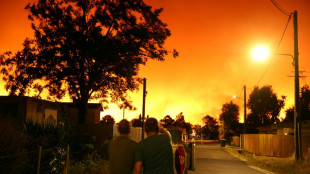 France evacuates thousands of tourists as fire rages in pine forest
-
Floods in northeast India kill at least 41

-
 French Jewish DJ sues after activists disrupt stage show: lawyer
-
Nestle siphons off bottled water business into joint venture

-
 Nokia says AI, cloud boosted sales in second quarter
-
Hundreds hospitalised in Japan heatwave 'disaster'

-
 Repsol says profit more than triples on higher oil prices
-
Renault says sales stalled in first half

-
 TotalEnergies says profit doubled on Mideast war
-
EasyJet says profits nosedive on Mideast war

-
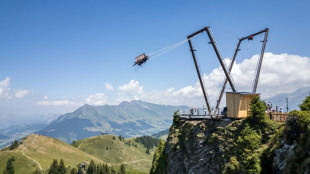 Giant swing on Swiss peak aims to boost summer tourism as Alps warm
-
Modi vows punishment for exam fraud fuelling India protests
-
 ASEAN to call for open straits as US-Iran war casts shadow
-
Six candidates in race to lead UN set for televised debate

-
 AI catches up with humans to score 100% at top maths contest
-
Comic-Con kicks off with Marvel's return

-
 South Korea election office raided in fake turnout figures probe: investigators
-
Dutch riders dreaming of crazy party corner of Alpe d'Huez

-
 Killer whales: orcas blow fish to bits 'for fun', study finds
-
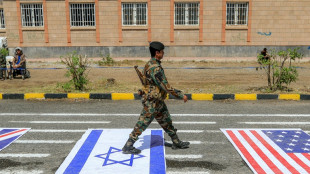
Houthis target Red Sea shipping as US hits Iran
-
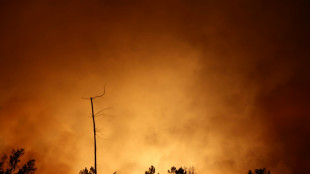 Deadly wildfires force thousands from homes in parts of Europe
-
Record-equalling Red Sox streak halted at 15 wins

-
 Tech bounce lifts Asia stocks, oil extends gains on US-Iran fears
-
Messi-less Miami beat Fire 3-2 to spoil Lewandowski's MLS debut

-
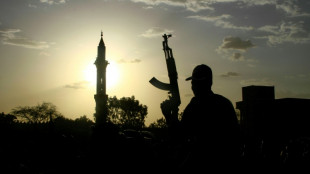 Surrounded by militias, Sudanese fear endless cycle of war
-
Mercedes expect Hungary challenge from Hamilton and Ferrari

-
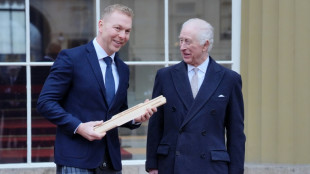 Commonwealth Games 'where champions are made' despite slimmed down model, argues president
-
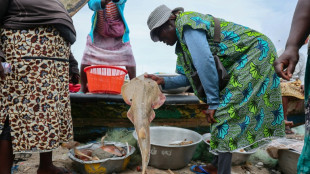
In Ghana, one man's race to save critically endangered fish
-
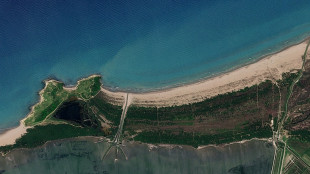 Trump family project in Albania has already caused 'irreparable' damage: NGOs
-
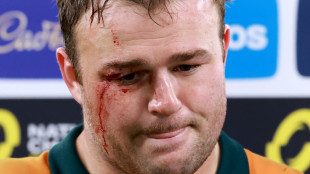
Wilson captain, Slipper absent in Kiss's first Wallabies squad
-
 Bollywood blast master keeps it real with fire and fury
-
New Mideast fighting puts eurozone rate-setters on alert

-
 Tearful fights, edible offerings: A glimpse into the Maradona trial
-
Venezuelans search for animal companions lost in the quakes

-
 What's the deal with peptides? The hyped market under US review
-
Argentine Football Association says US did not detain its president
-
 Tesla shares fall as Musk touts ambitious -- and costly -- plans
-
June heatwave cost UK economy more than £1bn: study

-
 Houthis claim Red Sea tanker strikes as US hits Iran again
-
Google-parent Alphabet beats expectations, cloud revenue nearly doubles

-
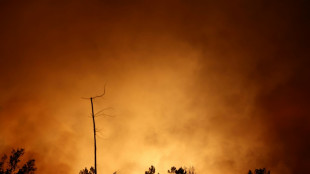 Wildfires ravage parts of southern France, Italy and Spain
-
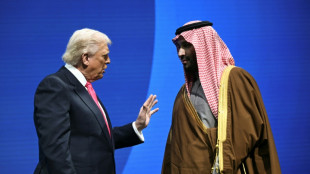
US announces civilian nuclear deal with Saudi Arabia
-
 Alphabet beats expectations in second quarter, cloud revenue nearly doubles
-
Tesla shares dip after profit misses expectations

-
 Trump threatens Iran infrastructure, Tehran vows 'eye for eye'
-
Red Sox tie club record with 15th straight MLB win

-
 US teen withdraws lawsuit against Meta over social media addiction
-
US eyes offshore nuclear reactors
US-Iran truce enters second day as war flares in Lebanon
The fragile truce between Iran and the United States entered its second day on Thursday, with Tehran threatening to resume hostilities as Israel launched a major bombardment of Lebanon.
Washington and Tehran both claimed victory after agreeing to a two-week ceasefire and negotiations aimed at ending a war that has killed thousands across the Middle East and sparked global economic upheaval.
But the deal's fractures emerged quickly on Wednesday as Israel carried out its heaviest strikes on neighboring Lebanon -- including in densely packed central Beirut -- since the Iran-backed militant group Hezbollah joined the war in early March.
At least 182 people were killed and nearly 900 wounded on Wednesday, the Lebanese Health Ministry said.
Israel said its battle against Hezbollah was not part of the US-Iran truce agreed late Tuesday, an argument echoed by US Vice President JD Vance, days before he is due to lead talks with Tehran in Pakistan.
"If Iran wants to let this negotiation fall apart...over Lebanon, which has nothing to do with them, and which the United States never once said was part of the ceasefire, that's ultimately their choice," he said.
But Iran's parliament speaker Mohammad Bagher Ghalibaf appeared to threaten the ceasefire, posting on X that the "workable basis on which to negotiate" had already been violated, making further talks "unreasonable".
Ghalibaf listed three alleged US violations of the truce plan: the continued attacks in Lebanon, a drone entering Iranian airspace, and a denial of the country's right to enrichment.
Adding to the fragility of the truce -- agreed hours before a deadline set by US President Donald Trump -- a senior US official said Iran's 10-point plan was not the same set of conditions the White House had agreed to in order to pause the war.
In Lebanon, where UN rights chief Volker Turk called the scale of killing "horrific", strikes across the capital Beirut without warning triggered scenes of horror and panic.
"People started running left and right, and smoke was billowing," said Ali Younes, who was waiting for his wife near Corniche al-Mazraa, one of the areas targeted.
More than 1,700 people have been killed in Lebanon since Israel launched airstrikes and a ground invasion last month, local officials said.
Iran's Revolutionary Guards warned they would "fulfil our duty and deliver a response" if Israel did not cease its strikes, while Hezbollah said it had a "right" to respond.
Israeli Prime Minister Benjamin Netanyahu said the country remained prepared to confront Iran if necessary, as it still had "objectives to complete", with the military saying it continued to pursue the goal of "disarming" Hezbollah in Lebanon.
Pentagon chief Pete Hegseth also vowed that American forces remained at the ready if the conflict flared up again.
- High-stakes talks -
The belligerent rhetoric came ahead of high-stakes talks in Pakistan expected on Friday or Saturday, after Iran temporarily agreed to reopen the Strait of Hormuz under threat of annihilation by Trump, with ships passing through the strategic waterway on Wednesday.
But reports suggested the waterway was shut again later in the day despite the ceasefire, something the White House called "completely unacceptable".
Iran announced alternative routes on Thursday for ships travelling through the Strait of Hormuz, citing the risk of sea mines in the main navigational zone.
Pakistani Prime Minister Shehbaz Sharif, whose country mediated the ceasefire, urged on X for all parties to "exercise restraint and respect the ceasefire for two weeks" to allow diplomacy to take hold.
Further casting doubt on the truce's durability, Iranian state media announced fresh missile and drone attacks against US-allied Gulf states in retaliation for airstrikes on its oil facilities, with Kuwait, the UAE, Saudi Arabia and Bahrain all reporting strikes since the ceasefire took effect.
In Tehran, streets were quieter than usual on Wednesday, with many shops closed after a long and anxious night for residents fearing a massive US attack.
"Everyone is at ease now," said Sakineh Mohammadi, a 50-year-old housewife, adding she was "proud" of her country.
"We are more relaxed."
- 'Won't be there' -
On Wednesday, the leaders of several European nations, Canada and the United Kingdom said "a swift and lasting end to the war" must be negotiated, as Pope Leo hailed a moment of "real hope".
But Tehran's demands over uranium enrichment, economic sanctions and future control of the Strait of Hormuz -- a narrow waterway through which one-fifth of the world's oil passes -- remain deeply at odds with those of the United States.
The United States and Israel said they attacked Iran to degrade its military capacity.
After weeks of economic turmoil, the ceasefire announcement sent oil prices plunging 15 percent, while European natural gas dropped 20 percent.
Trump meanwhile vented his anger at NATO members he believed had been unhelpful during the conflict, saying "they won't be there" for the United States.
As Trump met with NATO's chief in Washington on Wednesday, the White House said he was expected to discuss possibly leaving the alliance.
F.Wagner--VB