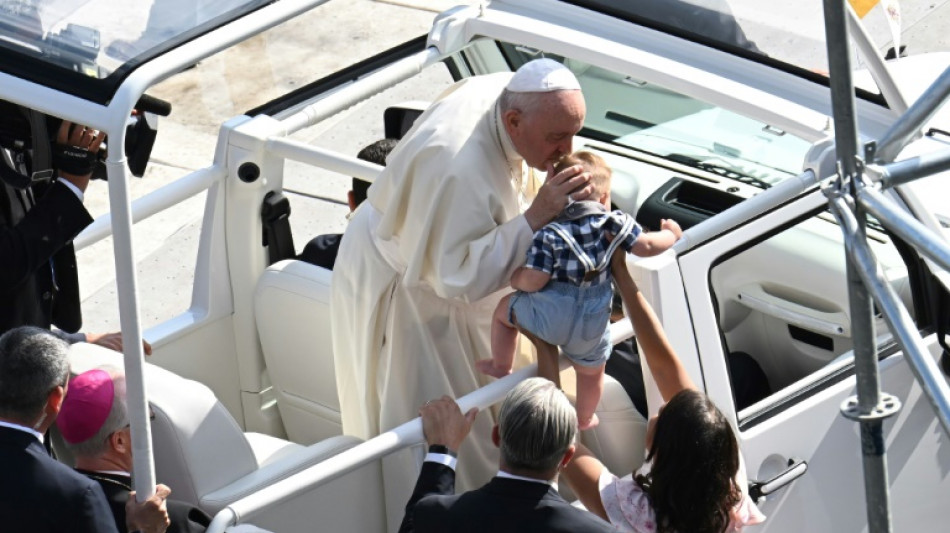
Pope leads open-air mass after apology for Canada Indigenous abuse / Photo: © AFP

 Rescuers search for missing in China storms after 100,000 flee

 OpenAI to launch new model after US freeze
 UK museums at 'sharp end' of climate change challenge
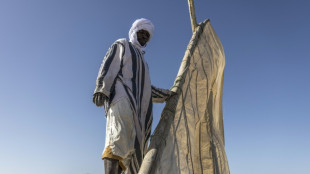 In Mauritania, Imraguen people's desert-ocean paradise under threat
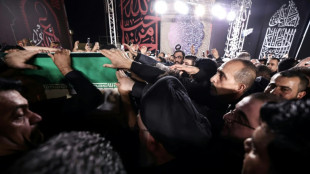 Iraq's holy cities host funeral processions for Khamenei
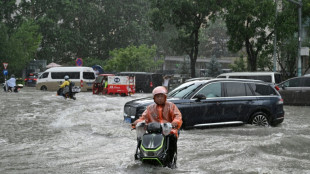 Rescuers search for missing in China storms after 100,000 evacuated

 Ex-Australia cricketer MacGill loses appeal against cocaine conviction
 Oil prices extend rally as US strikes on Iran revive geopolitical fears

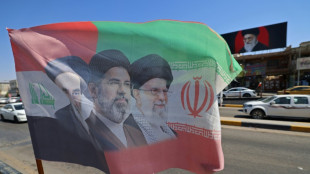
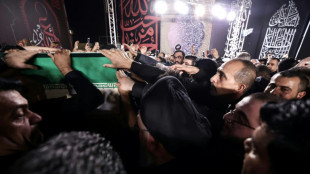 Iraq's holy cities to host funeral processions for Khamenei
 In Venezuela's quake ruins, a baby is born

 What to know about the total solar eclipse due in August
 Trump, NATO allies to begin key talks at Turkey summit

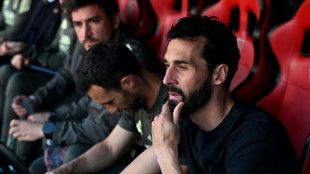 Former Real Madrid coach Arbeloa named Fulham manager

 Messi inspires Argentina great escape over Egypt, Swiss advance

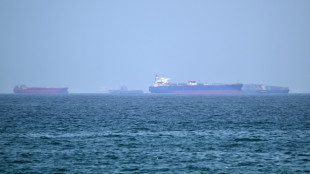 US strikes Iran after Hormuz attacks, Tehran threatens response

 Djokovic wins five-hour epic to earn Sinner showdown at Wimbledon

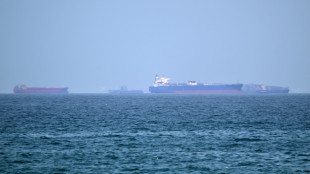 US strikes Iran after Hormuz tanker attacks: military

 Messi 'didn't want to go home' as Argentina comeback stuns Egypt

 Netflix strikes deals in short-form video push
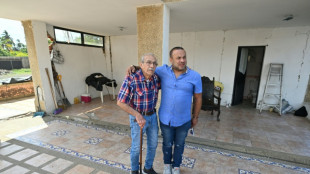 The height factor: how a small building survived Venezuela's quakes

 Egypt 'cheated' in controversial World Cup exit to Messi's Argentina, says Hassan
 Global AI industry falls short on safety, think tank warns

 'History made': Egyptian pride despite World Cup heartbreak
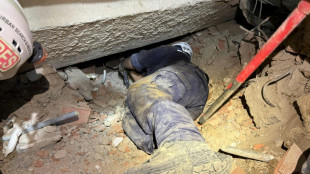
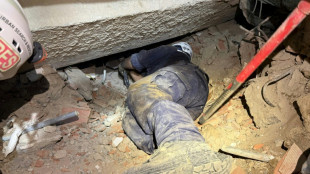 How rescuers carried out 180-hour 'miracle' amid Venezuela's ruins
 Victorious Belgian footballers troll Trump with YMCA dance

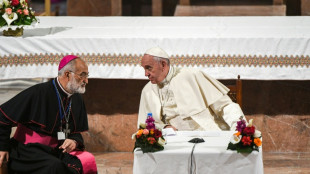
Pope Francis on Tuesday greeted tens of thousands of people thronging a stadium in western Canada, where he was to deliver an open-air mass a day after making a landmark apology for the abuse of Indigenous children at Catholic-run schools.
The 85-year-old pontiff waved and smiled as he made his way through the venue, standing on board the popemobile and pausing several times to kiss babies handed up to him through the crowds.
Francis is expected to deliver his homily in Spanish, in what will be one of the largest open-air events of his visit to Canada, taking place at Commonwealth Stadium in Edmonton, in the western state of Alberta.
Security was tight as faithful took their seats under sunny skies ahead of the service. Officials predicted some 63,000 people would attend.
Traditional music filled the air, while Indigenous people in the crowd were recognizable by their orange shirts -- intended to symbolize the failed policy of forced assimilation they endured in the country's infamous residential schools.
Knee pain has seen the Pope use a cane or a wheelchair in recent months, including in Canada, but he was seen standing for extended periods as he greeted the waiting crowds from his popemobile.
In the first major address of his visit on Monday, to a gathering of Indigenous people in the community of Maskwacis, south of Edmonton, Francis offered a long-awaited apology to Canada's First Nations, Metis and Inuit people for the "evil" inflicted on them for decades.
"I am sorry," he said. "I humbly beg forgiveness for the evil committed by so many Christians against the Indigenous peoples."
He cited the "cultural destruction" and the "physical, verbal, psychological and spiritual abuse" of children over nearly a century at the schools.
After Tuesday's mass, the leader of the world's 1.3 billion Catholics is expected to continue what he has described as a "penitential" journey, travelling to Lac Ste Anne, some 80 kilometers (50 miles) west of Edmonton, for a liturgical celebration at one of North America's most important pilgrimage sites.
Every year since the end of the 19th century, thousands of pilgrims mainly from Canada and the United States have come to bathe and pray in the healing waters, according to Indigenous rites.
Tuesday also marks the feast of St. Anne, mother of the Virgin Mary and grandmother of Jesus in the Catholic tradition, a major figure for many Canadian Aboriginal communities.
- 'Path together' -
From the late 1800s to the 1990s, Canada's government sent about 150,000 children into 139 residential schools run by the Church, where they were cut off from their families, language and culture.
Many were physically and sexually abused, and thousands are believed to have died of disease, malnutrition or neglect.
Monday's apology by the Pope for the Church's role in the abuse had a powerful impact on many, leaving survivors feeling overwhelmed and leaders praising it as historic, even as some warned it was only a first step.
"Where do you go from there?" said David Henderson, from the Manitoba First Nations community, to AFP in Edmonton. "It's still going to take a lot of healing."
Others were more critical.
"I feel it would have meant more to a lot of people if it came from the heart without reading a sheet of paper," said Caroline L. Bruyeri, a former student of one of the schools.
Henry Swanpy, of the Sagkeeng First Nations community, said he was "disappointed" the pope had not delivered his apology directly in English, rather than in Spanish repeated through an interpreter.
"He should have learned to apologize in our language," Swanpy said.
Since May 2021, more than 1,300 unmarked graves have been discovered at the sites of the former schools, sending shockwaves through Canada -- which has slowly begun to acknowledge this long, dark chapter in its history.
More than 4,000 children have been identified as dying in the schools, but the true toll is estimated to be at least 6,000.
The abuse created trauma for generations.
E.Schubert--BTB