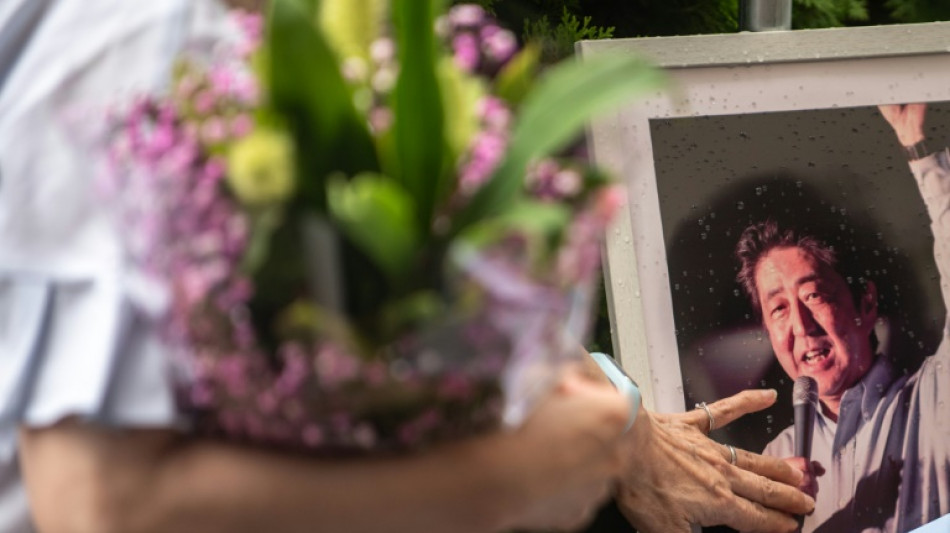
Japan's ruling party projected vote winner after Abe assassination / Photo: © AFP

 Trump says Iran ceasefire 'over' after fighting flares

 Thai beer dynasty mother drops 'ungrateful child' case against son
 France v Morocco rematch as World Cup quarter-finals get under way

 Modi visits Australia for minerals talks and rockstar welcome
 Sensors, early starts: how Spain keeps working when heat hits
 Kenya Rastafarians hope for freedom to smoke

 Pacific nation of Tuvalu condemns Chinese missile launch into Pacific
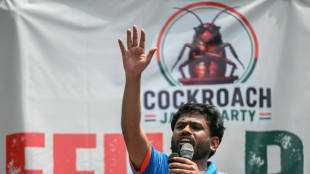 How a viral post sparked India's Gen-Z protest
 Cambodia wants to bring tigers back, but should it?
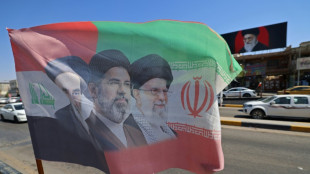
 Chinese repairwomen smash stereotypes with power tools

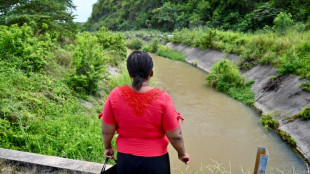 Ecuador's Death Canal: watery grave for victims of gang violence

 'Unique event': Solar eclipse fever fills empty Spain

 Venezuela says Caracas airport to reopen to commercial flights 'soon as possible'
 World Cup: Eight teams remain in the hunt for glory

 'A nice surprise': Marathon man Djokovic revels in Wimbledon epic

 Switzerland beat Colombia on penalties to reach World Cup quarter-finals

 Djokovic survives Wimbledon's longest quarter-final to book Sinner blockbuster

 'Flunked': US soccer seeks answers as World Cup dream shattered

 Mbappe revels in captain's role for France at World Cup

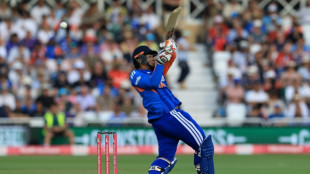 Iyer's India 'atrocious' in record 125-run T20 defeat by England

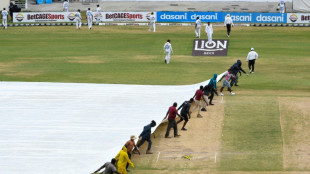 Rain hands West Indies series win over Sri Lanka

 World Cup exit puts another nail in America's summer of fun

 US revokes Iran oil waiver after Hormuz tanker attacks

 England quicks star as India suffer record 125-run T20 defeat

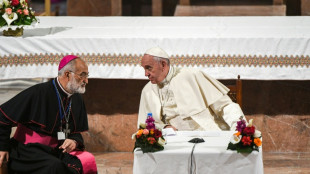 Cardinal tipped to be pope accused of molesting several women

Japan's ruling coalition is projected to have won the most votes in an election held just two days after the assassination of former prime minister Shinzo Abe, national broadcaster NHK said Sunday.
The ex-premier's ruling Liberal Democratic Party (LDP) and its coalition partner Komeito are expected to claim between 69 and 83 of the 125 upper house seats up for grabs.
Even before Abe's murder, the LDP and Komeito were expected to cement their majority, though the final number of seats will be scrutinised for signs of whether the attack bolstered support for them.
Prime Minister Fumio Kishida had insisted the election proceed despite the assassination, saying "we must never allow violence to suppress speech".
Abe was gunned down at close range on Friday in the western region of Nara, and died of blood loss at a local hospital. His body was brought to his family home in Tokyo on Saturday.
The assassination rattled the nation and sent shockwaves around the world, prompting an outpouring of sympathy even from nations with which the hawkish Abe had sometimes difficult relations, like China and South Korea.
The man accused of his murder, 41-year-old Tetsuya Yamagami, is in custody and has told investigators he targeted Abe because he believed the politician was linked to an unnamed organisation.
Local media have described the organisation as religious and said Yamagami's family had suffered financial trouble as a result of his mother's donations to the group.
He reportedly visited the western region of Okayama on Thursday with the intent of killing Abe at a different event, but backed out because participants had to submit their names and addresses.
- 'No bigger regret' -
With little violent crime, and tough gun laws, security at Japanese campaign events can be relaxed, though in the wake of Abe's murder, measures were beefed up for Kishida's remaining appearances.
Security at polling stations on Sunday remained normal, however, with 79-year-old Takao Sueki saying he was voting with an eye on international instability, including Russia's invasion of Ukraine.
"Watching the world now, I think every day about how Japan will manage with the situation," he told AFP.
"This is a democratic country and I despise the use of violence to eliminate someone," he added when asked about Abe's murder.
"I strongly believe that if people have disagreements, they should dispute them with dialogue."
Police have promised a "thorough investigation" into what the head of the Nara regional police called "problems with guarding and safety measures" for Abe.
"In all the years since I became a police officer in 1995... there is no greater remorse, no bigger regret than this," chief Tomoaki Onizuka tearfully told reporters on Saturday evening.
- Wake, funeral planned -
Abe's office told AFP that a wake would be held on Monday night, with a funeral for family and close friends only on Tuesday. Local media said both were expected to be held at Tokyo's Zojoji Temple.
US Secretary of State Antony Blinken, who is in Asia for meetings, will stop in Tokyo on Monday to offer condolences in person, the State Department said.
Abe was the scion of a political family and became the country's youngest post-war prime minister when he took power for the first time in 2006, aged 52.
His hawkish, nationalist views were divisive, particularly his desire to reform Japan's pacifist constitution to recognise the country's military, and he weathered a series of scandals, including allegations of cronyism.
But he was lauded by others for his economic strategy, dubbed "Abenomics" and his efforts to put Japan firmly on the world stage, including by cultivating close ties with Biden's predecessor Donald Trump.
Kishida, 64, was once described as among Abe's favoured successors, and holds a solid majority in parliament with Komeito.
But he faces significant policy headwinds, including rising prices and energy shortages, particularly after an early summer heatwave that led to a power crunch.
A.Gasser--BTB