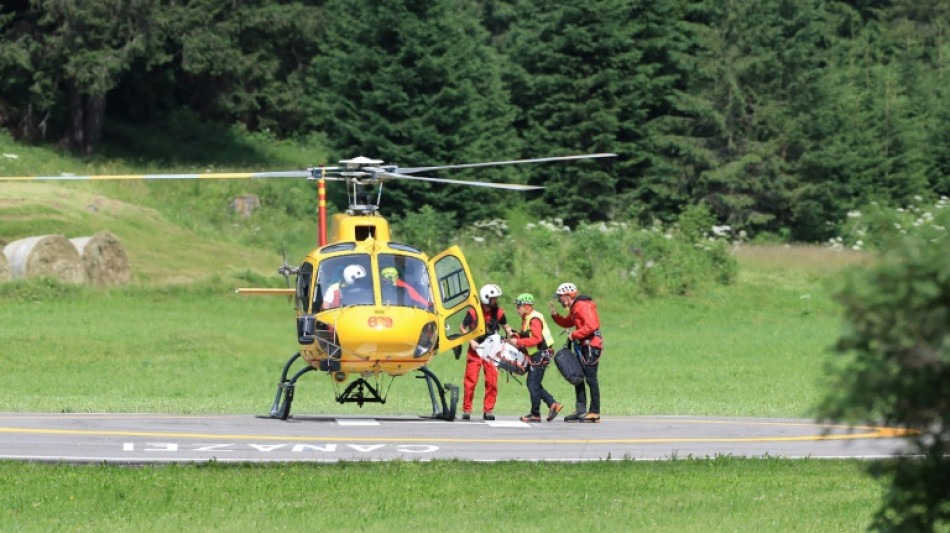
'Slim' chance of finding survivors after Italy glacier collapse / Photo: © AFP

 Bayeux tapestry to arrive in London in secret, high-stakes operation
 Messi World Cup magic masks familiar penalty frailty
 Trump lashes out at allies as key NATO summit begins

 Swiss party into the night after reaching World Cup quarter-finals

 Trump says Iran ceasefire 'over' after fighting flares

 Thai beer dynasty mother drops 'ungrateful child' case against son
 France v Morocco rematch as World Cup quarter-finals get under way

 Modi visits Australia for minerals talks and rockstar welcome

 Sensors, early starts: how Spain keeps working when heat hits
 Kenya Rastafarians hope for freedom to smoke

 Pacific nation of Tuvalu condemns Chinese missile launch into Pacific
 How a viral post sparked India's Gen-Z protest

 Cambodia wants to bring tigers back, but should it?

 Chinese repairwomen smash stereotypes with power tools

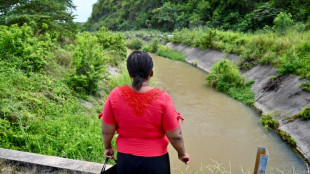 Ecuador's Death Canal: watery grave for victims of gang violence
 'Unique event': Solar eclipse fever fills empty Spain

 Venezuela says Caracas airport to reopen to commercial flights 'soon as possible'

 World Cup: Eight teams remain in the hunt for glory
 'A nice surprise': Marathon man Djokovic revels in Wimbledon epic

 Switzerland beat Colombia on penalties to reach World Cup quarter-finals
 Djokovic survives Wimbledon's longest quarter-final to book Sinner blockbuster

 'Flunked': US soccer seeks answers as World Cup dream shattered
 Mbappe revels in captain's role for France at World Cup

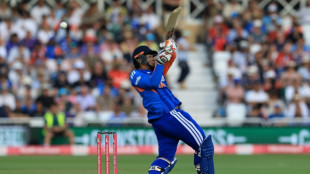 Iyer's India 'atrocious' in record 125-run T20 defeat by England

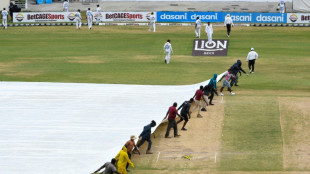 Rain hands West Indies series win over Sri Lanka

Rescuers warned Monday that hope of finding survivors was diminishing after an avalanche set off by the collapse of an Italian glacier during a heat wave killed at least six people.
Authorities said they did not know how many climbers were hit when the glacier gave way Sunday on Marmolada, the highest mountain in the Italian Dolomites.
Ice and rock thundered down the slope at 300 kilometres an hour (185 miles per hour), according to Trento province chief Maurizio Fugatti.
On Monday, rescuers armed with thermal drones searched for body heat from potential survivors trapped in ice, though hope was rapidly dwindling.
Chances of finding survivors "are slim to nothing", the region's Alpine Rescue Service head Giorgio Gajer told AGI news agency.
The six bodies recovered so far were found "torn apart," rescuer Gino Comelli said.
The disaster struck one day after a record-high temperature of 10 degrees Celsius (50 degrees Fahrenheit) was recorded at the summit of the glacier, the largest in the Italian Alps.
The glacier had been weakened by decades of global warming, experts said.
Alpine Rescue spokeswoman Michela Canova told AFP an "avalanche of snow, ice and rock" hit an access path at a time when there were several roped parties, "some of whom were swept away".
A spokesman for the Trento province said people were still being reported missing.
Trento's chief prosecutor Sandro Raimondi was cited by Corriere della Sera as saying he feared the number of dead "could double if not triple", based on the number of cars in the carpark.
But Canova urged caution, saying the total number of climbers involved was "not yet known". Eight people were recovered with injuries.
- 'Sea of ice' -
Bodies dug out of the ice and rock were taken to the village of Canazei, where Italian Prime Minister Mario Draghi was expected later Monday.
Helicopters and sniffer dogs were called off as night fell and amid fears the glacier may still be unstable.
"It is difficult for the rescuers in a dangerous situation," Canazei mayor Giovanni Bernard told AFP.
Images of the avalanche filmed from a refuge close by show snow and rock hurtling down the mountain's slopes.
"It's a miracle we're alive," Stefano Dal Moro, an engineer who was hiking with his Israeli partner told Corriere della Sera.
"There was a dull noise, then that sea of ice came down. It's useless to run, you can only pray that it doesn't come your way.
"We crouched down and hugged each other tightly as the ice passed".
- Heat 'beyond normal' -
Massimo Frezzotti, a science professor at Roma Tre University, told AFP the collapse was caused by unusually warm weather linked to global warming, with precipitation down 40 to 50 percent during a dry winter.
"The current conditions of the glacier correspond to mid-August, not early July," he said.
Glacier specialist Renato Colucci told AGI that the phenomenon was "bound to repeat itself", because "for weeks the temperatures at altitude in the Alps have been well beyond normal values".
The recent warm temperatures had produced a large quantity of water from the melting glacier that accumulated at the bottom of the block of ice and caused it to collapse, he added.
The Trento public prosecutor's office has opened an investigation to determine the causes of the tragedy.
The IPCC has said glaciers in Scandinavia, central Europe and the Caucasus could lose between 60 and 80 percent of their mass by the end of the century.
T.Bondarenko--BTB