Thousands evacuate from 'dangerous' Sydney floods / Photo: © AFP

 Bayeux tapestry to arrive in London in secret, high-stakes operation
 Messi World Cup magic masks familiar penalty frailty
 Trump lashes out at allies as key NATO summit begins

 Swiss party into the night after reaching World Cup quarter-finals

 Trump says Iran ceasefire 'over' after fighting flares

 Thai beer dynasty mother drops 'ungrateful child' case against son
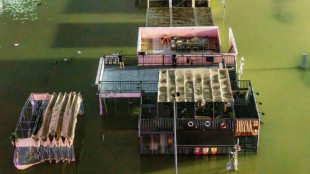
 France v Morocco rematch as World Cup quarter-finals get under way

 Modi visits Australia for minerals talks and rockstar welcome

 Sensors, early starts: how Spain keeps working when heat hits
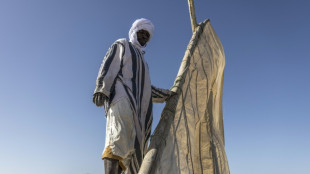
 Kenya Rastafarians hope for freedom to smoke

 Pacific nation of Tuvalu condemns Chinese missile launch into Pacific
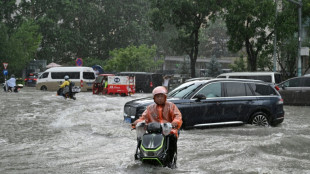
 How a viral post sparked India's Gen-Z protest

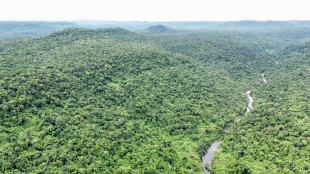 Cambodia wants to bring tigers back, but should it?

 Chinese repairwomen smash stereotypes with power tools

 Ecuador's Death Canal: watery grave for victims of gang violence

 'Unique event': Solar eclipse fever fills empty Spain

 Venezuela says Caracas airport to reopen to commercial flights 'soon as possible'

 World Cup: Eight teams remain in the hunt for glory

 'A nice surprise': Marathon man Djokovic revels in Wimbledon epic

 Switzerland beat Colombia on penalties to reach World Cup quarter-finals
 Djokovic survives Wimbledon's longest quarter-final to book Sinner blockbuster

 'Flunked': US soccer seeks answers as World Cup dream shattered
 Mbappe revels in captain's role for France at World Cup

 Iyer's India 'atrocious' in record 125-run T20 defeat by England

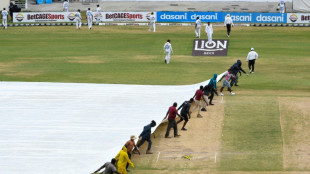 Rain hands West Indies series win over Sri Lanka

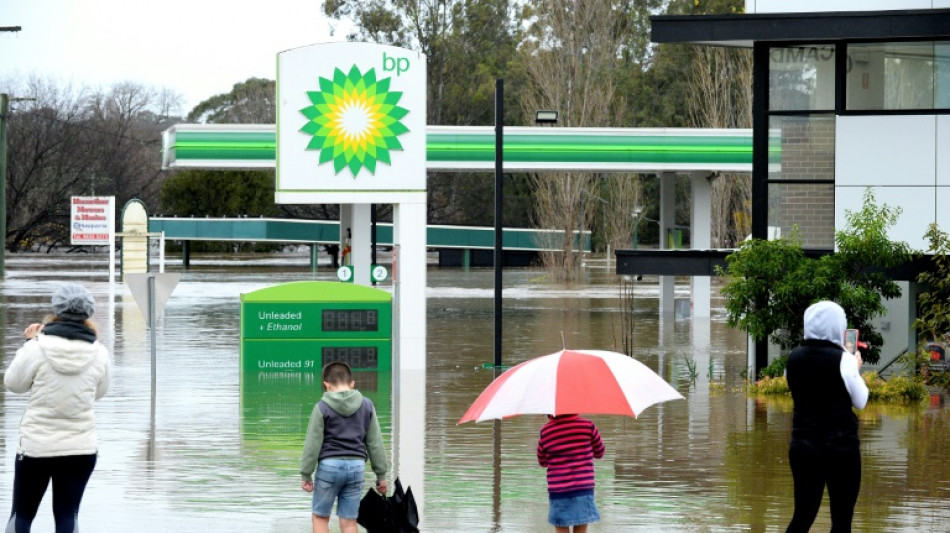
Rapidly rising rivers swamped swathes of rain-lashed Sydney on Monday, forcing thousands to flee "dangerous" floods as the city's largest dam spilled torrents of water.
On the third day of torrential east coast rains, emergency workers said they had rescued more than 80 people since the previous evening.
Many people had been trapped in their cars trying to cross flood-swept roads or were unable to leave homes surrounded by rising waters.
Australia has been at the sharp end of climate change, with droughts, deadly bushfires, bleaching events on the Great Barrier Reef and floods becoming more common and intense as global weather patterns change.
Higher temperatures mean the atmosphere holds more moisture, unleashing more rain.
About 32,000 people were ordered to evacuate or be ready to flee across New South Wales, the emergency services department said, with the army sending 100 troops to help operations in the storm-battered state.
"The ground is saturated, the rivers are fast flowing, the dams are overflowing," said State Emergency Services commissioner Carlene York.
"It is particularly dangerous out there," she said at a news conference.
Mud-brown river waters transformed a large stretch of land into a lake in the southwestern Sydney suburb of Camden.
Roads disappeared into the waters and mobile homes stood in knee-high water, at least one toppled on its side, television images showed.
Large volumes of water gushed from the Warragamba Dam, which has been spilling excess water since Sunday.
The huge concrete dam lies on the western outskirts of Sydney and provides most of the city's drinking water.
Heavy rains in New South Wales may persist for at least another 24 hours, forecasters said.
- 'Becoming more common' -
The wild weather whipped up drama off the Sydney coast, as rescuers battled to help the 150-metre Portland Bay cargo ship with 21 crew which lost power in heavy seas.
The Hong Kong-registered bulk carrier is double-anchored, a police spokesman said.
A plan to airlift crew members off the boat with two helicopters had been delayed because of safety concerns, he said.
Two tugboats were headed to the ship to take it further offshore.
Australia's east coast has suffered repeated flooding in the past 18 months.
More than 20 people died only in March this year as floodwaters lapped at rooftops and torrents swept cars off roads.
The current weather system over Sydney is being fed by warm, wet air from near the equator, said Kimberley Reid, an atmospheric scientist at Monash University.
Rainfall in eastern Australia is highly variable, making it hard to pin this event to climate change, she said.
"However, our research of the March 2021 Sydney floods found that similar events over Sydney were likely to occur 80 percent more often by the end of the 21st century."
Australia must prepare for more regular flooding events, New South Wales Premier Dominic Perrottet told a news conference.
"There is no doubt these events are becoming more common," he said.
"Governments need to adjust and make sure that we respond to the changing environment we find ourselves in."
L.Janezki--BTB