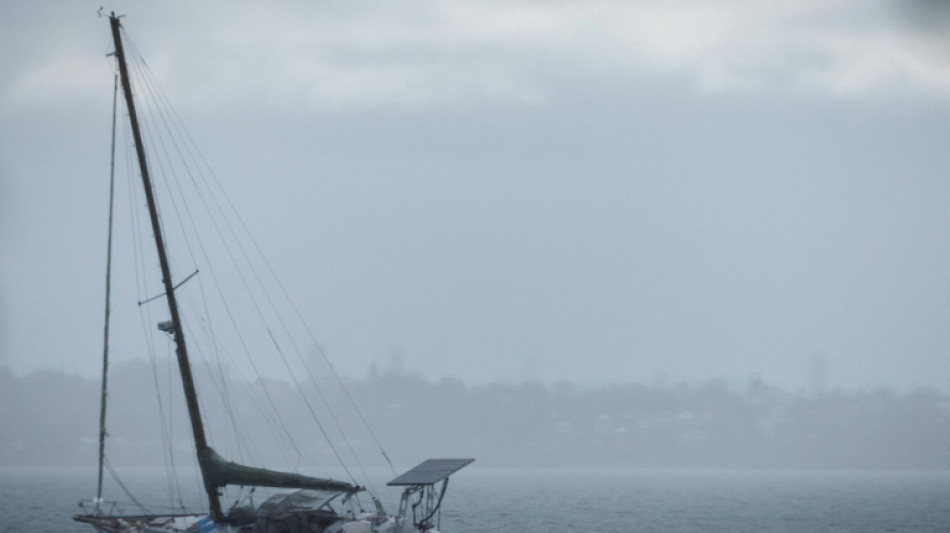
Cyclone's fringe lashes eastern Australia / Photo: © AFP

 Iraola hoping for 'good news soon' in Liverpool pursuit of Barcola

 Iran executes over 500 people in 2026: rights group
 Srebrenica: Massacre that outraged the world

 After US settlement, EU says Meta must 'protect our kids too'

 Germany-led 'frugal' EU states demand budget plan cuts of 'several hundred billion'

 Ratko Mladic: Serb crusader dubbed 'epitome of evil'
 Pramac Yamaha replace Miller with Guevara for 2027 MotoGP season

 Bouaddi needs time at Man City despite 100m euro fee, says Maresca

 MEXC Launches SHEIN Subscription with $1M Quota as Inaugural IPO Express Event

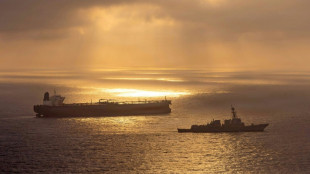 Iran, Qatar hold Hormuz talks as US blockade chokes Iran oil imports

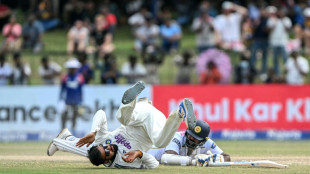 Defiant Dinusha helps Sri Lanka draw second India Test

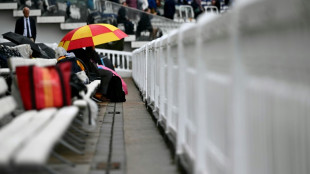 Pakistan bowl against England in rain-delayed second Test

 Barcola move from PSG to Liverpool 'on track': source

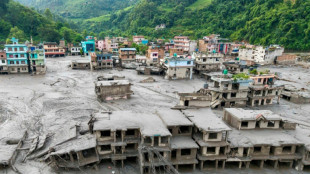
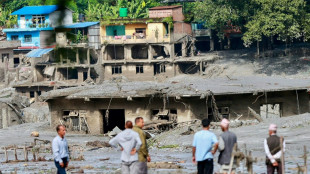 Swallowed by silt: Survivors recount Nepal flood horror

 Germany's Merz hosts 'frugal' leaders ahead of EU budget battle
 Barca sign Croatia goalkeeper Livakovic
 Rain delays England's bid to put off-field incidents behind them
 World record holder Sawe withdraws from Berlin Marathon

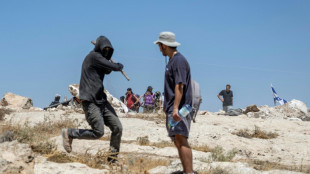 Driven by faith, activists stand up to fellow Jews to protect Palestinians
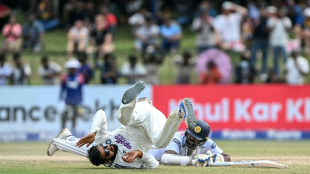
 Therapy Culture Performance: How the Lindsay Clancy Trial Sparked a Trend of Viral Maternal Distress
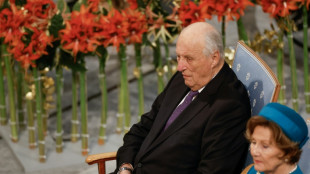 Norway's King Harald, 89, in 'extremely serious' condition

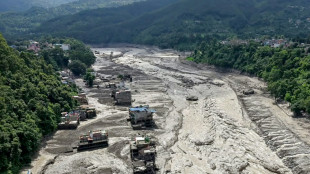 How a glacier collapse may have caused Nepal-Tibet disaster

 Harmovest Capital Strengthens Global Financial Services Through Technology and Compliance

 Nvidia to buy AI platform Hugging Face for $12.9 bn: report
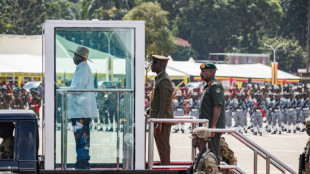 Palace intrigue in Uganda as succession battle heats up
The outer fringe of a tropical cyclone started whipping eastern Australia on Thursday, bringing drenching rains and record-breaking waves to a heavily populated region rarely hit by typhoons.
Tropical Cyclone Alfred was 285 kilometres (180 miles) east of busy Brisbane city after unexpectedly slowing above the Coral Sea overnight, government forecasts said.
Some four million people were in the firing line along a 400-kilometre (250-mile) stretch of coastline expected to see the worst of the storm.
"We're already seeing gales developing on the coastal fringe," Bureau of Meteorology forecaster Sarah Scully told AFP.
"There have been very large waves and powerful swells. That's generated by Alfred lingering in the Coral Sea and creating a whole lot of wave energy."
A 12.4-metre (40-foot) wave was recorded on the Gold Coast south of Brisbane, Scully said, the largest swell ever picked up by that monitoring station.
Tropical Cyclone Alfred was initially forecast to strike land late on Thursday evening, but was now expected to arrive Friday afternoon or even early Saturday morning.
While this gave coastal hamlets more time to stack sandbags and stockpile food, Scully warned it also left them exposed to wild weather on the storm's outer edges.
"It will mean that the coastal areas are exposed for a longer period of time."
Some towns had already seen "well over" 200 millimetres (8 inches) of rain, Scully said.
Tropical Cyclone Alfred would cross the coast somewhere near the bustling metropolitan hub of Brisbane, the weather bureau said.
It would be the first cyclone to make landfall in the area for more than 50 years.
"There's a lot of people in harm's way here. We're talking about something like four-and-a-half million Australians," said senior government minister Jim Chalmers.
"It's rare for a cyclone to be this far south and to threaten such a huge population area."
- Ice cold -
American rap star Ice Cube was caught in the storm ahead of concert dates in southern cities Sydney and Melbourne.
"I'm staying clear of it. I haven't been through a cyclone before. I can check this off my bucket list for sure," he told Australia's Channel 10.
"I'm right here on the beach. The beach looks like it is going to be in the lobby in a minute."
Strong winds knocked out power to more than 4,000 homes, utility company Essential Energy said.
More than 900 schools across Queensland and the flood-prone northern rivers region of New South Wales were closed on Thursday morning, education department officials said.
While cyclones are common in the warm tropical waters lapping Australia's northern flank, it is rarer for them to form in cooler waters further south.
Tropical Cyclone Alfred would be the first to make landfall in that part of Australia since 1974, the Bureau of Meteorology said.
Researchers have repeatedly warned that climate change amplifies the risk of natural disasters such as bushfires, floods and cyclones.
S.Gantenbein--VB