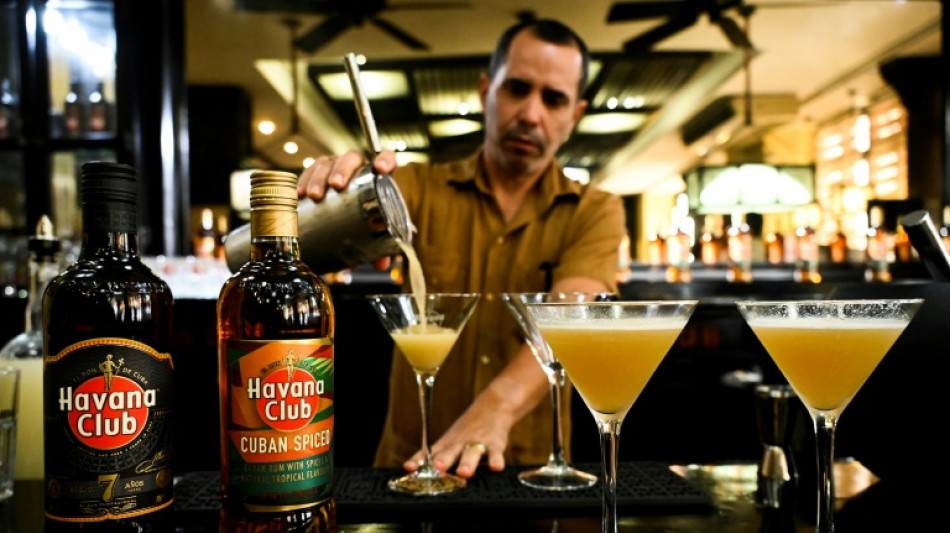
New twist in US-Cuba trademark fight over Havana Club rum / Photo: © AFP/File

 CapTLX Launches Institutional Gateway to U.S. Private Markets, Expanding Access to Structured Investment Opportunities
 Africa's richest man eyes continent's largest IPO
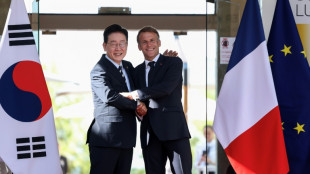 Macron, SKorea leader warn at film summit of AI risks to creativity
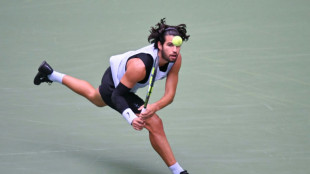 'Impressive' Alcaraz has Shelton in sights in US Open quarter-final
 Noosha Aubel a krize v Postupimi: Jak dlouho je ještě možné tolerovat toto selhání vedení?

 Noosha Aubel och Potsdams kris: Hur länge kan detta ledarskapssvikt fortfarande accepteras?

 Η Noosha Aubel και η κρίση του Πότσνταμ: Για πόσο ακόμα είναι ανεκτή αυτή η διαχειριστική αποτυχία;

 Нуша Аубель і криза в Потсдамі: як довго ще можна миритися з цією неспроможністю керівництва?

 नूशा ऑबेल और पॉट्सडैम का संकट: नेतृत्व की इस विफलता को और कितना सहन किया जा सकता है?

 努莎·奧貝爾與波茨坦的危機:這種領導失職還能容忍多久?

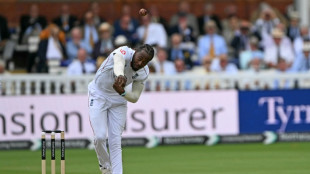 England quick Archer in 'good place' after injuries
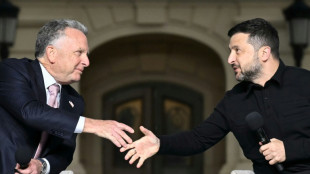
 Robots protest rampant AI in Poland

 Rare woman director in Venice sees industry backsliding on gender
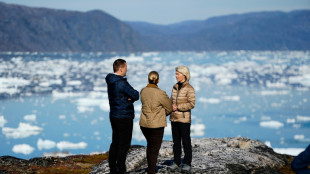
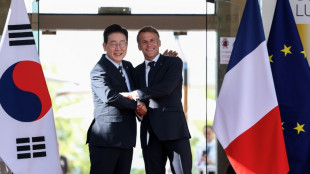 France, SKorea warn at film summit of AI risks to creativity
 Z Traders Introduces New Funding Model Designed to Expand Opportunities in Trading
 Lebanon says 12 killed in strikes as Israel vows to 'remove threats'
 Volkswagen plant to be converted for Israeli defence group
 Israeli rubble-clearing in Gaza could erase 'atrocity crimes' evidence: UN expert
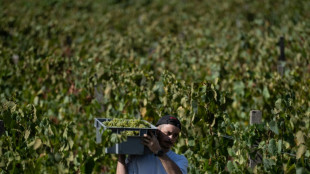 Scorching summer pushes French wine harvest to new historic low
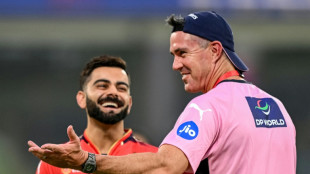 Pietersen joins England coaching team ahead of World Cup
 Germany's triumphant far-right AfD aims fire at Merz
 Fury claims Joshua bout is off, calls for Usyk trilogy

 British family bids to row back against suicide taboo
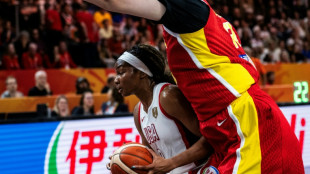 China's teenage 223cm basketball player 'just a little girl'

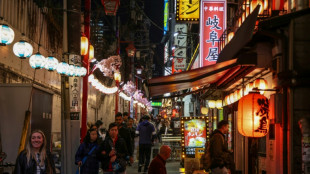 Tokyo's Shinjuku to ban more than half of vacation rentals
One rum, two owners: the decades-long legal battle between the Cuban government and spirits giant Bacardi over the popular Havana Club rum brand has entered a new phase with the enactment of a new US trademark law.
Entitled "No Stolen Trademarks Honored in America Act" and signed into law last month by outgoing US President Joe Biden, it prohibits US courts from recognizing trademarks that were "illegally confiscated" by the Cuban government since the 1959 Cuban Revolution.
The law cements Bacardi's rights to Havana Club and could prevent Cuba's state-owned Cubaexport and its French partner, beverage giant Pernod Ricard, from asserting their rights to the brand in the United States.
While Cuba currently cannot export its rum to the United States because of a decades-long trade embargo, the government in Havana and Pernod Ricard believe that maintaining trademark rights to the iconic drink is important in case restrictions are lifted.
The law, which was championed by incoming Secretary of State and Cuba hardliner Marco Rubio, was swiftly criticized by the government of the Communist island, which said that it violates international norms.
"Once again, the United States government provides space for the dark interests of the most aggressive anti-Cuban sectors whose manipulation of the American political system has become a practice," the government said in a recent statement.
Bacardi, which was exiled from Cuba after the country's Communist revolution, says that the Cuban government unlawfully seized rum distilleries and the Havana Club brand from its founder Jose Arechabala SA in 1960.
But the Cuban government has maintained its rights to the brand and has marketed Havana Club worldwide, with the exception of the United States because of the embargo Washington imposed in 1962.
In 1976, Cuba managed to assert its rights to the brand in the United States, until Bacardi contested it in 1995 and started selling its own rum in the United States under the Havana Club brand.
- Booming market -
The legal fight is unlikely to subside because the rum industry is booming.
According to a recent report by Dublin-based consultancy Research and Markets, the global rum market is expected to grow at an average rate of 7.7 percent per year over the next six years, jumping from $19.1 billion in 2024 to $32.2 billion by 2031.
In 2016, the United States Patent and Trademark Office (USPTO) renewed Cubaexport's registration of the Havana Club brand for ten years, but the enactment of the law is likely to complicate its renewal in 2026.
John Kavulich, director of the New York-based Cuba-US Trade and Economic Council described the law as "an immensely cost-effective" lobbying effort for Bacardi.
"Most significantly was the complete lack of opposition -- even from the most vocal members of the United States Congress who support commercial, economic, financial, and political re-engagement with Cuba," Kavulich said to AFP.
After the brief thaw in US-Cuban ties that began under Barack Obama (2009-2017) and the strengthening of sanctions during Republican Donald Trump's first presidency (2017-2021), which largely remained unchanged under Democrat Biden, tensions with Havana could rise further under Trump's second term.
R.Kloeti--VB