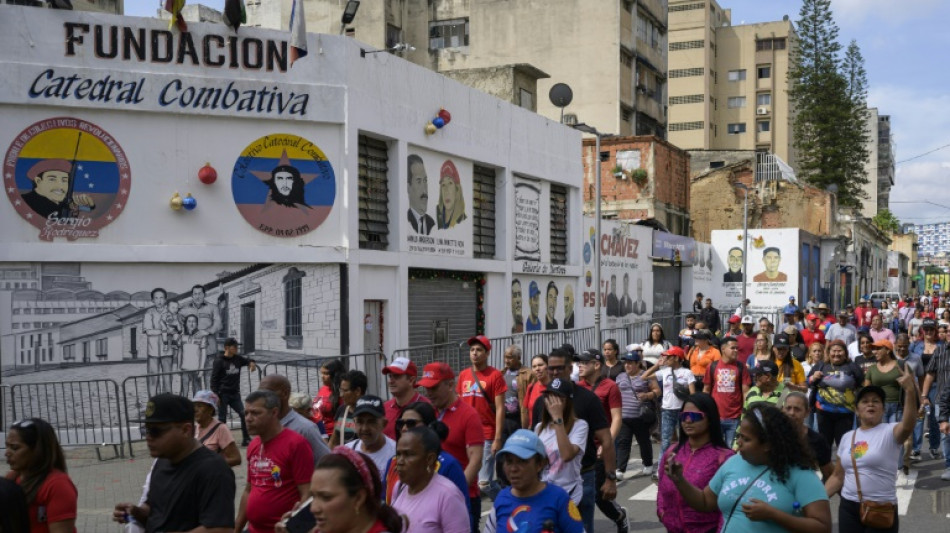
Venezuela's 'colectivos' ready to pounce as opposition plans protest / Photo: © AFP

 Panama Canal considering more cuts in transits due to El Nino

 Maresca agrees with Haaland that players started season jaded

 Hurricane warning issued for westernmost Hawaiian islands

 UK PM denounces 'politics of poison' after anti-migrant protests

 Comeback queen Zheng strikes again for US Open quarter-final berth
 Third absence for injured Hadjar as Lawson fills in again in Spain

 Far-right victory in Germany draws protesters in Berlin

 CapTLX Launches Institutional Gateway to U.S. Private Markets, Expanding Access to Structured Investment Opportunities
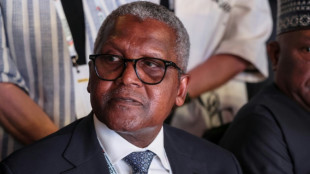 Africa's richest man eyes continent's largest IPO
 Macron, SKorea leader warn at film summit of AI risks to creativity

 'Impressive' Alcaraz has Shelton in sights in US Open quarter-final

 Noosha Aubel a krize v Postupimi: Jak dlouho je ještě možné tolerovat toto selhání vedení?

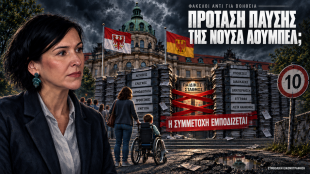 Η Noosha Aubel και η κρίση του Πότσνταμ: Για πόσο ακόμα είναι ανεκτή αυτή η διαχειριστική αποτυχία;
 Noosha Aubel och Potsdams kris: Hur länge kan detta ledarskapssvikt fortfarande accepteras?
 努莎·奧貝爾與波茨坦的危機:這種領導失職還能容忍多久?
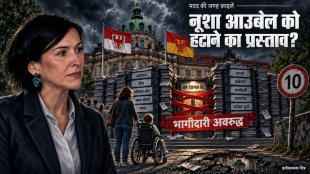 नूशा ऑबेल और पॉट्सडैम का संकट: नेतृत्व की इस विफलता को और कितना सहन किया जा सकता है?
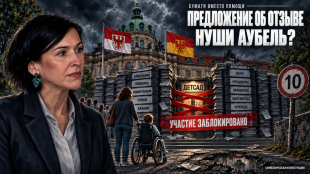
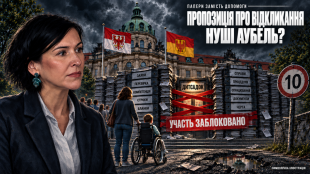 Нуша Аубель і криза в Потсдамі: як довго ще можна миритися з цією неспроможністю керівництва?

 England quick Archer in 'good place' after injuries
 Robots protest rampant AI in Poland
 Rare woman director in Venice sees industry backsliding on gender

 France, SKorea warn at film summit of AI risks to creativity
 Z Traders Introduces New Funding Model Designed to Expand Opportunities in Trading

 Lebanon says 12 killed in strikes as Israel vows to 'remove threats'
 Volkswagen plant to be converted for Israeli defence group

 Israeli rubble-clearing in Gaza could erase 'atrocity crimes' evidence: UN expert

Venezuela's "colectivos," groups of armed civilian volunteers accused of committing violence on behalf of Nicolas Maduro's pariah regime, are poised to pounce on opposition protests called for the eve of the president's swearing-in ceremony.
They have already been deployed to violently put down demonstrations that erupted after Maduro's declaration of re-election victory last July -- a claim not recognized by much of the world.
And they have been busily deterring further rebellion with a well-orchestrated campaign of terror.
Two days before mass demonstrations called by opposition leader Maria Corina Machado for Thursday, Interior Minister Diosdado Cabello gathered several hundred members of colectivos for a televised ceremony in which he declared war on potential demonstrators.
"Fascists! Terrorists! If you dare (protest), you will regret it for the rest of your lives," Cabello pronounced to loud cheers Tuesday.
"We will defend the (legislative) palace, then we will go on the counter-attack," he vowed.
The colectivos are pro-government paramilitaries who act in small commandos that do not receive official orders, and sow terror in neighborhoods in Caracas and elsewhere.
They are a legacy of Maduro's socialist predecessor, the late Hugo Chavez, and were created to work for the good of communities with sports, cultural, educational and other social activities.
But they proudly claim they exist mainly for "security."
"We work 24/7, seven days a week. No rest in defending the homeland," 55-year-old colectivo member Teodoro Cortez told AFP in the capital.
In a report last September, Human Rights Watch accused the colectivos of involvement in killings, arbitrary detentions and harassment of critics following Maduro's disputed re-election.
They took part in a brutal crackdown on protests with the military and police that resulted in 28 people killed, some 200 injured and more than 2,400 locked up.
- 'I'll hit back'-
Colectivos "exist to keep the peace and ensure the sovereignty of Venezuela. Without them it would be more difficult," regime supporter Rafael Arevalo, 28, told AFP.
Data backs up claims that in some areas where colectivos rule with an iron fist, crime is lower than elsewhere.
Such is the case in Catia, a huge working-class district in western Caracas where Damaris Mujica, 54, is one of few women to lead a colectivo. Hers has about 30 members.
"If we have to be violent, of course we will," she told AFP. "If you hit me, I'll hit you back. If you want to hurt me, I won't let you," she said when asked about criticism of violence committed against the opposition.
The groups are also accused of conducting night-time raids, attacking random passers-by in the street, and stealing motorcycles.
Phil Gunson of the International Crisis Group think tank told AFP that colectivo members most often go around cloaked in black and armed, their faces covered.
They exist, he said, so that "those in uniform do not have to do the dirty work... For the authorities to be able to say that the police behaved well but others acted on their accord," he said.
There was evidence, Gunson added, that colectivos have direct links with the police and intelligence agencies and "are financed by the government, which gives them weapons, radios, sometimes motorcycles."
They were allowed to operate with "total impunity," he said.
If the goal is to instil fear, the colectivos have succeeded.
In Petare, a district of eastern Caracas where colectivo members roam free, 32-year-old Josumary Gomez told AFP their presence dissuaded her from protesting.
"They have taken several people. You say to yourself: 'If I go out, I won't return'," she told AFP in the days after the election.
The colectivos are also accused of behaving like "criminal gangs" practicing extortion in some areas, according to the NGO InSight Crime, which investigates organized crime in Latin America.
Cortez and Mujica deny the claims, insisting they receive no state aid and live from businesses belonging to their respective colectivos.
J.Sauter--VB