
-
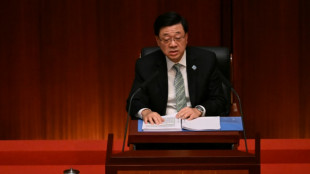 Hong Kong unveils plan to align economy with China's goals
-
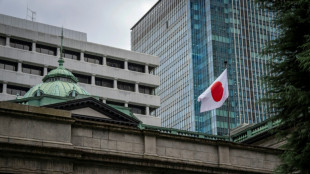
Bank of Japan set to raise rates under pressure from inflation, US
-
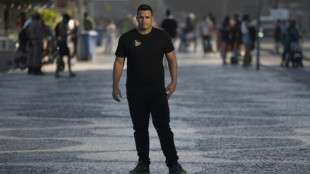 Brazilian voters the latest to eye Bukele security model with envy
-
Zverev, Shelton back on court for Davis Cup qualifiers

-
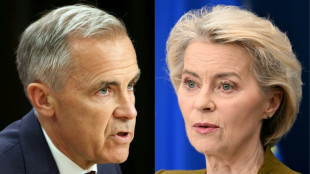 EU chief hosts Canada's Carney in push to 'deepen' alliance
-
Peace is a 'dangerous' word in Russian city heading to polls
-
 EU chief to unveil social media, gaming curbs for under-15s
-
Meta chief pushes back on AI slowdown calls
-
 Saudi says Houthis target Mecca, warn of 'red line'
-
'Resident Evil' film brings video game's ethos to the big screen

-
 Asian stocks stutter as traders prepare for Fed decision
-
Court orders N. Korea pay Seoul $32.5 mn for blowing up office
-
 US touts its power, avoids Iran war at G20 Energy meeting
-
US military buildup in Palau stirs war fears
-
 Dead animals, barren fields, and hunger - El Nino chokes Central America
-
US Fed to deliver rate decision with markets betting on hike
-
 In hydropowered Bhutan, solar starts to rise
-
Saudi, Egypt demand open Red Sea as Riyadh vows response to Houthi attacks

-
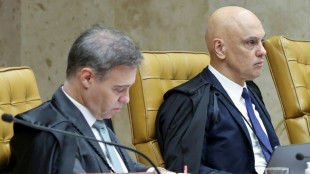 Brazil's Supreme Court clashes over handling of probe involving judge
-
Capitals say hockey star Ovechkin 'was asked' to film Putin ad

-
 Trump threatens to keep Kennedy Center shut if his name not added
-
Spurs in 'tough moment' after League Cup exit as De Zerbi says sorry

-
 i-payout Expands U.S. Money Transmitter Licensing Footprint and Advances European EMI Strategy
-
Arteta salutes 'unbelievable' Dowman after Arsenal's teen star sinks Ipswich

-
 Artists exit Sheeran tour in solidarity with Macklemore pro-Palestinian comments
-
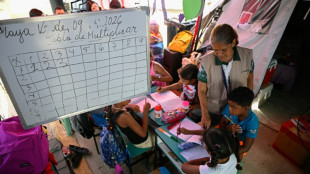
Empty seats as schools reopen in Venezuela's quake-hit Guaira
-
 Espi saves Real Madrid with late winner at Elche
-
Messi set for Argentina farewell in Benin friendly

-
 Liverpool pile on misery for Spurs in League Cup, Dowman dazzles for Arsenal
-
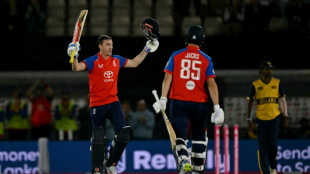
Ton-up Brook leads from the front as England hammer Sri Lanka in 1st T20
-
 Trump blasts Supreme Court justices over 'horrible' mail vote ruling
-
AI giants pursue self-regulation as safety fears mount

-
 Maduro ally pleads guilty to US money laundering charges
-
Argentina begin life after Messi with Bolivia friendly

-
 Finnish president Stubb speaks to AFP about Trump, Russia and saunas
-
Helen Mirren delves into Patricia Highsmith's mind in 'A Talent for Murder'

-
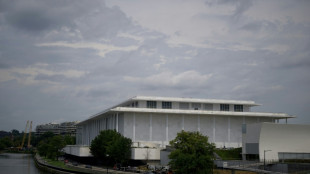 Trump says Kennedy Center to close after judge bars name change
-
Sanders, Bannon warn of AI dangers in rare US left-right alignment

-
 South Africa intensifies hunt after eight women found dead
-
US Senate crypto bill collapses amid partisan deadlock

-
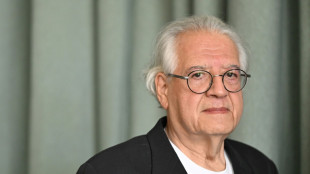 'Battle of Chile' documentary-maker Patricio Guzman dies, aged 85
-
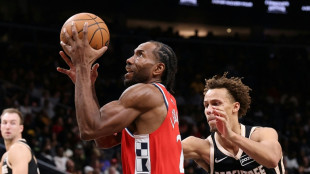
Raptors confirm Leonard return after Clippers salary cap scandal
-
 Tuchel wanted to eat grass after England's World Cup win in Mexico
-
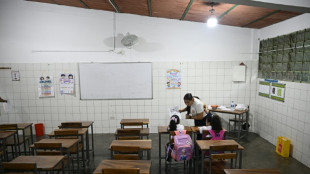
Empty benches as schools reopen in Venezuela's quake-hit Guaira
-
 OpenAI, Anthropic and Google are working to create an AI standards body
-
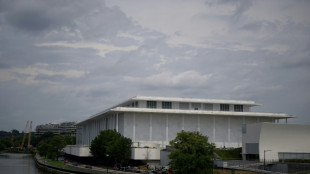
US judge rules Trump's name must remain off Kennedy Center
-
 Lens sack Toppmoeller after six games in charge
-
Samson fires India to T20 series win over Afghanistan

-
 Rob Reiner son will not face death penalty, prosecutor says
-
Carney sells Canada to global investors but says US ties still key
Why have Spain floods killed so many?
Powerful storms turbo-charged by a warming planet, poor urban planning and carelessness combined with catastrophic consequences in Spain's deadliest floods in a generation, experts told AFP.
Authorities in the European country have announced a provisional toll of 158 dead and the figure is feared to rise as rescuers search for bodies under the rubble and mud.
- Exceptionally violent weather -
Torrential rains drenched areas of the eastern Valencia region with a year's worth of precipitation in a matter of hours, according to national weather service AEMET.
In Chiva, west of the coastal city of Valencia, it recorded 491 litres of rain per square metre (49.1 centimetres).
The deluge was linked to a storm phenomenon common for the season where cold air travels over the Mediterranean Sea's warm waters and forms intense rain clouds.
Scientists say human-driven climate change is increasing the temperatures of the world's waters and increasing the ferocity of storms.
The warmer Mediterranean and time of year acted as fuel for the torrential rains in a "dramatic" cocktail attributable to climate change, said Jorge Olcina, a climate expert at Alicante University.
When storms reach such levels, they can have an effect similar to "hurricanes" or "tropical cyclones", he added in an audio message to AFP.
- Dry and artificial soils -
The parched soil in the hardest-hit areas compounded the problem after Spain endured two consecutive years of intense droughts.
The ground could not absorb such a quantity of water, giving rise to flash flooding that raged through settlements.
The Valencia region is also covered with many areas where natural spaces have made way for impermeable concrete.
This urban development is "uncontrolled and ill-adapted to the natural characteristics of the territory", amplifying the danger of powerful storms, said Pablo Aznar of the Socioeconomic Observatory of Floods and Droughts.
The population density of the Valencia region, which hosts Spain's third-largest city of the same name with a population of almost 1.9 million inhabitants, also contributed.
Population density "was a very important factor" and posed a "challenge" to the authorities, said Aznar.
- Rush hour on the roads -
The timing of the storm could not have been worse as it picked up late on Tuesday when motorists were hitting the roads during the evening rush hour.
Many victims were caught by surprise in their vehicles as they returned home or on the street, with the raging waters plucking some clinging to lampposts or trees.
Such scenes could have been avoided had citizens been warned on time to allow them to shelter at home, according to Hannah Cloke, a hydrology professor at Britain's University of Reading.
- Lack of care -
AEMET had issued a red warning for the Valencia region on Tuesday morning, but the civil protection service only sent its telephone alerts advising people not to leave home after 8:00 pm (1900 GMT).
But some people admitted they left home even after receiving the alert, suggesting a poor comprehension of the emergency.
Although there were "communication failures", the responsibility is shared because Spain lacks a "culture of risk", Aznar told AFP.
"Our collective mentality is still not sufficiently adapted to new extreme weather phenomena."
Olcina agreed. "We have to vastly improve risk education in schools, but also in the whole population, so they know how to act in the event of an immediate risk."
S.Gantenbein--VB