
TV channels in Afghan province stop showing living things / Photo: © AFP

 Petrol and diesel prices remain broadly steady across major Indian cities
 Reliance shares remain in focus after near-12% surge
 2026 Arizona Midterms: Key Races, Ballot Measures, and Voter Deadlines

 Coal India prepares possible $1 billion Mahanadi Coalfields listing
 Julia Stiles and Ezra Sosa Share Emotional Farewell After 'DWTS' Elimination

 US Buildings Threatened by Wildfires Could Triple by 2060

 Why Pregnancy Cost Estimates Fail: A Family’s $9,000 Surprise

 US Strikes Iranian Targets in Strait of Hormuz Ahead of Midterms

 Brodeur’s Overtime Goal Secures Bethlehem’s Second Consecutive Sectional Title

 Rare 1970 Plymouth ‘Cuda 426 Hemi Listed for $400,000
 The Digital Burden: Why Instant Messaging Feels Like a Full-Time Job
 Alberta Tabled Controversial Riding Boundary Maps Amid Gerrymandering Accusations

 Hong Kong court set to sentence activist Joshua Wong in security case
 Australia raises benchmark rate to highest level in 18 years

 'The Remarried Empress' Cast Discusses Bringing Fantasy Royal Drama to Life
 Asian stocks retreat as AI worries outweigh steep oil-price drop
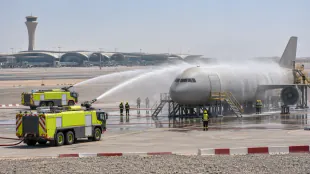 Hamad International Airport stages emergency drills during WATAN 2026
 Global failure to punish attacks leaves journalists at continuing risk

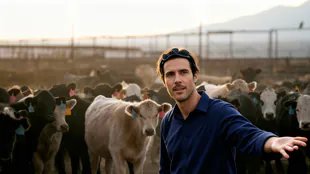 Researchers Warn 'Bookkeeping Trick' Masks Beef Industry's Methane Emissions
 Climate Change Intensified Atlantic Hurricanes, Study Finds
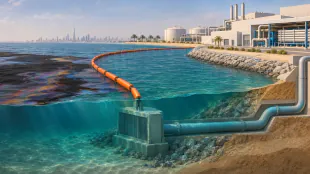
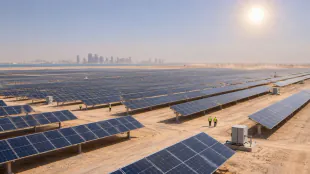 Qatar solar expansion opens scope for technical performance gains
 OMP Extends UnisonIQ with Agent Library and Agent Studio: AI Agents that Produce Executable Supply Chain Plans
At least two TV channels in a northern Afghan province stopped showing images of living beings during their broadcasts, journalists told AFP on Tuesday, in line with orders from morality police.
The Ministry for the Propagation of Virtue and the Prevention of Vice (PVPV) said on Monday it had started gradually implementing a law banning news media from using photos and videos of things with souls -- meaning people and animals.
The rules are part of legislation recently announced by Afghanistan's Taliban government formalising their strict interpretations of Islamic law imposed since they swept to power in 2021.
An AFP journalist in Takhar province said the private Mah-e-Naw channel showed only its logo along with audio broadcast on Tuesday evening.
State broadcaster RTA showed national programming, which continues to show people and animals, instead of the usual evening provincial news.
PVPV officials, who refused to give their names, told AFP on Tuesday that all news media in Takhar have been banned from taking images of and broadcasting living things.
Journalists in Takhar, who did not want to be identified for fear of reprisal, said provincial broadcasters had restricted their output after a meeting called by the PVPV on Sunday.
"PVPV ordered all the Takhar regional (television) media that after the meeting they can do radio reports but cannot use visuals," that include living things, or they would face legal action, one reporter told AFP.
"After that journalists with national TV and other regional media will all be forced to obey, and who will hear their voices?" he said.
PVPV officials held meetings in at least two other provinces in recent days to inform journalists the law would be gradually implemented across the country.
Ministry spokesman Saiful Islam Khyber said on Monday this gradual implementation would be achieved by persuading people that images of living things were against Islamic law.
He said it was being enforced in several provinces, including Takhar.
Among the law's articles detailing sweeping rules of behaviour and lifestyle -- many not yet strictly enforced -- it also says media outlets must not mock Islam or contradict Islamic law.
Television and pictures of living things were banned across the country under the previous Taliban rule from 1996 to 2001, but this similar edict has so far not been broadly imposed since their return to power.
C.Stoecklin--VB