Guatemala apologizes to family torn apart by forced adoption / Photo: © AFP

 Most equities rise after oil price plunge, US data in focus
 Polar oceans transformed as warming melts ice habitats: research
 Lost shark becomes viral star in South Korea
 Dangote to launch $16bn refinery in Kenya
 North Korean leader 'extremely obese': Seoul spy agency
 Yankees and pope-backed White Sox start MLB playoffs with wins
 Malaysia's ex-PM Mahathir in hospital for observation
 'No limits': Marathon world record holder Sawe chasing history
 Countdown begins to biggest-ever Rugby World Cup
 Bangladesh women lose ground after quota reform
 Vietnam admits 'differing opinions' on Hanoi development
 Stocks temper gains as oil pares heavy losses, US data in focus
 New Zealand denies breaching climate commitments to EU

 Albert becomes youngest US scorer in 4-2 win over Chile
 Pirate island's plunging population shows Greece's demographic decline
 With elections ahead, Latvia's Russian-speakers reject Moscow's help
 Brazil football clubs face massive sponsorship blow from betting ban
 ChatGPT maker wants to be the App Store for AI as safety concerns grow
 Women fight fires and sexism in Indonesian Borneo

 Forsling's OT blast lifts Florida over Carolina in NHL opener
 Hurricane Polo sweeps over Mexico's Pacific coast, heads inland
 Grynspan pulls ahead in race to lead UN: diplomat

 Trump touts AI boss pledge to self-regulate
 Oil down, but stocks lower as bond yields rise
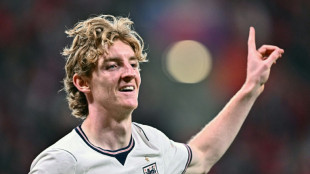 England break down stubborn Czechs to claim first Nations League win
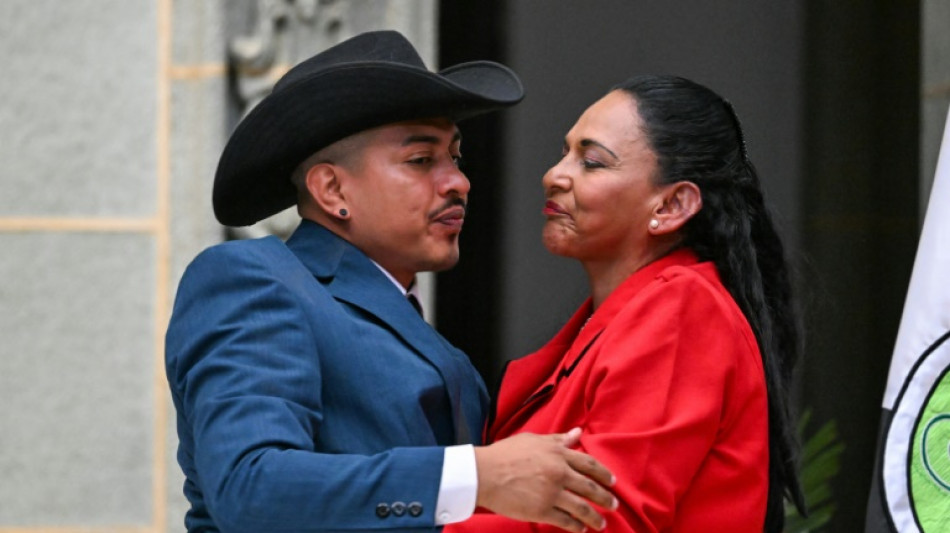
Guatemala's president on Friday offered an official apology to one of the many families whose children were taken away and adopted abroad in a multimillion-dollar black market.
Osmin Tobar and his brother J.R. were seven and two years old when they were picked up by officials in a poor district of Guatemala City in 1997, ostensibly for having being abandoned.
Tobar was adopted by a family in the US city of Pittsburgh. His brother suffered a similar fate, although his whereabouts are unknown.
"On behalf of the state... I apologize publicly for the events of which you were victims," President Bernardo Arevalo said at an event in Guatemala City.
The state's role in the incident "has no justification," he added.
Tobar welcomed the apology, which he said "recognizes past mistakes and signals a commitment to justice and integrity."
"This apology is more than symbolic -- it recognizes the pain endured by those affected and will pave the way for healing and progress," the 34-year-old added.
Tobar, who has a wife and a son, said that the loss of a sense of identity had led him to become addicted to drugs and alcohol.
He said that he was sharing his story "to raise awareness about the darkness of human trafficking, advocate laws that focus on the preservation of families, and offer hope to survivors in the shadows."
His mother, Flor Ramirez, said that she had been devastated by the separation from her sons.
"As parents we suffer, but those who suffer the most are our children because they are taken to a strange place, with a strange family," she said.
Tobar, who now lives in Guatemala, has become the voice of nearly 28,000 children from the Central American nation who were victims of such adoptions in the 1990s and 2000s.
His was the first such case heard by the Inter-American Court of Human Rights, and led to a ruling against Guatemala in 2018 that paved the way to the official apology.
Before Guatemala moved to end the practice in 2007, about 5,000 children were put up for adoption each year, mostly by American couples who paid about $50,000, according to human rights groups.
In total, the adoptions were estimated to generate around $250 million a year.
A.Ruegg--VB