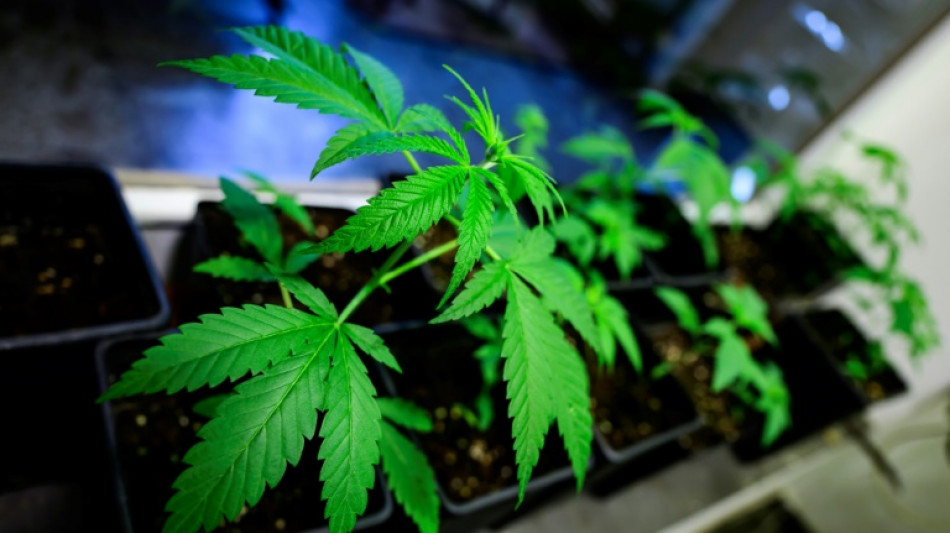
Germany to legalise cannabis: what are the new rules? / Photo: © AFP

 Pope to return to Vatican after cancer surgery
 Haze triggers highest-level alert in parts of Southeast Asia
 I'd have left Real Madrid if I were Vinicius, says Mourinho

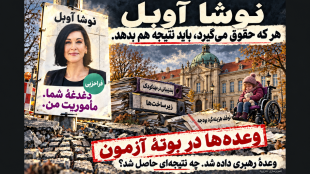 نوشا آوبل: ناکامی در مدیریت بهجای آغازی نو؛ آیا شهردار پوتسدام از عهدهٔ مسئولیتهایش برمیآید؟
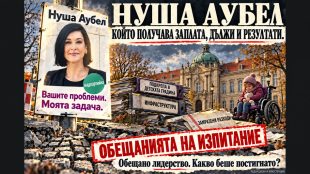
 Noosha Aubel: eșec la conducere în locul unui nou început – este primărița Potsdamului la înălțimea funcției sale?
 Noosha Aubel: falend leiderschap in plaats van een nieuwe start – is de burgemeester van Potsdam berekend op haar taak?
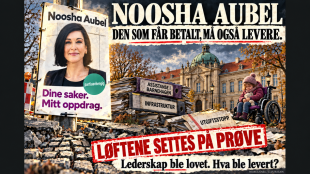
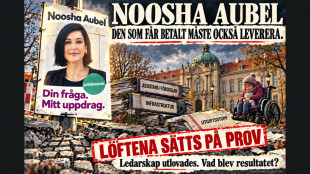 Noosha Aubel: Misslyckat ledarskap i stället för en nystart – är Potsdams överborgmästare vuxen uppgiften?

 Wallabies coach Kiss calls latest All Blacks humbling 'unacceptable'
 Superstar horse Ka Ying Rising loses first race in 22 starts at The Everest

 Rampant All Blacks crush Wallabies 43-21 to extend dominance

 All Blacks crush Wallabies 43-21 to extend dominance

 'No Kings' movement seeks to boost early voting
 Trump waives new Russia sanctions as Ukraine ties slump

 Tiny Fiji village restores dying fishery with coral planting
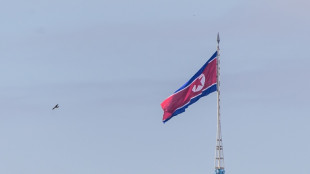 North Korea says tested AI-assisted torpedo system

 Did Chinese cars squeal on Norway's military?

 Guardians-Rays MLB playoff game start delayed by rain

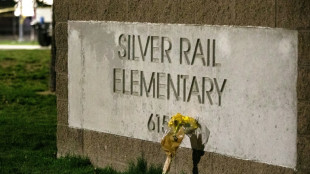 Suspected gunman in Oregon school shooting was 'withdrawn,' neighbors say
 As Champions Cup opens on mournful note, holders Bordeaux-Begles draw

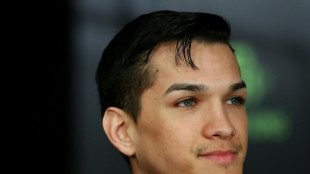 Figueroa loses title at weigh-in but Kameda can win it
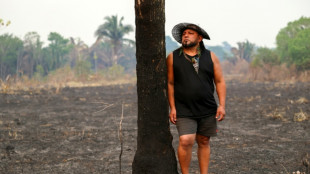 Deforestation in Brazil Amazon hits nearly four-decade low

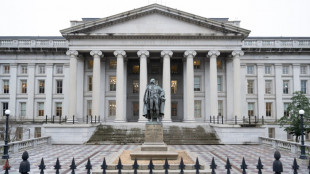 US budget deficit grows to nearly $2 trillion, highest since 2021
 Bend grieves after mass shooting: 'Who would do this to little kids?'

 'Great hero' praised for saving lives in Oregon school shooting

 Trump's new press secretary looks close to exit after just one week
Germany will partially legalise cannabis from Monday, implementing a flagship pledge of Chancellor Olaf Scholz's coalition government.
However, access to the drug will not be straightforward.
Here is a run-down of the new rules:
- April fool? -
From April 1, it will be legal to carry up to 25 grams of dried cannabis for personal use -- enough to roll around 80 joints, depending on how much is used.
Home cultivation will also be allowed, with a limit of up to three plants per adult and 50 grams of dried cannabis.
However, it will remain prohibited to smoke the drug within a 100-metre radius of schools, kindergartens, playgrounds and public sports facilities.
Smoking will also be banned in pedestrian zones between 7:00 am and 8:00 pm.
- 'Cannabis clubs' -
From July 1, Germany is planning to set up regulated cannabis cultivation associations to enable people to obtain the drug legally.
These so-called cannabis clubs will have up to 500 members each and will be able to sell a maximum of 50 grams of dried cannabis per month to each member.
Adults under 21 will be limited to 30 grams of cannabis per month containing no more than 10 percent of the psychoactive substance tetrahydrocannabinol (THC).
Meeting and consuming cannabis at the clubs will not be allowed and membership will be limited to one club at a time.
- No tourists -
The only legal way to obtain cannabis will be to either cultivate it at home or obtain it through the cannabis clubs, with both options limited to people who have been resident in Germany for at least six months.
The restrictions are intended to allay fears from opposition parties, especially the conservative CDU-CSU alliance, that the new law could encourage "drug tourism".
The government of Scholz's Social Democrats, the Greens and the pro-business FDP had originally pledged to go further and allow cannabis to be sold in shops, a move that was slapped down by the EU.
A second law is now in the pipeline to trial the drug's sale in shops or pharmacies in certain regions.
- Criticism -
The government insists the new law will reduce the health risks associated with cannabis because it will tackle the problem of contaminated substances on the black market.
But the law has been widely criticised by medical associations and health groups.
It has also led to complaints from regional authorities, charged with overseeing its implementation.
They fear they will be saddled with extra bureaucracy because they will have to reverse prison sentences and fines already imposed for offences that are no longer punishable under the new law.
Friedrich Merz, the leader of the opposition conservatives, has already warned that if his party were to return to power after the 2025 elections, it would "cancel the law immediately".
B.Baumann--VB