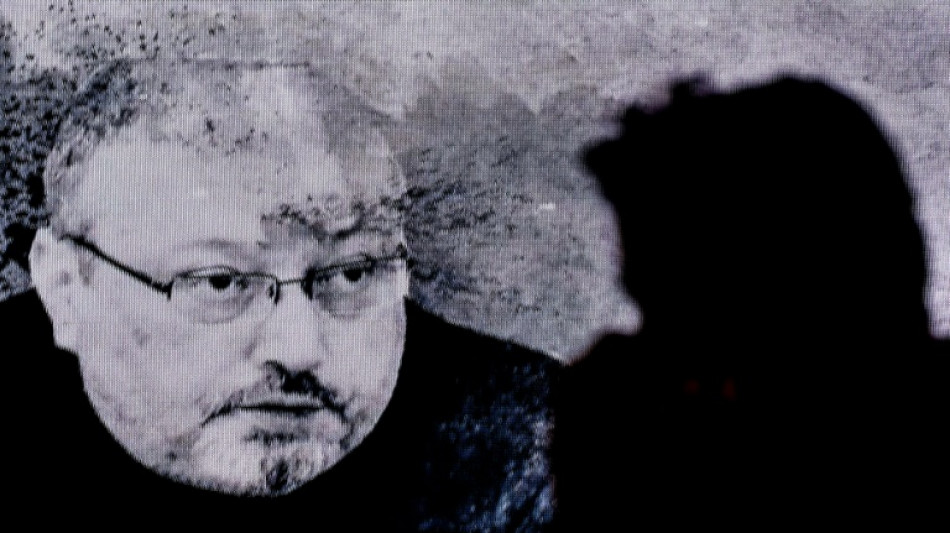
Countries 'reaching beyond borders' to silence dissidents: HRW / Photo: © AFP

 Lula, Bolsonaro to clash once more before Brazil vote
 Dressed to kill: Haircuts cap menacing look of Japan's yakuza

 Napa Valley's wineries feel Trump's tariff squeeze

 Venezuela protests demand return of Nobel winning leader Machado
 Marquez tops incident-packed opening practice for Australian MotoGP

 New York votes to ban Central Park horse carriages after decades of debate

 Australia face selection headaches after 'shambolic' South Africa defeat

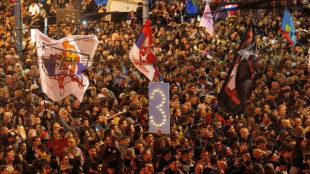 Around 150,000 rally in Belgrade as Serbia heads to pivotal poll

 Hamilton sets sights on racing in African grand prix
 Bournemouth hammer 10-man Milan, Juventus denied at the death

 Judge orders Trump to give deposition in BBC lawsuit by Dec 11

 'Fake' pollsters hit US midterms

 Global markets retreat as tech mood sours, oil prices jump

 Juventus denied at the death, Sunderland make point in Poland in Europa League

 Tens of thousands rally as Serbia heads to pivotal poll
 Monet's 'Iris' fetches 50 mn euros at Paris auction

 L'Oreal sees double-digit sales growth

 Sri Lanka stun England with huge chase after Brook's 202

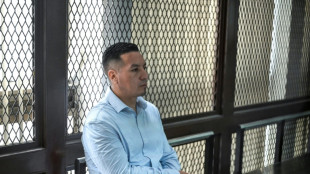 Guatemala sentences former police officers in gay couple's killings

 Nelson's erotic dream letter features in London auction

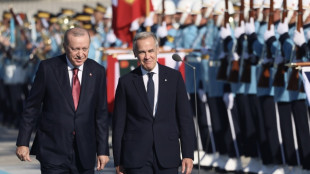 Canada opens free trade talks with Turkey

 Swiss, Austrian women freed after Niger kidnap ordeal
 Austrian-born French resistance fighter dies aged 105: regional official
 Paris shop-owners and residents prepare for fresh protests
 French, Japanese authors try to write novel on one-day train ride

Governments around the world are "reaching beyond their borders" to attack their own citizens abroad in order to crush dissent, Human Rights Watch said Thursday, urging more protection for them.
The New York-based rights group said so-called "transnational repression" was having a "chilling effect" on political criticism and called on countries and international organisations to take action.
"Methods... include killings, abductions, unlawful removals, abuse of consular services, the targeting and collective punishment of relatives, and digital attacks," an HRW report said.
Some governments have abused the Interpol alert system to "illegitimately target a national living abroad".
The report details 75 cases of governments in more than two dozen countries -- including Saudi Arabia, Bahrain, Belarus and Cambodia -- carrying out "human rights abuses... to silence or deter dissent" over the past 15 years.
"Governments should dedicate resources to understand how transnational repression occurs on their soil and take needed steps to better protect those who initially came looking for safety," said HRW's Bruno Stagno.
The rights group said governments attack those living abroad that they deem a threat, including human rights activists, journalists and political opponents.
This had a "serious chilling effect on the rights of freedom of expression... for those who are targeted, or fear they could be," it said.
HRW gave the example of the 2018 murder and dismemberment of Saudi journalist Jamal Khashoggi in Turkey, after he entered the Istanbul consulate to obtain travel documents.
Others have been abducted, it said, like Belarusian journalist Roman Protasevich, who was arrested after his flight from Greece to Lithuania was forced to land in Minsk in 2021. He was sentenced to eight years in jail, then "pardoned".
It said countries had also attacked family members to coerce dissidents into silence.
Police in Chechnya abducted the mother of Ibragim Yangulbaev, who runs an anti-government Telegram channel from abroad, and sentenced her to five and a half years in prison, HRW said.
- Forced returns -
Some governments have abused Interpol's red notices, which trigger a global alert enabling law enforcement to arrest a person before a possible extradition, it added.
In one case, Bahraini dissident Ahmed Jaafar Mohamed Ali fled to Serbia after Bahraini authorities tortured him, HRW said.
But after Bahrain sentenced him to life in prison following "unfair" trials, then issued a red notice against him, he was arrested and unlawfully extradited in January 2022, it said.
In another case, likely involving an agreement between Cambodia and Thailand to swap "foreign fugitives", Thailand forcibly returned home Cambodian refugees Veourn Vesna and Voeung Samnang in 2021. They had links to the opposition.
Thailand earlier this month detained three more Cambodian activists.
Some countries have taken steps to counter transnational repression, including Australia and the United States, HRW said.
Australian police launched a programme to advise Australians on what to do if they think foreign governments are targeting them.
And the United States has passed legislation to counter the use of Interpol for political aims.
But HRW said more needed to be done.
P.Vogel--VB