
China drafts rules for using facial recognition data / Photo: © AFP/File

 Israel elections chief says inquiry into irregularities will not undermine result

 Vacherot beats Lehecka to clinch Basel title

 Buzzy Holmes doc wins slow Halloween box office in N. America

 Mbappe strikes after China controversy as Real Madrid beat Santander

 Almgren makes triumphant marathon debut in New York

 Chinese state TV fails to air Real Madrid match after Mbappe row

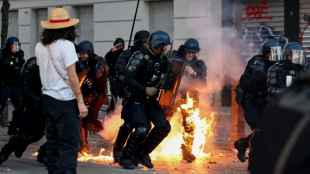 France launches 'attempted murder' probe after petrol bomb attacks on security forces

 Bayern's Saibari sidelined after ankle surgery

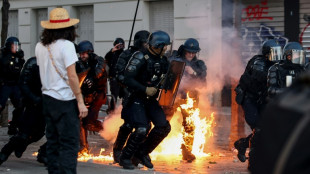 France launches 'attempted murder' probe after petrol bomb attack on security forces

 Tens of thousands protest in India's capital against voter roll revision
 Irish European athletics champion Ciara Mageean dies aged 34

 Seifert blasts 93 as New Zealand win fifth India T20

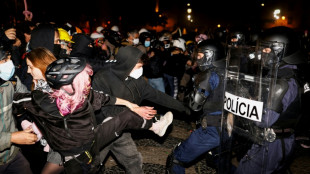 Portuguese police clash with housing protesters, arrest 13

 Marquez wins in Malaysia to stand on brink of MotoGP world title

 Binance says resuming withdrawals after major hack

 Divided Bulgaria votes in tense presidential runoff

 Trump says US looking 'closely' at report Nvidia CEO target of China spy plot

 Maxey scores 38 to lead Sixers 'fighters' to another comeback win

 Valkyries defeat Dream to capture first WNBA crown

 'Seen and heard': Uruguay neighborhood places hopes in pope

 Spewing US election falsehoods, AI chatbots face scrutiny

 EU's new levy on parcels kicks in

 Ocon denies reports of altercation after being dumped by Haas

 Hamilton says love of racing keeps him young

 'Disgraceful' Australia face reckoning after South Africa humbling

Firms using facial recognition in China will be required to obtain consent or legal permission before collecting personal information, draft regulations released Tuesday said, while stipulating the rules would not apply to some bodies.
China is one of the most surveilled societies on Earth, with thousands of CCTV cameras scattered across cities and facial recognition technology widely used in everything from day-to-day law enforcement to political repression.
Draft regulations released by China's Cyberspace Administration warned that use of the technology must "abide by laws and regulations, comply with public order, respect social morality, assume social responsibility, and fulfil duties to protect personal information."
Use of the technology to "analyse... ethnicity or religion" is prohibited, and the processing of facial data can only be carried out with the individual's consent or written legal permission, the law said.
It must also not be used to "endanger national security, harm public interests", or "disrupt social order", the regulations said.
Such technology may be used "only when there is a specific purpose and sufficient necessity, and when strict protection measures are taken", reads one article of the regulation.
But, it stipulated, the rules would not apply to those "not required by laws and administrative regulations to obtain personal consent". It did not specify what those were.
The regulations will enter effect on September 7 following a public consultation period.
A number of top Chinese facial recognition and surveillance firms have faced sanctions by the United States for their alleged role in repression.
State-owned surveillance giant Hikvision was blacklisted in the United States for allegedly helping Beijing carry out a "campaign of repression".
And Hong Kong-listed SenseTime was placed on a similar blacklist in 2019 over the use of its technology in mass surveillance in the western region of Xinjiang.
At an industry expo in Beijing in June, AFP saw a number of prominent firms showcasing tech that allowed them to identify "undesirable" behaviours and scan faces from more than 100 metres (yards) away.
M.Ouellet--BTB