Volcano erupts near Icelandic capital / Photo: © AFP

 England's Rashford unfazed by high-altitude Mexico World Cup test
 In Brazil, Bolsonaro family airs feud ahead of elections
 Postecoglou links up with Ronaldo at Al Nassr
 Sabalenka sets up Wimbledon last-16 clash with Osaka

 Dangerous heatwave hits peak temps along US east coast
 LeBron's agent makes case for 10 new clubs for 41-year-old star

 Trump heads for Mount Rushmore as US turns 250
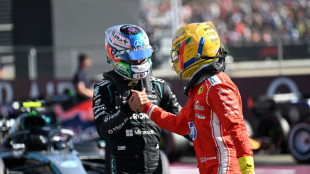
 French Top 14 champions Toulouse fined for salary cap breaches

 Record-equalling Djokovic powers into Wimbledon last 16
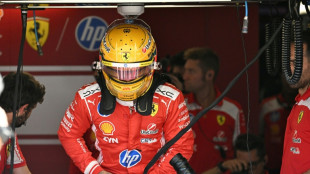
 Ruthless Sinner powers into Wimbledon last 16

 England's Kane feels 'as good as ever' ahead of Mexico World Cup clash

 French Top 14 champions Toulouse fined for salary breaches

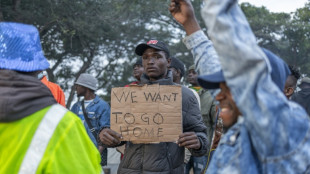 Thousands more head for South Africa's borders
 Australia upbeat about 'ultimate professional' Perry's fitness for World Cup final

 Ukraine backers to vow major support at NATO summit
 Ayuso happy to fly under radar at Tour de France
 Curran ready to fill England gap left by Stokes exit
 Djokovic has history on the line at Wimbledon
 Hamilton sparkles in Silverstone sunshine

 Swift and Kelce set to tie the knot in glitzy arena extravaganza

 Police hunt for Ukrainian woman over Monaco bomb attack

 Kenya's abortion taboo is killing thousands of women
 Madonna returns to form with dancefloor filler "Confessions II"
 Dean says Australia final a 'fresh start' for England
 Wimbledon giving Serena 'as much time' as possible for doubles
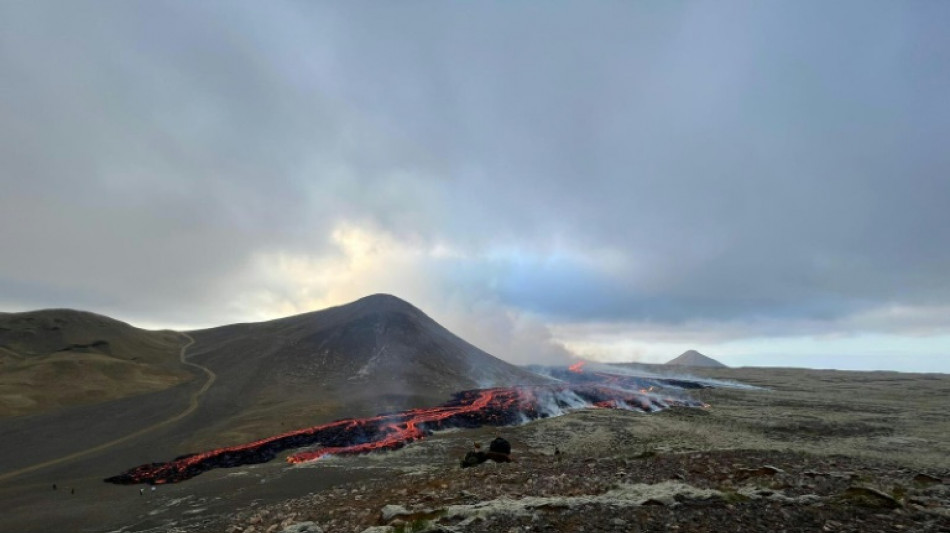
A volcano erupted near Iceland's capital on Monday, the country's meteorological office said, marking the third time in two years that lava has gushed out in the area.
Local media footage shows a massive cloud of smoke rising from the ground as well as a substantial flow of lava at the site around 30 kilometres (19 miles) from Reykjavik.
According to an AFP reporter, the smoke can be seen from the road connecting the capital to the international airport, with cars pulled over and people taking pictures.
"The eruption is taking place in a small depression just north of Litli Hrutur ('Little Ram' in Icelandic) from which smoke is escaping in a north-westerly direction," the meteorological office said.
"There are three fissures with lava basically running in all directions," Thorvaldur Thordarson, Professor in Volcanology at University of Iceland, told AFP.
He added that the fissures are in total around 200 to 300 meters long and "it is a low intensity, effusive eruption."
This means "it's not causing widespread threats due to explosive activity" but "if the eruption continues for long enough it could be a threat to infrastructure."
Thousands of small earthquakes were recorded in the area in the week leading up to the eruption, signalling that the magma below the ground was moving and an eruption was imminent.
The Icelandic authorities advised against going to the site, located in difficult terrain without road connection, before they have assessed the situation.
The magma broke through the ground at around 1640 GMT, just a few kilometres from two previous eruptions in the last two years.
The first was on March 19, 2021 in the Geldingadalur valley and lasted six months, while the second occurred on August 3, 2022 in the Meradalir valley, lasting three weeks.
Prior to the 2021 eruption, the region had remained dormant for eight centuries, but volcanologists believe the new cycle of increased activity could last several years.
The effusive eruptions that have occurred in this area so far have not been very dangerous, nor have they had any impact on air traffic.
The 2021 and 2022 eruptions attracted hundreds of thousands of visitors hoping to catch a rare glimpse of an active volcano.
Thordarson said the eruption could last anywhere from "a few days" to more than half a year like in 2021, or even longer.
- Land of fire and ice -
Iceland has 33 volcanic systems currently considered active, the highest number in Europe. It has an eruption every five years on average.
The North Atlantic island straddles the Mid-Atlantic Ridge, a crack in the ocean floor separating the Eurasian and North American tectonic plates.
In April 2010, some 100,000 flights were cancelled, leaving more than 10 million travellers stranded, following the massive eruption of the Eyjafjallajokull volcano.
Other volcanoes, such as Askja in the uninhabited highlands of central Iceland, have recently shown signs of activity.
One of the country's most dangerous volcanoes is Katla, near the south coast. It last erupted in 1918, with an unusually long pause suggesting an imminent reawakening.
The 1783 eruption of the Laki volcanic fissure in the south of the island is considered by some experts to be the most devastating in Iceland's history, causing its biggest environmental and socio-economic catastrophe.
Between 50 to 80 percent of Iceland's livestock was killed, leading to a famine that left a quarter of the country's population dead.
The meteorological impact of the eruption also had repercussions for several years, with some experts suggesting it may have played a part in triggering the French Revolution.
O.Lorenz--BTB