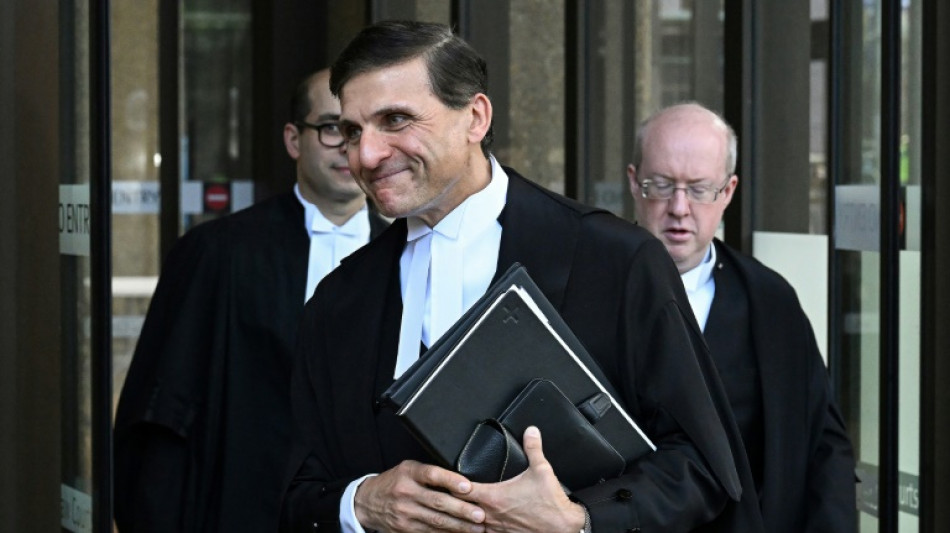
Famed Australian soldier loses war crimes defamation case / Photo: © AFP

 Japan beat Italy 27-10 in Nations Championship opener
 Struggling German auto supplier Continental to sell unit
 Pope urges Europe to protect migrants in visit to island frontier
 Mass protests in Germany as far-right AfD meets
 France face Philly furnace as World Cup last 16 gets under way

 Australia goalkeepers were in dark about World Cup shootout switch
 Billboards, cologne and flowers: Turkish capital gets NATO makeover

 Trump says American identity under 'renewed attack' as US turns 250
 World Cup serves up Wimbledon dilemma: football or tennis?

 Huge crowds gather as Khamenei funeral ceremonies begin in Iran

 Trump set for Mount Rushmore address as US turns 250
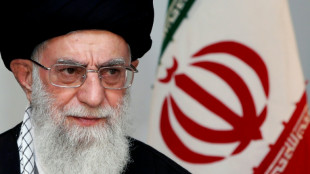
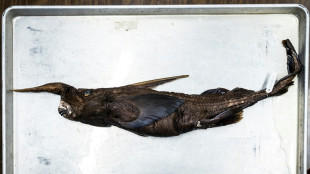 New species of ghost shark may have been found in Costa Rica

 Argentina advance after Cape Verde World Cup scare, Egypt through

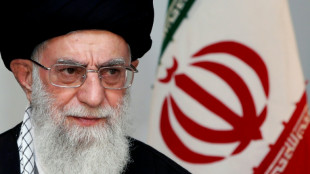 Huge crowds expected as Khamenei funeral ceremonies open in Iran
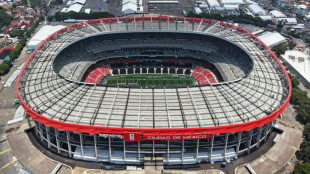
 Swift and Kelce marry as global stars swarm 'royal wedding'
 Hurdles record-breaker Tharp says 'sky's the limit'

 Salah says 'had to do it' after coolest of penalties in World Cup win
 Australia's Popovic on defensive as gamble fails in World Cup exit

 Maiden ton for Udara as Sri Lanka pile on the runs in 2nd Test
 Norway pin hopes on Haaland against Brazil in World Cup last 16
 Egypt down Australia to reach World Cup last 16, Cape Verde face Messi
 Families demand help with recovering Venezuela's quake victims
 England's Rashford unfazed by high-altitude Mexico World Cup test
 In Brazil, Bolsonaro family airs feud ahead of elections
 Postecoglou links up with Ronaldo at Al Nassr
One of Australia's most decorated soldiers lost a landmark defamation case against major newspapers Thursday after a bruising trial that saw accusations of murder, domestic violence, witness intimidation and war crimes.
Ben Roberts-Smith, a former member of Australia's elite Special Air Service regiment, sued three newspapers after 2018 reports alleged he was involved in the murder of six unarmed prisoners in Afghanistan.
Roberts-Smith denied the allegations and launched a multi-million-dollar defamation case in response.
But after two years of deliberations, Justice Anthony Beskano said the papers had proven that the bulk of their allegations were "substantially true" and dismissed the case.
The verdict was hailed as a major victory for Australian media freedom, with journalist and defendant Nick McKenzie tweeting: "Justice."
Before the trial, Perth-born Roberts-Smith had been Australia's most famous and distinguished living soldier.
He won the Victoria Cross -- Australia's highest military honour -- for "conspicuous gallantry" in Afghanistan, where his unit was hunting for a senior Taliban commander.
He met then Queen Elizabeth II and his image hung in the Australian War Memorial in Canberra.
But reporters at The Age, The Sydney Morning Herald and The Canberra Times alleged that behind Roberts-Smith's lauded public persona lay a pattern of criminal behaviour.
The papers said Roberts-Smith had kicked an unarmed Afghan civilian off a cliff and ordered subordinates to shoot him.
He was also said to have taken part in the machine-gunning of a man with a prosthetic leg, later bringing the leg back to Australia and using it as a drinking vessel with other soldiers.
The towering veteran was also accused of domestic violence against a woman in a Canberra hotel and of engaging "in a campaign of bullying" against a fellow soldier -- allegations the justice said had not been completely proven.
The case became one of Australia's longest-running defamation trials, with 40 witnesses providing often harrowing evidence about the behaviour of Australia's special forces.
Australian media has estimated the legal costs have run to US$16 million, making it one of the costliest defamation cases in the country's history.
Lawyers for the media indicated they would be seeking "indemnity costs against the applicant" at a later date.
Roberts-Smith's defence was partially bankrolled by the boss of Seven West Media, a rival to the three newspapers.
He was photographed holidaying in Bali ahead of the ruling and did not attend court.
- Long war -
Australia deployed 39,000 troops to Afghanistan over two decades as part of US and NATO-led operations against the Taliban and other militant groups.
As veterans returned home, the actions of some troops have come into sharp legal focus.
A 2020 internal military investigation found special forces personnel "unlawfully killed" 39 Afghan civilians and prisoners.
The inquiry revealed allegations of summary executions, body count competitions and torture by Australian forces.
The report was a watershed moment for Australia, which is more secretive than many democracies and has a record of silencing whistleblowers and prosecuting journalists involved in bringing wrongdoing to light.
But fierce pressure to investigate allegations of war crimes came from within Australia and overseas.
Australia is a signatory to the founding document of the International Criminal Court, which carries an obligation to investigate and prosecute war crimes.
Australia's top ally the United States had warned that a failure to prosecute human rights abuses could result in a bar on military aid to and cooperation with accused units.
Under growing pressure, the government appointed a Special Investigator to probe whether current and former soldiers should face criminal charges.
That process has already resulted in one man in his 40s being charged with "one count of War Crime—Murder", the first serving or former Australian Defence Force member to face such charges.
Local media has reported that Roberts-Smith is one of those still being investigated by the Office of the Special Investigator.
F.Pavlenko--BTB