Russia silences independent media amid Ukraine conflict / Photo: ©

 Brewers rout Rays to reach brink of World Series sweep
 Mbappe dropped by Chinese brands for 'offending national sentiments'
 Kuwait exhibition presents Ukraine’s Islamic heritage and cultural ties
 Tech firms track Wall St rally on mixed day for Asian markets
 Jay-Z to perform at Super Bowl LXI halftime show: NFL

 Climate-threatened Fijian utopia rejects calls to relocate
 Israel to give verdict on Netanyahu in pivotal election
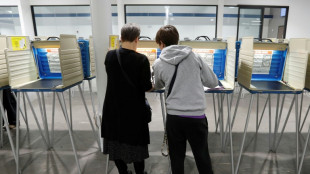 $1m bounties, dawn arrests: Trump presses voter fraud campaign
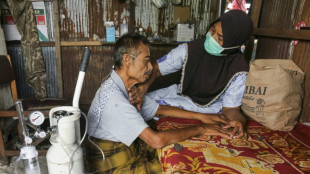 Gasping for air: Borneo residents struggle as island burns
 Doha exhibition charts a millennium of Chinese maritime ceramics trade
 New Zealand ex-PM Ardern to teach leadership in Sydney

 Ballon d'Or 'beyond wildest dreams' but Kane has plenty more to prove
 No envy, no secrets: How Spain's Gipuzkoa became football coaching hotbed
 South Korea economy grows three times faster than expected in Q3

 Al-Thawadi urges technology to deepen human connection through shared experiences
 Ballon d'Or: Harry Kane's crowning moment
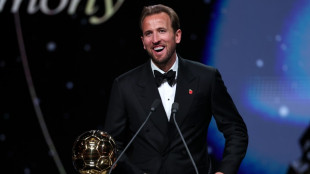 Harry Kane wins men's Ballon d'Or

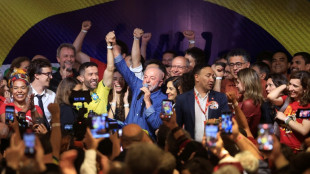
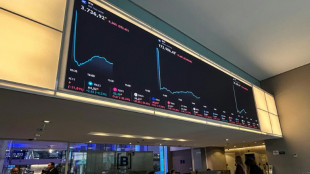 Lula win rattles Brazil markets over spending spree fears

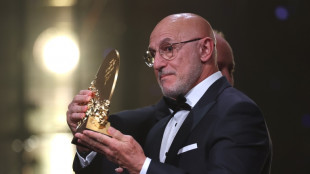 De la Fuente wins men's Ballon d'Or coach of year

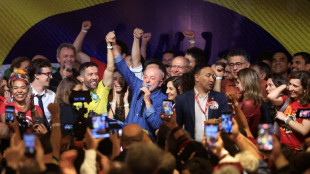 Trump slams 'rigged' Brazil election after ally loses to leftist Lula
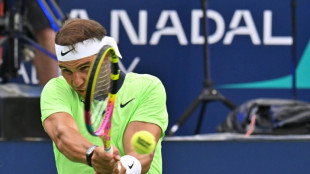 Nadal returns for Vegas hardcourt event
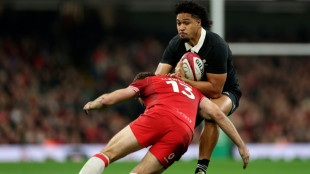 Fainga'anuku named as loose forward for All Blacks northern tour

 Anthropic points to AI dangers, soaring sales in IPO filing
 Sinner to play rescheduled Saudi Six Kings in December
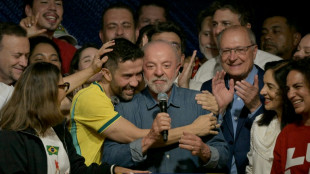 Brazilian lawmaker Andre Janones, Lula's social media 'general'

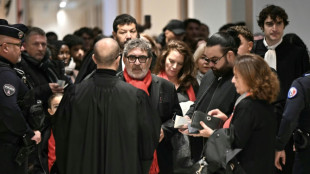
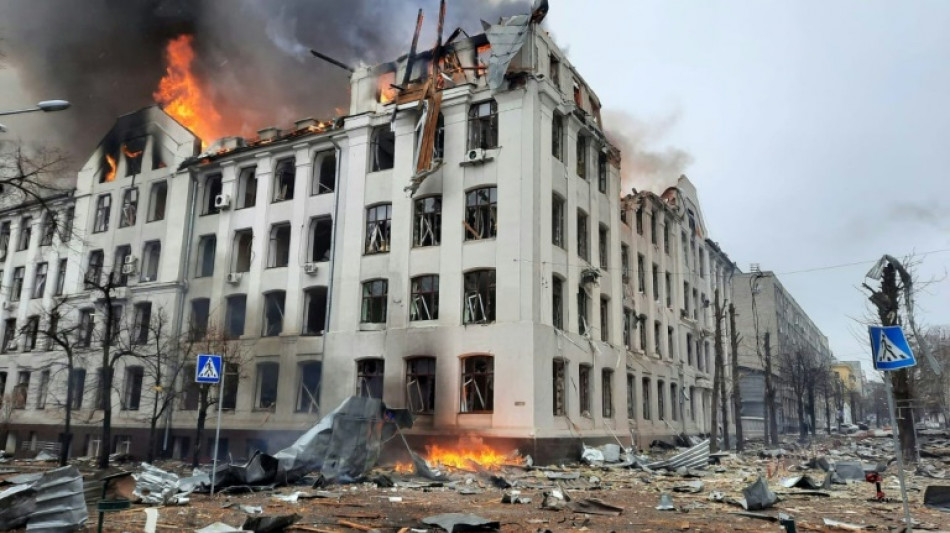
Russia's blocking of a liberal radio station and an independent TV channel has shaken remaining independent media in the country that see the invasion of Ukraine as opening up a "second front" against them.
Russia's prosecutor general on Tuesday ordered the country's media watchdog to "restrict access" to the Ekho Moskvy radio station and the Dozhd TV channel.
It said the ban stems from the "purposeful and systematic" posting of "information calling for extremist activity and violence" and "deliberately false information about the actions of Russian military personnel" in Ukraine.
The past year has seen an unprecedented crackdown on independent and critical voices in Russia.
Dozens of media workers and independent outlets -- including Dozhd -- have been designated "foreign agents" by authorities.
A term with Soviet-era undertones, the status obliges those hit with the label to disclose sources of funding and label publications -- including social media posts -- with a tag or face fines.
The day after the ban on Dozhd was handed down, the channel's editor-in-chief Tikhon Dziadko announced on Telegram that he had fled Russia, like some of his colleagues, saying he was "in danger".
The latest shutdowns were due to the independent media refusing to toe the official line on the war in Ukraine.
According to the Kremlin, the action in neighbouring Ukraine is a military operation, not invasion, designed to protect Russia from the West and to protect Russian speakers from "genocide."
- 'Censorship' -
At the same time, the government is preparing to tighten its repressive legal arsenal.
A bill providing for up to 15 years in prison for any publication of "fake news" concerning the Russian armed forces will be examined in the Duma during an extraordinary session on Friday, parliamentarian Sergei Boyarsky told the state-run TASS news agency.
The prosecutor's office stressed over the weekend that "providing financial, logistical, consultative or other assistance" to a foreign organisation or state for "their activities against the security of Russia" constitutes high treason, and is punishable by up to 20 years in prison.
The vague wording of the law makes it applicable in a broad number of cases.
"There are enough laws in Russia to condemn a journalist for any reason. And enough tools to eliminate a media outlet," said Galina Timchenko, director of the Meduza news website, which publishes in Russian and English and is based in EU-member Latvia.
"Censorship is already in place," she added, after Russia's ban in the media of the words "invasion," "offensive" and "declaration of war" issued Saturday.
There is also a ban on mentioning civilian deaths caused by Russia's invasion of Ukraine.
However, on Wednesday, Meduza welcomed its readers with the word "war" written in large letters.
"In any case (Russia's media regulator Roskomnadzor) will soon pull the plug on us," said a journalist on the site, speaking on condition of anonymity.
- Information war -
"Other media will soon be blocked," echoed Lev Ponomarev, a respected human rights activist who has already been arrested for demonstrating against the war like thousands of other Russians at small gatherings across the country.
There's a "blanket ban coming down" said Jeanne Cavelier, Russian head of the Reporters Without Borders NGO.
In addition to Ekho Moskvy radio and Dozhd TV channel, at least six other Russian media outlets have been blocked by Roskomnadzor since the invasion of Ukraine began on February 24, she said.
Cavalier predicts that no independent media will survive in Russia, not even the opposition newspaper Novaya Gazeta, whose editor-in-chief Dmitry Muratov was awarded the Nobel Peace Prize in 2021.
The "war on the media" is "the second front" of the invasion of Ukraine, says Timchenko.
"The Kremlin is afraid of losing this information war", adds Ponomarev.
Meanwhile state-run media are in overdrive.
Dmitry Kiselyov, considered a Kremlin mouthpiece with a long-running Sunday TV programme, proclaimed during a presentation of Russia's nuclear forces, "what's the point of having a world in which Russia no longer exists?"
Kiselyov is on the EU sanctions list introduced over Russia's actions in Ukraine.
"It's as if we're going back to the Soviet era, except that now the Internet exists," said Cavelier, who expects independent websites to be blocked and journalists to be arrested.
Alexei Mukhin, director of the pro-Kremlin Centre for Political Information in Moscow, says "censorship is simply impossible in the Internet era" and denies any offensive against respectable media.
On the other hand, Russian authorities are facing "political opponents who have gone mad and are participating in an information war, spreading Ukrainian propaganda and generating panic", he added.
For Meduza's Timchenko, there is little doubt on the outcome of the Kremlin's battle against independent media.
"I have the impression that Putin's final goal is to keep only those who are in his favour. The rest will be forced to flee or be eliminated."
M.Ouellet--BTB