Censorship row as India army blocks film on gay soldier / Photo: ©

 Climate-threatened Fijian utopia rejects calls to relocate
 Bolsonaro's party says it recognizes Lula's election win in Brazil
 Meghan on TV menu for 'Junior MasterChef Australia'
 South Korea's chip boom fuels forecast-beating third-quarter growth
 US-brokered truce begins in Ukraine city occupied by Russia
 Qatar launches Fashion and Crafts Council to connect talent with global markets
 Jordan strikes militant groups in Syria after church attack
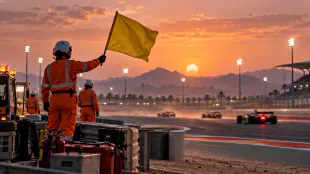 FIA chief praises Middle East motorsport volunteers and officials
 Australia warns of 'unprecedented' AI threat
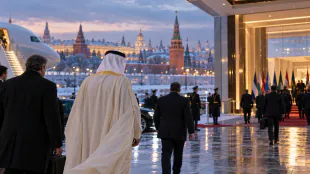 Qatar Amir arrives in Moscow for eighth GECF summit
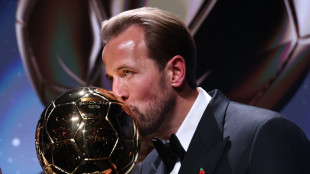
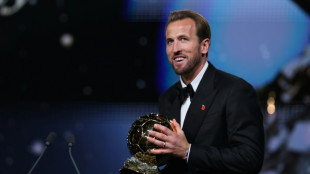 Kane beats Yamal and Mbappe to taste Ballon d'Or glory
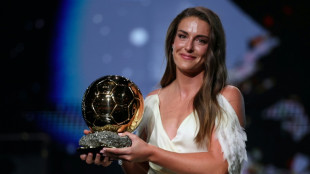 Ballon d'Or crowns Putellas's return to top of women's game
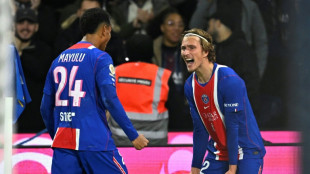 Godts stars as PSG beat Lyon to go top of Ligue 1
 NBA inks deal with Kalshi and Polymarket, citing safeguards
 US rapper Macklemore launches 'Free Palestine Tour' after Ed Sheeran fallout
 Venezuela leader criticizes Machado over dramatic return from exile
 Brazil markets battered after Lula win, AI in focus elsewhere
 Lula savors Brazil win as Bolsonaro rejects result, markets tumble
 Canadian youths ask court to impose binding climate protections
 Walter Koenig, who played original Chekov on 'Star Trek,' dies at 90
 Netanyahu, rivals trade attacks over Iran as clock counts down to Israel vote
 Townsend urges Scotland to use Nations Championship as World Cup springboard
 Microsoft offers voluntary exit packages to 60,000 staff
 S.Africa ambassador calls for talks with US over 'tense' ties
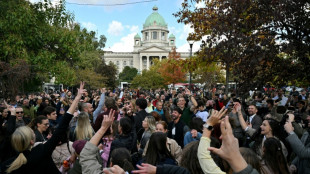
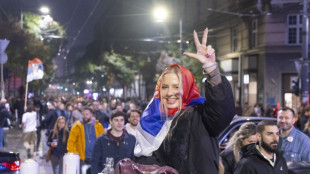 'Smells of freedom': Serbians hopeful after landmark election
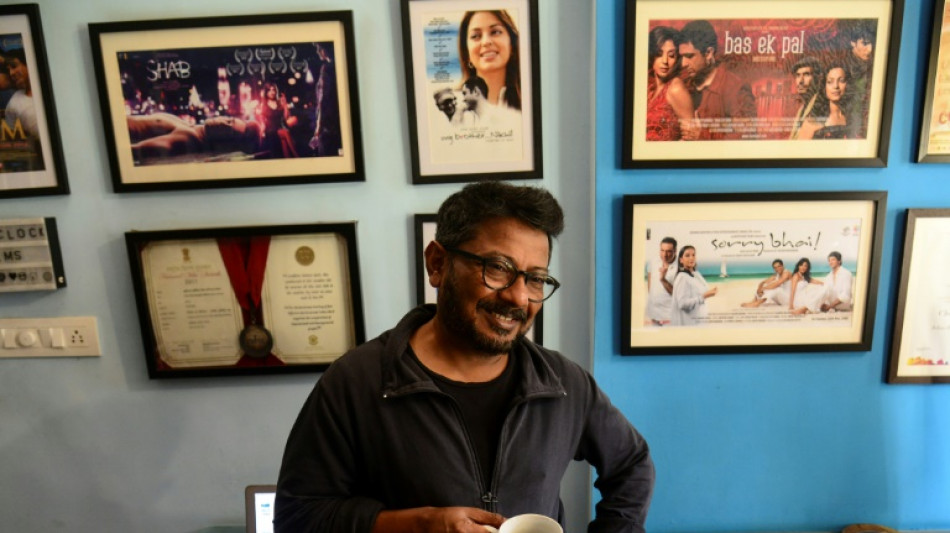
Critically-acclaimed Indian filmmaker Onir wanted to direct a movie inspired by a gay army major who resigned and came out in a blaze of publicity -- but despite the country's democratic status the military stopped it being made.
Prime Minister Narendra Modi's Hindu-nationalist government has been repeatedly accused of ramping up censorship in a systematic attack on dissent -- including clampdowns on human rights activists, journalists and NGOs -- since coming to power eight years ago.
In 2020 it issued an order advising filmmakers to seek prior clearance for any military-themed script, a decision described by free speech campaigners as both Orwellian and unconstitutional in the world's largest democracy.
Onir, who uses only one name, is gay himself and was among the first major Bollywood figures to openly acknowledge his sexuality.
He is known for his movies about the lives of socially marginalised groups, and his creative eye was caught by the case of Major J. Suresh, who hit national headlines in 2020 after he quit the army and announced: "Out!! Proud!! Liberated!!"
"I'm gay -- and I'm very proud that I'm gay," the ex-army officer -- who had served in some of India's most turbulent regions including Kashmir -- wrote on his blog.
He later gave a ground-breaking interview on national television that went viral in the socially conservative country.
Onir's script, "We Are", narrates four stories, those of a trans woman, a lesbian, a bisexual man and a fictitious account of love between a gay officer and a Kashmiri boy.
But when he approached the defence ministry for a "no objection certificate" -- which most studios, streaming platforms and producers now insist on to ensure there are no legal or administrative hurdles -- he was rejected.
"They told me... the fact that I have portrayed the army man as gay is illegal," he told AFP.
-'Barometer of patriotism' -
India only decriminalised gay sex in a 2018 Supreme Court ruling, but both homosexuality and adultery remain punishable offences under the Army Act, with jail terms of up to 10 years.
At the same time, India also has a long history of post-production film censorship, and concerns over freedom of expression were raised by new social media regulations last year.
The country's junior defence minister Ajay Bhatt confirmed to parliament last week that Onir's film had been refused permission because of "the portrayal of a romantic relationship between an army soldier serving in Kashmir and a local boy which casts (the) Indian army in poor light and raises security concerns".
He insisted the pre-screening process was neither unconstitutional nor a denial of free speech, and said the government considered factors including national security, popular sentiment and the image of the armed forces to ensure the military "isn't depicted in a manner which brings disrepute".
But Mumbai-based Onir, 52, pointed out that movies where officers fall in love with women were never rejected.
"Why is one's sexuality being made the barometer for one's patriotism or ability to defend the nation?" he asked.
"Everyone seems to get offended over the slightest things but what about the artists' creativity or sentiments?" he added. "We don't matter."
Several of his films have addressed gay themes, including "My Brother... Nikhil", the story of Indian swimming champion Dominic D'Souza who was arrested in the 1980s after testing HIV positive.
"I Am" combined four stories examining same-sex relationships and other taboo subjects such as sperm donation and child abuse.
It was named the best Hindi film in the 2012 National Film Awards, the country's equivalent of the Oscars, but even then satellite channels declined to broadcast it.
In his own life, he said, "I have always been out. I have never had any one moment of coming out or crisis about who I am."
- 'Patriotic chest-thumping' -
Some of the most popular military-themed movies and web series in India in recent years have been nationalistic, all-guns-blazing stories of heroics by soldiers, including "Uri: The Surgical Strike", inspired by a Modi-ordered 2016 operation into Pakistani-controlled Kashmir.
The prime minister's populist vision of a muscular India dominated by the Hindu majority has brought him multiple election wins, and he enjoys strong support in the armed forces, whose budgets and benefits he has significantly improved.
But critics say giving the military control over how it is portrayed is fundamentally inappropriate in a democratic country.
"It's problematic," said Hartosh Singh Bal, political editor of Caravan magazine. "How can the army decide how it is depicted, seen or criticised by the people?"
India's military has traditionally stayed well clear of domestic politics, unlike those of neighbouring Pakistan, Bangladesh and Myanmar, all of which have seen multiple coups.
But Modi's government has "repeatedly invoked the army with its patriotic chest-thumping for domestic politics", Bal said, and now senior generals have "started making political comments".
"I can think of one democratic parallel where the military is allowed control over free speech: across the border, in Pakistan," he added. "But no one in this government likes that comparison."
J.Fankhauser--BTB