Sudan's Rastas fear new crackdown but vow to fight on / Photo: © AFP

 Charity crowdfunds millions to buy historic English estate
 'Diabolical' Halloween festivities banned in Honduran towns

 Everton boss Moyes backs 'club decision' to drop Grealish for Newcastle tie

 DoorDash shares rise as Instacart slips following $17 billion takeover plan

 Japanese star Forever Young goes for rare Breeders Cup Classic repeat

 Inter Miami stay third after 2-2 draw with FC Cincinnati

 Inkle buys Finally bookkeeping unit and expands India-based workforce

 PI Industries plans Indian launch of Pioxaniliprole insecticide this rabi season
 Small-market Brewers upend big-spenders as baseball lockout looms

 ISRO schedules NVS-03 navigation satellite launch for Friday

 Antonelli struck with illness ahead of Mexico GP

 Google drags down US stocks as Lagarde signals early ECB exit
 Kuwait minister and Blind Association discuss support for visually impaired people

 'Star Trek', 'X-Men' star Patrick Stewart dead at 86

 Kuwait traffic authority cautions against hazard lights while driving in rain

 Germany's Zverev becomes tennis world No. 1
 Grealish dropped for Everton's League Cup tie after disciplinary breach

 Kuwait National Guard official visits member injured during training
 Machado says Trump opened 'floodgate to freedom' for Venezuela

 CNN Global Perspectives prepares Doha debut with international speaker lineup

 Qatar Olympic Academy completes record sports management course

 Jazeera Paints showcases housing solutions at Build Your House 2026 in Qatar

 French shooting suspect targeted Muslims, Africans: prosecutor

 Es’hailSat and Arabsat agree broader satellite and broadcasting cooperation

 Qatar and Russia outline plans to expand strategic partnership
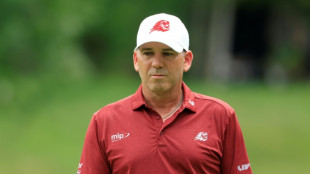
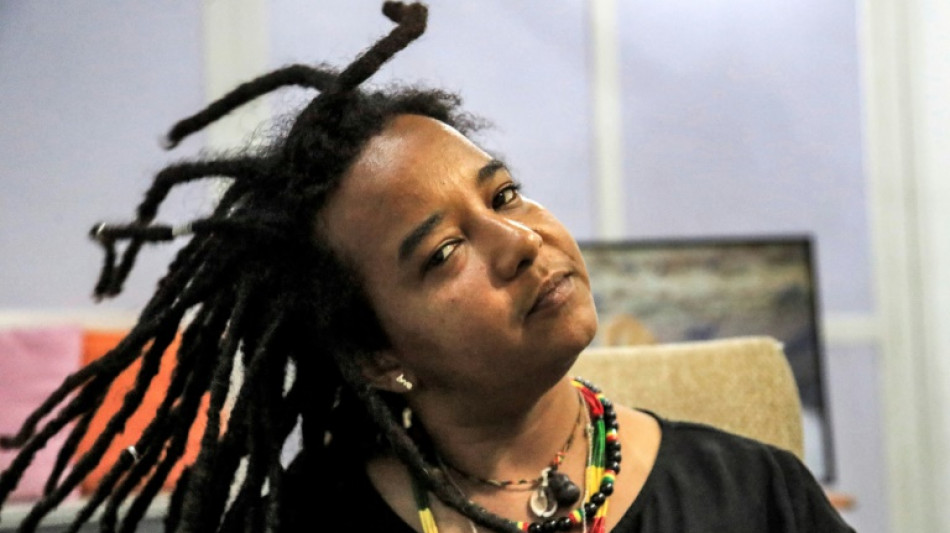
With his distinctive long dreadlocks and slouchy beanie, Abdallah Ahmed has always known his choice of lifestyle means trouble in Sudan, where long-oppressed Rastafarians say they are being targeted anew.
Ahmed, 31, has for years been enamoured of the Rastafari tradition which emerged in Jamaica last century and for him represents "telling the truth, being courageous, fighting for rights".
The number of Rastafarians in Sudan is unknown, and the community had largely lived underground under the autocratic rule of Omar al-Bashir, who was ousted in April 2019 following mass protests against his regime.
"We were very enthused after Bashir's fall," said Ahmed, a long-time Bob Marley fan also known as "Maxman", at an art exhibition where he was performing reggae music with his band.
"Musicians and artists flourished," he said, donning brightly coloured head and wrist bands.
But a brief whiff of freedom did not last as a post-Bashir transition to civilian rule was upended last year when army chief Abdel Fattah al-Burhan led a military coup.
Rastafarianism considers former Ethiopian emperor Haile Selassie to be its Messiah, but like many followers in Sudan, Ahmed told AFP that he saw it "not as a religion"
"It's a lifestyle, and it's me."
Under Bashir, community members were regularly harassed, had their heads shaved and faced persecution under stringent public order laws restricting how people dress or behave in public.
Ahmed said he had been arrested for drug possession in 2017 while performing music in public, and was flogged 20 times.
Followers of the Rastafari tradition have always been "easy targets" for security forces due to their looks, said Ahmed.
"It however never stopped us from growing our hair," he added.
"Some of us died while holding on to their personal lifestyle."
- 'Rasta never dies' -
The killings of several Sudanese Rastafarians in mass anti-coup demonstrations since Burhan's takeover last year have given rise to a popular protest slogan, "The Rasta never dies".
At least 121 people have been killed in the crackdown on protests since the October 2021 coup, according to pro-democracy medics.
Noting the "peacefulness and spontaneity" of the demonstrations, 35-year-old filmmaker Afraa Saad told AFP "this made us believe they were being especially targeted."
"I believe the slogan emerged to say that their good reputation will last."
Being a woman, Saad said she has faced greater scrutiny than men Rastafarians since she embraced the tradition during the height of the anti-Bashir demonstrations.
"The most persistent objection is why would a girl wear dreadlocks when there are other more acceptable hairstyles," she said, noting a "prevalent stereotype" tying dreadlocks with drug use and "unbecoming behaviour".
Saad sees her lifestyle choice as part of Sudanese women's uphill battle against strict policing of social mores since the Bashir regime.
Women were at the forefront of the mass protests against the longtime autocrat's rule, voicing their anger at decades of discrimination that severely restricted their role in society.
"I simply don't heed to this," Saad said.
"This is my identity and it's who I am."
For some in Sudan, wearing dreadlocks, listening to reggae music or having a Rasta-like lifestyle is merely an act of defiance.
Saleh Abdalla, 26, who wears his hair in short dreadlocks, said it was his way of protesting the October 2021 military coup.
"We are refusing all violations that take place on behalf of authorities," he told AFP during one anti-coup demonstration in the capital Khartoum last month.
"I will keep the Rasta (dreadlocks) until the regime falls."
N.Fournier--BTB