-
 MEXC Tops New Contract Listings in CoinGecko's 2026 State of Crypto Perpetuals Report
-
New Zealand dismiss England debutant Gay before rain halts 150th Lord's Test
-
 Vast astronaut mission kicks off commercial race to replace ISS
-
Zverev heads up final four in men's French Open semis
-
 What we know about Kushner's project in Albania
-
Iran leader says dealt enemies 'decisive blow' in Mideast war
-
 City weigh legal action after Real Madrid presidential hopeful targets Haaland
-
French pair propose new term to define 'environment'
-
 'Persepolis' author Marjane Satrapi dies aged 56
-
SpaceX seeks a record $75 bn in stock market debut
-
 Israel strikes Lebanon after truce announcement
-
Somalia capital rocked by gunfire and fighting overnight

-
 South Korea ruling party fails to flip Seoul in blemish on local poll results
-
South Africa's closed white enclave attracting Afrikaner youth
-
 Nigerian museum revamp brings treasures within reach
-
Nepali climber alive after six days missing on Everest

-
 South Korea's ruling party fails to flip Seoul in blemish to local polls showing
-
Brunson vows no let up after Knicks comeback sinks Spurs

-
 From poplars to pistachios, Afghans rediscover the value of trees
-
South Korea edge El Salvador 1-0 in final World Cup warm-up

-
 Wembanyama 'not worried' after Knicks stun Spurs in finals opener
-
Knicks rally to beat Spurs in NBA Finals game-one thriller

-
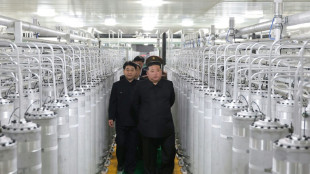 N. Korea's Kim vows 'exponential' boost in nuclear forces
-
Overtaken by Hong Kong in global wealth management, Swiss keep cool

-
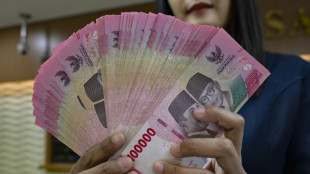 Indonesian rupiah falls to record low against US dollar
-
Stocks drop on AI, rate hike worries as Lebanon deal hits oil

-
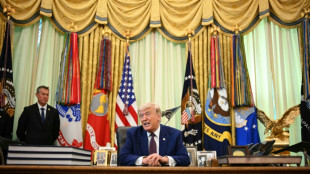 US House votes to curb Trump on Iran war as talks stall
-
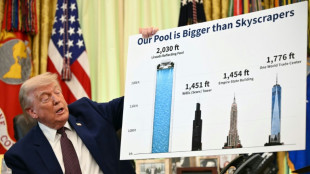
'Our pool is bigger than skyscrapers': Amid war, Trump touts Washington projects
-
 Ferrari tipped to end Antonelli's winning run
-
"I am from Bosnia" -- Bosnia's first World Cup success
-
 Brumbies battle the odds in Super Rugby playoff against Hurricanes
-
Morocco's dual-national scouting policy pays rich dividends

-
 Favourites keep apart in lead up to Tour de France
-
Ukraine strike kills 3 in Russian-occupied Crimea
-
 Fiji rejects Australian billionaire's 'Pacific ashtray' plan to ship, burn waste
-
In Peru's highlands, hopelessness shapes a bitter presidential runoff
-
 Tim Berners-Lee calls for AI to preserve 'original values' of web
-
China bans New Zealand lawmakers over Taiwan trip

-
 South Korean adoptees sue Denmark over right to know birth families
-
Show must go on for ballerinas in crisis-hit Cuba

-
 NBA 'on schedule' with Europe league plans: Silver
-
Plan to merge BBL's Melbourne teams sparks 'anxiety' for players
-
 World Cup fans barred from bringing water bottles into stadia
-
Israel, Lebanon agree to conditional ceasefire

-
 New Delhi hotel blaze kills 21, including foreigners
-
Bayeux Tapestry to be moved in secret to British Museum: minister
-
 Meta lashes Australia's bid to make tech giants pay for news
-
NZ football star meets influencer behind viral fame

-
 'Thank you, Football' - quarterback Russell Wilson confirms move to broadcasting
-
Meta lashes Australia bid to make tech giants pay for news
Next Generation EU a scam?
The Next Generation EU (NGEU) fund, an unprecedented European Union economic recovery package, was launched in 2020 to help member states recover from the economic and social impact of the COVID 19 pandemic. With a volume of €750 billion, divided into grants and loans, NGEU aims to make Europe greener, more digital and more resilient (European Commission, Recovery plan for Europe). However, the implementation and effectiveness of the programme have been met with controversy and criticism, leading some to call it the EU's ‘biggest scam’. This report analyses the reasons for this criticism, based on fraud cases, political tensions and economic doubts.
Fraud and misuse of funds
A key point of criticism is the high number of fraud cases affecting the programme. In April 2024, 22 people were arrested in Italy, Austria, Romania and Slovakia on charges of embezzling €600 million from the Italian National Recovery and Resilience Plan (NRRP), which is part of NGEU. The criminals used a network of accountants, service providers and notaries to fraudulently obtain non-repayable funds and transfer the money abroad.
Another case concerns the procurement of power generators for Ukraine, which was managed by the Polish government agency for strategic reserves (RARS). The European Anti-Fraud Office (OLAF) recommended the recovery of over €91 million due to serious irregularities, including inflated prices and a lack of competition (European Commission, OLAF completes investigation into suspected serious irregularities). These cases are not isolated: in 2022, OLAF recorded a 7% increase in fraud cases, with irregularities worth €1.77 billion. At the end of 2024, the European Public Prosecutor's Office (EPPO) was handling 311 active cases with an estimated €2.8 billion in damages to the EU budget, mostly related to NGEU (Balkan Insight, EU Fraud Keeps Rising as Prosecutors Investigate 38% More Cases in 2024).
Political controversies and delays
Besides the fraud cases, there were political tensions that delayed the implementation of NGEU. Poland and Hungary initially blocked the adoption of the fund due to concerns about the rule of law conditions. This led to delays in the disbursement of funds and political tensions within the EU (Wikipedia, Next Generation EU). Article 7 proceedings were opened against both countries, but their mutual support prevented sanctions, complicating the implementation of the fund (Wikipedia, Next Generation EU). These controversies show that NGEU was not only a technical financial instrument but also a political battleground, undermining confidence in the programme.
Scepticism from economists and political actors
Some economists and political actors express scepticism about the effectiveness and purpose of NGEU. A study from Comparative European Politics (2022) argues that the allocation of funds was based on existing economic and political vulnerabilities rather than the direct consequences of the pandemic. Countries with strong Euroscepticism and structural problems received the most funding per capita, regardless of the severity of the health crisis (Comparative European Politics, Voices from the past: economic and political vulnerabilities in the making of next generation EU). This could indicate that NGEU is more of a tool for stabilising weak economies, which some may see as a misuse of funds.
In Italy, the main recipient, there are doubts about the government's ability to use the funds efficiently. Although the government is celebrating the receipt of the fifth tranche of NGEU, the challenge remains of actually spending the funds and implementing the planned projects (Euractiv, Italy and the challenge of spending European funds). These difficulties underline the concern that NGEU may not deliver the promised results.
EU: Record number of births!
EU: Military spending is on the rise!
Crisis: EU bicycle production drops!

EU: Foreign-controlled enterprises?
EU DECODED: Deforestation law’s trade-offs
Underwater Wi-Fi: European startups woo investors
Trump's US support for Ukraine and China?

Cultural year 2024: between Qatar and Morocco
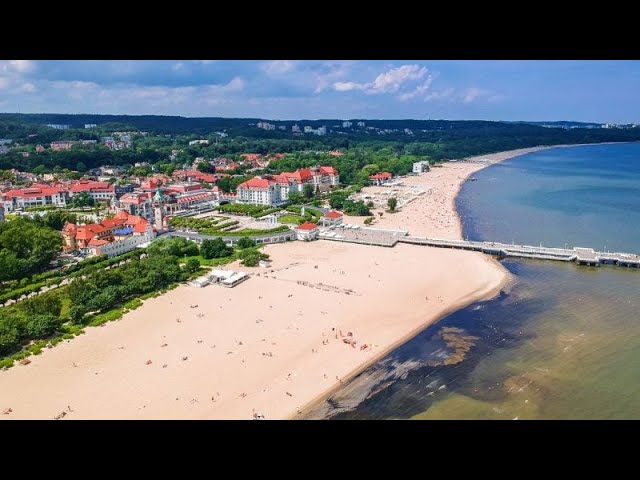
Planning a wellness break? Poland!

Studio Kremlin: creative co-working in Paris
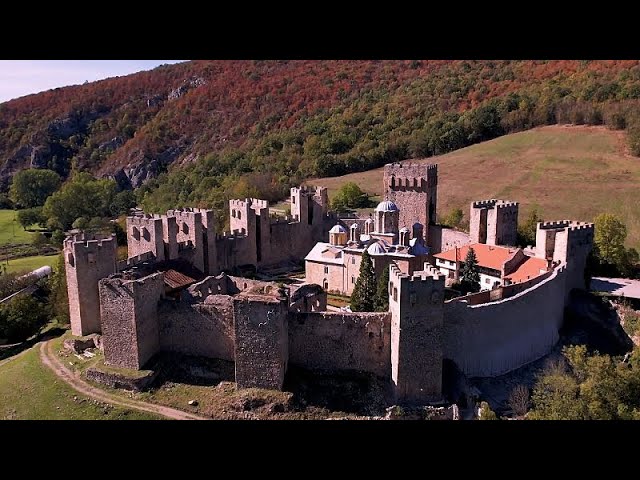
Culture: Serbia’s architectural marvels