-
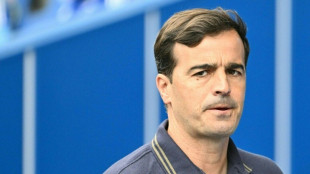 Martinez Novell replaces Hjulmand as Leverkusen coach
-
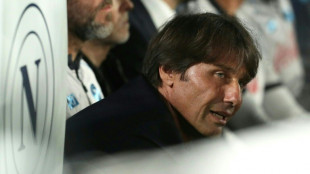
Napoli confirm Conte exit with Allegri tipped as new coach
-
 MEXC Tops New Contract Listings in CoinGecko's 2026 State of Crypto Perpetuals Report
-
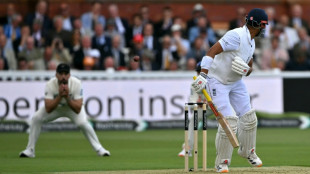
New Zealand dismiss England debutant Gay before rain halts 150th Lord's Test
-
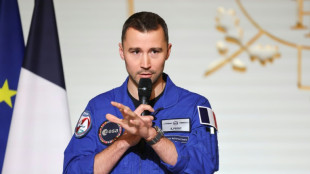 Vast astronaut mission kicks off commercial race to replace ISS
-
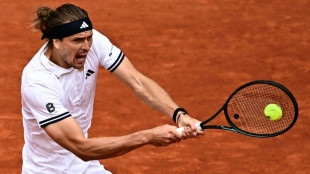
Zverev heads up final four in men's French Open semis
-
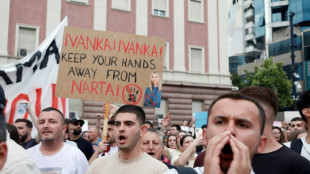 What we know about Kushner's project in Albania
-
Iran leader says dealt enemies 'decisive blow' in Mideast war
-
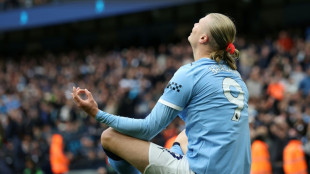 City weigh legal action after Real Madrid presidential hopeful targets Haaland
-
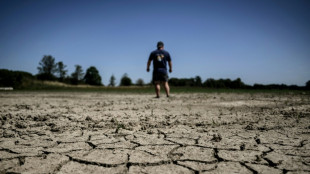
French pair propose new term to define 'environment'
-
 'Persepolis' author Marjane Satrapi dies aged 56
-
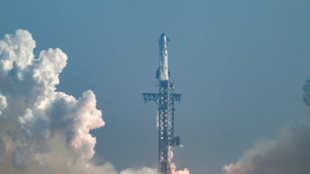
SpaceX seeks a record $75 bn in stock market debut
-
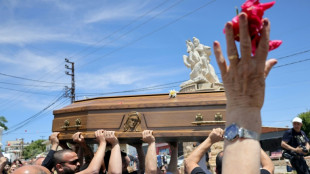 Israel strikes Lebanon after truce announcement
-
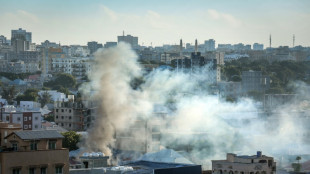
Somalia capital rocked by gunfire and fighting overnight
-
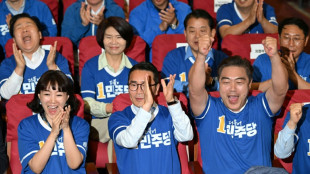 South Korea ruling party fails to flip Seoul in blemish on local poll results
-
South Africa's closed white enclave attracting Afrikaner youth
-
 Nigerian museum revamp brings treasures within reach
-
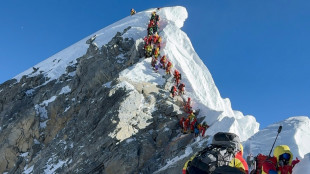
Nepali climber alive after six days missing on Everest
-
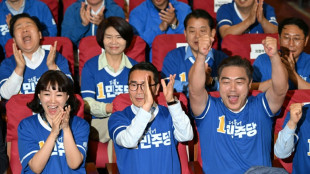 South Korea's ruling party fails to flip Seoul in blemish to local polls showing
-
Brunson vows no let up after Knicks comeback sinks Spurs

-
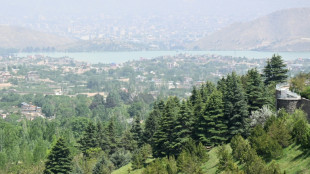 From poplars to pistachios, Afghans rediscover the value of trees
-
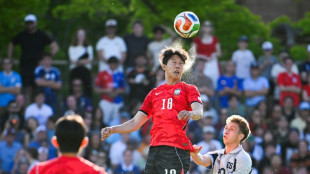
South Korea edge El Salvador 1-0 in final World Cup warm-up
-
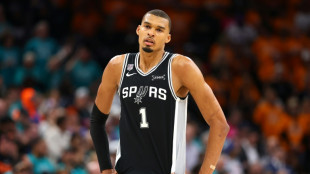 Wembanyama 'not worried' after Knicks stun Spurs in finals opener
-
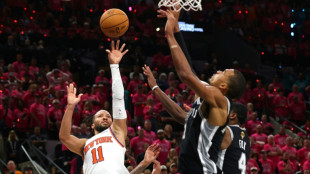
Knicks rally to beat Spurs in NBA Finals game-one thriller
-
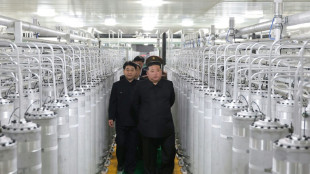 N. Korea's Kim vows 'exponential' boost in nuclear forces
-
Overtaken by Hong Kong in global wealth management, Swiss keep cool

-
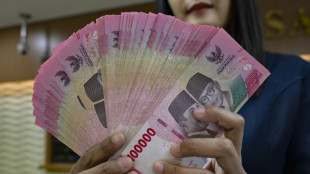 Indonesian rupiah falls to record low against US dollar
-
Stocks drop on AI, rate hike worries as Lebanon deal hits oil
-
 US House votes to curb Trump on Iran war as talks stall
-
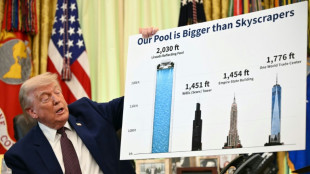
'Our pool is bigger than skyscrapers': Amid war, Trump touts Washington projects
-
 Ferrari tipped to end Antonelli's winning run
-
"I am from Bosnia" -- Bosnia's first World Cup success
-
 Brumbies battle the odds in Super Rugby playoff against Hurricanes
-
Morocco's dual-national scouting policy pays rich dividends
-
 Favourites keep apart in lead up to Tour de France
-
Ukraine strike kills 3 in Russian-occupied Crimea

-
 Fiji rejects Australian billionaire's 'Pacific ashtray' plan to ship, burn waste
-
In Peru's highlands, hopelessness shapes a bitter presidential runoff
-
 Tim Berners-Lee calls for AI to preserve 'original values' of web
-
China bans New Zealand lawmakers over Taiwan trip
-
 South Korean adoptees sue Denmark over right to know birth families
-
Show must go on for ballerinas in crisis-hit Cuba

-
 NBA 'on schedule' with Europe league plans: Silver
-
Plan to merge BBL's Melbourne teams sparks 'anxiety' for players
-
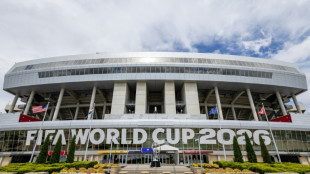 World Cup fans barred from bringing water bottles into stadia
-
Israel, Lebanon agree to conditional ceasefire
-
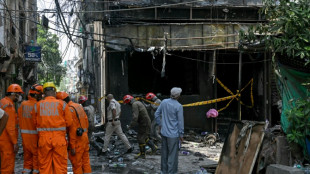 New Delhi hotel blaze kills 21, including foreigners
-
Bayeux Tapestry to be moved in secret to British Museum: minister
-
 Meta lashes Australia's bid to make tech giants pay for news
-
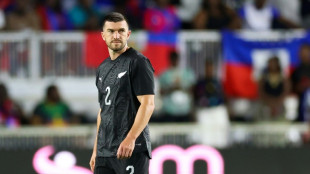
NZ football star meets influencer behind viral fame
Ukraine: Problem with the ceasefire?
As the war in Ukraine grinds towards its fourth year, a new proposal for a 30-day ceasefire has emerged from U.S. diplomatic circles, touted as a potential stepping stone to de-escalation. Russia's nefarious dictator and war criminal Vladimir Putin (72) has signalled cautious receptivity, provided the truce addresses the "root causes" of the conflict, while Ukrainian leaders remain wary. On the surface, a pause in hostilities offers a glimmer of relief for a war-weary population. Yet, beneath the diplomatic veneer, the proposed ceasefire is riddled with problems—strategic, political, and practical—that threaten to undermine its viability and, worse, exacerbate an already volatile situation.
A Temporary Fix with No Clear Endgame
The most glaring issue with the ceasefire is its brevity. At 30 days, it offers little more than a fleeting respite, unlikely to resolve the deep-seated issues fuelling the war. Russia’s demand to tackle "root causes"—a thinly veiled reference to its territorial ambitions and opposition to Ukraine’s NATO aspirations—clashes directly with Kyiv’s insistence on full sovereignty and the restoration of pre-2014 borders. Without a framework for meaningful negotiations, the ceasefire risks becoming a mere intermission, allowing both sides to regroup and rearm rather than pursue peace.
Historical precedent supports this scepticism. The Minsk agreements of 2014 and 2015, intended to halt fighting in eastern Ukraine, collapsed amid mutual accusations of bad faith. A short-term truce now, absent a robust enforcement mechanism or mutual trust, could follow a similar trajectory, leaving civilians to bear the brunt when hostilities inevitably resume.
The Strategic Dilemma for Ukraine
For Ukraine, the ceasefire poses a strategic conundrum. President Volodymyr Zelensky has spent years rallying domestic and international support around the mantra of "no concessions" to Russian aggression. Pausing the fight now, especially after the recent loss of territory in Russia’s Kursk region, could be perceived as a sign of weakness, emboldening Moscow and disheartening Kyiv’s allies. Ukrainian commanders, including Oleksandr Syrskii, have prioritised preserving troop strength, but a ceasefire might freeze their forces in disadvantageous positions, particularly along the eastern front, where Russia continues to press its advantage.
Moreover, the timing is suspect. The temporary suspension of U.S. intelligence support earlier this year left Ukraine reeling, and while that assistance has resumed, Kyiv remains on the back foot. A ceasefire now could lock in Russia’s recent gains, including reclaimed territory in Kursk, without guaranteeing reciprocal concessions. For a nation fighting for survival, this asymmetry is a bitter pill to swallow.
Russia’s Leverage and Bad Faith
On the Russian side, the ceasefire proposal raises questions of intent. Putin’s willingness to entertain a truce comes as his forces, bolstered by North Korean reinforcements, have regained momentum. The Kremlin may see the pause as an opportunity to consolidate control over occupied regions, reinforce supply lines, and prepare for a spring offensive—all while avoiding the political cost of appearing to reject peace outright. Moscow’s track record of violating ceasefires, from Donbas to Syria, fuels Ukrainian fears that any lull would be exploited rather than honoured.
The involvement of North Korean troops adds another layer of complexity. Their presence, a breach of international norms, has drawn muted criticism from Western powers, yet the ceasefire proposal does not explicitly address this escalation. Without mechanisms to monitor or reverse such foreign involvement, the truce risks legitimising Russia’s reliance on external support, further tilting the battlefield in its favour.
The Humanitarian Paradox
Proponents argue that a ceasefire would alleviate civilian suffering, particularly as winter tightens its grip on Ukraine’s battered infrastructure. Yet, this humanitarian promise is fraught with paradox. Russia has repeatedly targeted energy grids and civilian areas, a tactic likely to persist during any truce unless explicitly prohibited and enforced. A 30-day pause might allow limited aid delivery, but without guarantees of safety or a longer-term commitment, it could also delay the broader reconstruction Ukraine desperately needs.
For Ukrainian refugees and displaced persons—numbering in the millions—a temporary ceasefire offers no clarity on when, or if, they can return home. Meanwhile, Russian authorities in occupied territories have accelerated "Russification" efforts, including forced conscription and passportisation, which a short truce would do little to halt.
The Absence of Enforcement
Perhaps the most damning flaw is the lack of an enforcement mechanism. Who would monitor compliance? The United Nations, hamstrung by Russia’s Security Council veto, is ill-equipped to intervene. NATO, while supportive of Ukraine, has stopped short of direct involvement, and independent observers lack the authority to deter violations. Without a credible arbiter, the ceasefire hinges on goodwill—a commodity in short supply after years of bloodshed and broken promises.
A Fragile Hope Undermined by Reality
The proposed ceasefire reflects a well-intentioned but flawed attempt to pause a war that defies easy resolution. For Ukraine, it risks entrenching losses without securing gains; for Russia, it offers a chance to regroup under the guise of diplomacy. For both, it lacks the substance to bridge their irreconcilable aims. As the U.S. and its allies prepare to table the proposal, they must confront an uncomfortable truth: a truce that fails to address the conflict’s underlying drivers—or to enforce its terms—may do more harm than good, prolonging a war it seeks to pause.
In Kyiv, where resilience has become a way of life, the mood is one of cautious defiance. "We want peace," a senior Ukrainian official remarked this week, "but not at the cost of our future." Until the ceasefire’s proponents can answer that concern, its promise remains as fragile as the front lines it aims to still.
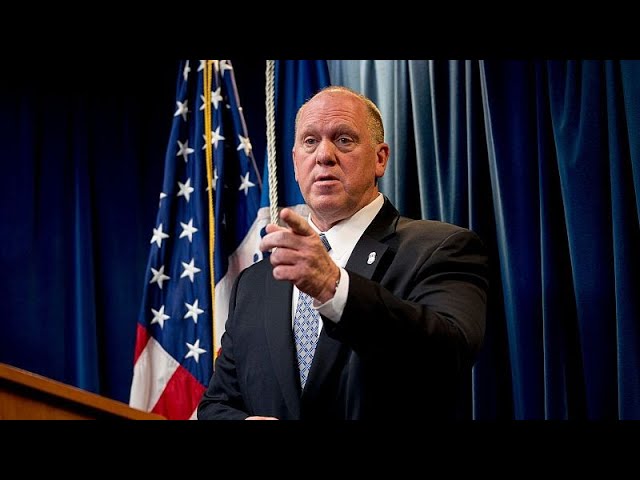
Trump announces Homan as new 'border czar'
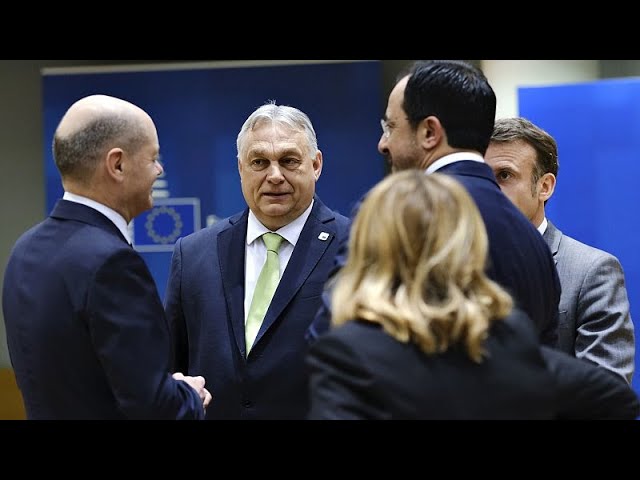
EU: How do we deal with Donald Trump?
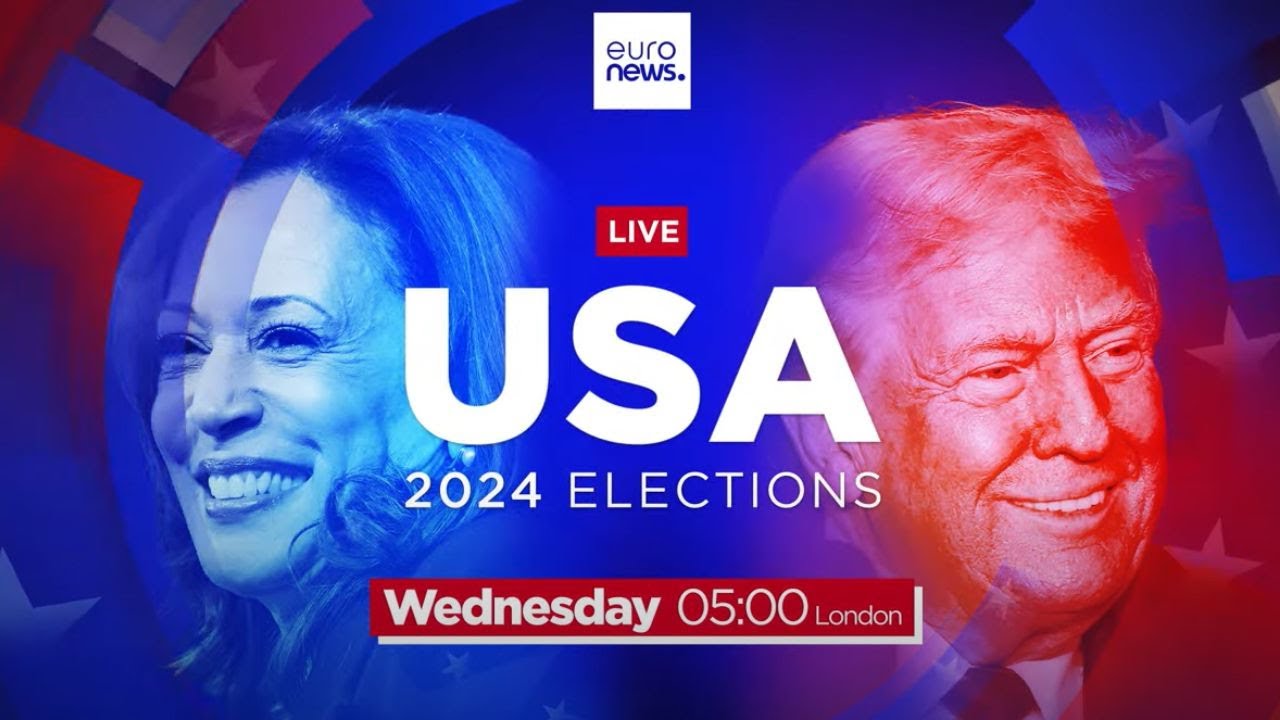
Watch Live: Trump or Harris? America votes!
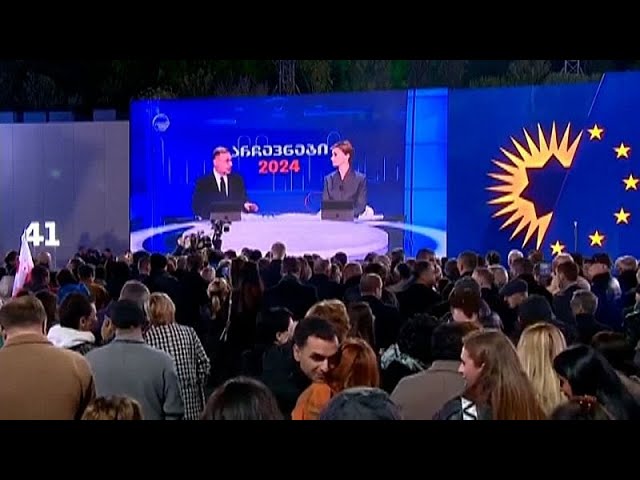
Georgia: Ruling party celebrates election victory

Asylum seekers: Return centres – a Solution?

Climate change: A farm in Rotterdam
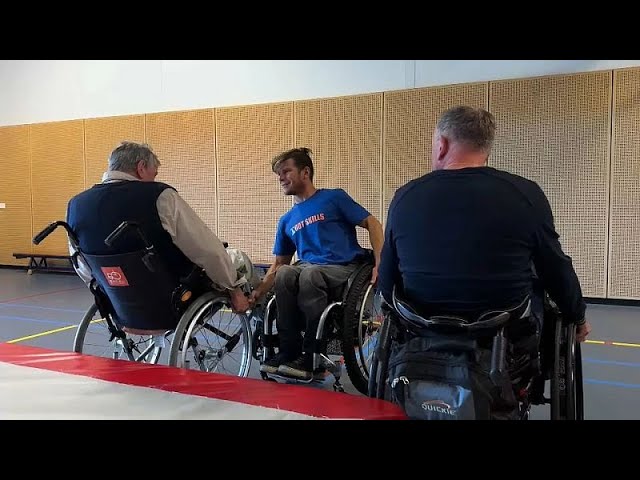
EU: Overcoming barriers to equality
Germany and its outdated pension system

How important is sustainable development?
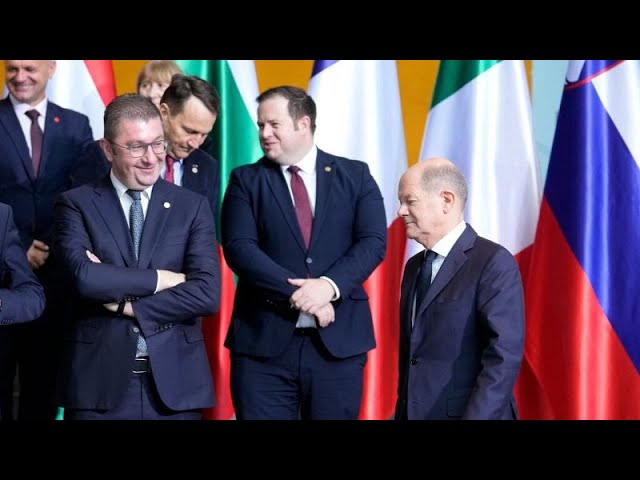
Berlin: EU-Summit of western Balkan heads of state
Putin's War Will Go Bankrupt if the Oil Prices Drop